
A/C Accumulator / Receiver Drier
| Image | Title | Brand | Part # | Position | Fitment | Price | Availability | Actions | Image | Product | Price |
|---|---|---|---|---|---|---|---|---|---|---|---|
 |
A/C Accumulator
|

|
0233704 | - | - | $37.73 | In Stock | |
A/C Accumulator
0233704
|
$37.73 | |
 |
A/C Accumulator
|
|
0210043 | - | - | $26.98 | In Stock | |
A/C Accumulator
0210043
|
$26.98 | |
 |
A/C AccumulatorAccumulator
|

|
33203 | - | - | $41.28 | In Stock | |
A/C Accumulator
Accumulator33203
|
$41.28 | |
 |
A/C Accumulator
|
|
0283003 | - | - | $27.26 | In Stock | |
A/C Accumulator
0283003
|
$27.26 | |
 |
A/C Accumulator
|
|
0233412 | - | - | $27.36 | In Stock | |
A/C Accumulator
0233412
|
$27.36 | |
 |
A/C Accumulator
|
|
0210125 | - | - | $33.46 | In Stock | |
A/C Accumulator
0210125
|
$33.46 | |
 |
A/C Accumulator
|
|
0233183 | - | - | $35.49 | In Stock | |
A/C Accumulator
0233183
|
$35.49 | |
 |
A/C Accumulator
|
|
0233109 | - | - | $36.96 | In Stock | |
A/C Accumulator
0233109
|
$36.96 | |
 |
A/C Accumulator
|
|
0233140 | - | - | $35.45 | In Stock | |
A/C Accumulator
0233140
|
$35.45 | |
 |
A/C Accumulator
|
|
0210056 | - | - | $30.51 | In Stock | |
A/C Accumulator
0210056
|
$30.51 | |
 |
A/C AccumulatorAccumulator
|
|
33103 | - | - | $37.51 | In Stock | |
A/C Accumulator
Accumulator33103
|
$37.51 | |
 |
A/C Receiver DrierFilter Drier
|
|
83255 | - | - | $36.05 | In Stock | |
A/C Receiver Drier
Filter Drier83255
|
$36.05 | |
 |
A/C Accumulator
|
|
0210136 | - | - | $51.25 | In Stock | |
A/C Accumulator
0210136
|
$51.25 | |
 |
A/C Accumulator
|
|
0210133 | - | - | $36.92 | In Stock | |
A/C Accumulator
0210133
|
$36.92 | |
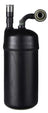 |
A/C Accumulator
|
|
0233094 | - | - | $30.83 | In Stock | |
A/C Accumulator
0233094
|
$30.83 | |
 |
A/C Accumulator
|
|
0210119 | - | - | $39.35 | In Stock | |
A/C Accumulator
0210119
|
$39.35 | |
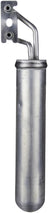 |
A/C Accumulator
|
|
0210092 | - | - | $26.67 | In Stock | |
A/C Accumulator
0210092
|
$26.67 | |
 |
A/C Accumulator
|
|
0210098 | - | - | $26.83 | In Stock | |
A/C Accumulator
0210098
|
$26.83 | |
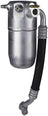 |
A/C Accumulator
|
|
0210066 | - | - | $49.93 | In Stock | |
A/C Accumulator
0210066
|
$49.93 | |
 |
A/C Accumulator
|
|
0283014 | - | - | $43.51 | In Stock | |
A/C Accumulator
0283014
|
$43.51 | |
 |
A/C Accumulator
|
|
0210135 | - | - | $29.65 | In Stock | |
A/C Accumulator
0210135
|
$29.65 | |
 |
A/C Receiver Drier with Hose AssemblyFilter Drier
|
|
83110 | - | - | $62.72 | In Stock | |
A/C Receiver Drier with Hose Assembly
Filter Drier83110
|
$62.72 | |
 |
A/C Accumulator
|
|
0283021 | - | - | $47.28 | In Stock | |
A/C Accumulator
0283021
|
$47.28 | |
 |
A/C Accumulator
|
|
0210011 | - | - | $36.56 | In Stock | |
A/C Accumulator
0210011
|
$36.56 | |
 |
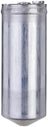
A/C Receiver Drier / Desiccant ElementDessicant Bag Kit
|
|
83397 | - | - | $21.86 | In Stock | |
A/C Receiver Drier / Desiccant Element
Dessicant Bag Kit83397
|
$21.86 | |
 |
A/C Accumulator
|
|
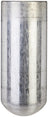
0233595 | - | - | $26.01 | In Stock | |
A/C Accumulator
0233595
|
$26.01 | |
 |
A/C Accumulator
|
|
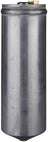
0210040 | - | - | $29.23 | In Stock | |
A/C Accumulator
0210040
|
$29.23 | |
 |
A/C Accumulator
|
|
0210032 | - | - | $27.90 | In Stock | |
A/C Accumulator
0210032
|
$27.90 | |
 |
A/C Accumulator
|
|
0233209 | - | - | $30.69 | In Stock | |
A/C Accumulator
0233209
|
$30.69 | |
 |
A/C Accumulator
|
|
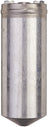
0210140 | - | - | $28.98 | In Stock | |
A/C Accumulator
0210140
|
$28.98 | |
 |
A/C Accumulator
|
|
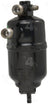
0210088 | - | - | $24.38 | In Stock | |
A/C Accumulator
0210088
|
$24.38 | |
 |
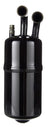
A/C Receiver DrierFilter Drier
|
|
33433 | - | - | $37.77 | In Stock | |
A/C Receiver Drier
Filter Drier33433
|
$37.77 | |
 |
A/C Accumulator
|
|
0210095 | - | - | $40.02 | In Stock | |
A/C Accumulator
0210095
|
$40.02 | |
 |
A/C Accumulator
|
|
0283022 | - | - | $55.46 | In Stock | |
A/C Accumulator
0283022
|
$55.46 | |
 |
A/C AccumulatorAccumulator
|
|
83107 | - | - | $46.95 | In Stock | |
A/C Accumulator
Accumulator83107
|
$46.95 | |
 |
A/C Accumulator
|
|
0210157 | - | - | $54.73 | In Stock | |
A/C Accumulator
0210157
|
$54.73 | |
 |
A/C Receiver DrierFilter Drier
|
|
33560 | - | - | $35.49 | In Stock | |
A/C Receiver Drier
Filter Drier33560
|
$35.49 | |
 |
A/C Receiver DrierFilter Drier
|
|
33562 | - | - | $34.02 | In Stock | |
A/C Receiver Drier
Filter Drier33562
|
$34.02 | |
 |
A/C Accumulator
|
|
0283015 | - | - | $59.51 | In Stock | |
A/C Accumulator
0283015
|
$59.51 | |
 |
A/C Accumulator
|
|
0233598 | - | - | $18.60 | In Stock | |
A/C Accumulator
0233598
|
$18.60 | |
 |
A/C Accumulator
|
|
0210139 | - | - | $56.49 | In Stock | |
A/C Accumulator
0210139
|
$56.49 | |
 |
A/C Accumulator
|
|
0210071 | - | - | $43.87 | In Stock | |
A/C Accumulator
0210071
|
$43.87 | |
 |
A/C Accumulator
|
|
0233574 | - | - | $29.73 | In Stock | |
A/C Accumulator
0233574
|
$29.73 | |
 |
A/C Accumulator
|
|
0233058 | - | - | $53.75 | In Stock | |
A/C Accumulator
0233058
|
$53.75 | |
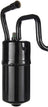 |
A/C Accumulator
|
|
0210100 | - | - | $64.54 | In Stock | |
A/C Accumulator
0210100
|
$64.54 | |
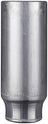 |
A/C Accumulator
|
|
0283104 | - | - | $21.67 | In Stock | |
A/C Accumulator
0283104
|
$21.67 | |
 |
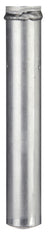
A/C Receiver DrierFilter Drier
|
|
83133 | - | - | $25.83 | In Stock | |
A/C Receiver Drier
Filter Drier83133
|
$25.83 | |
 |
A/C Accumulator
|
|
0283213 | - | - | $33.59 | In Stock | |
A/C Accumulator
0283213
|
$33.59 |
More Information
The A/C accumulator and receiver drier are the moisture management components of your air conditioning system. The receiver drier (found on systems with a thermal expansion valve) filters refrigerant and traps moisture using a desiccant bag; the accumulator (found on orifice tube systems) does the same job on the low-pressure side while also preventing liquid refrigerant from reaching the compressor. Both have a finite lifespan — the desiccant saturates over time and loses effectiveness. Industry standard is to replace either component any time the system is opened for service, or every 3–5 years as preventive maintenance. When shopping, verify whether your system uses R-134a or R-1234yf, as desiccant formulation differs. OEM units guarantee exact fitment; quality aftermarket brands like UAC, Four Seasons, and Spectra Premium offer solid alternatives at lower cost. For receiver drier kits and desiccant element kits, confirm the O-ring and filter kit contents match your system's fittings before ordering.
Signs you need replacement
- Weak or warm airflow after a recharge. If the system loses cooling performance shortly after being recharged with refrigerant, a saturated desiccant is likely allowing moisture to circulate and degrade system efficiency.
- Rattling or hissing from the accumulator or drier canister. A broken desiccant bag inside the housing can send loose granules into the refrigerant circuit, which can damage the compressor and expansion valve.
- Visible oil staining or frost on the drier body. External oiling indicates a slow refrigerant leak at the fittings; frost on the accumulator can signal a restriction caused by a clogged internal filter screen.
- A/C compressor was replaced or the system was opened. Any time the refrigerant circuit is opened to atmosphere — even briefly — the desiccant absorbs ambient humidity. Replacing the drier or accumulator at the same time is standard practice and protects the new compressor.
- System has sat unserviced for 3 or more years. Even in a closed system, desiccant degrades with age. On high-mileage or older vehicles, a proactive replacement is cheaper than a compressor failure caused by moisture-induced acid formation.
Frequently asked questions
- Do I have to replace the receiver drier or accumulator every time I open the A/C system? Yes — this is the industry-standard recommendation, not just a upsell. Once the system is open, the desiccant begins absorbing moisture within minutes. Reusing a saturated desiccant puts the compressor at risk from corrosion and refrigerant contamination, often voiding compressor warranties if not replaced.
- Is an aftermarket accumulator or receiver drier as reliable as OEM? For most applications, yes. Brands like UAC (Universal Air Conditioner) and Four Seasons manufacture to OEM specifications and are widely used by independent shops. Stick with OEM on vehicles with R-1234yf systems or factory-integrated drier/condenser assemblies, where fitment tolerances are tighter and desiccant compatibility is more critical.
- What else should I replace at the same time as the accumulator or receiver drier? At minimum, replace the O-rings and orifice tube (on orifice tube systems) or the expansion valve (on TXV systems). If the old drier showed signs of desiccant breakdown, flush the refrigerant lines and inspect the compressor. Budget $150–$400 for parts total; adding a drier to a compressor replacement job adds roughly $30–$80 to the repair.