
Select your vehicle
Alignment
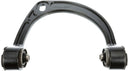




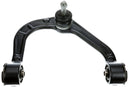
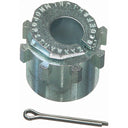

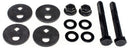
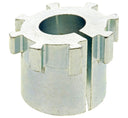
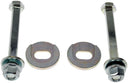
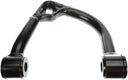


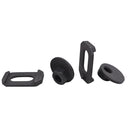
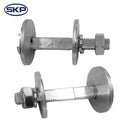

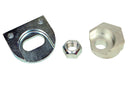
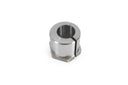

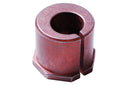
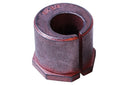
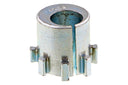
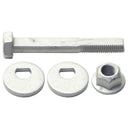
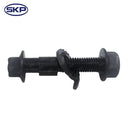
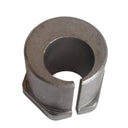
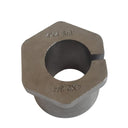
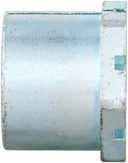
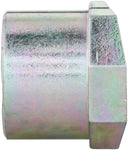
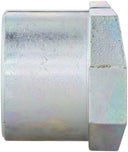
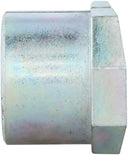
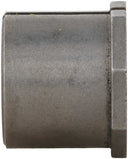
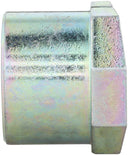
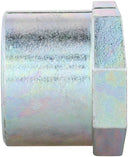
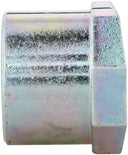
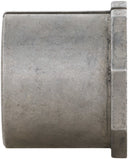
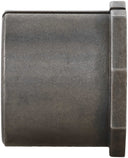
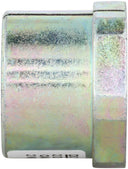
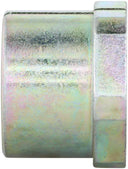
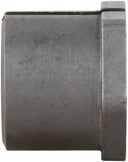
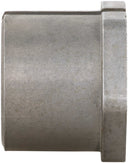
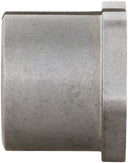
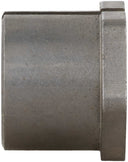
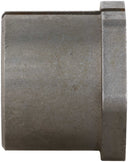
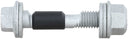
Alignment parts control the angles at which your tires contact the road - camber (inward/outward tilt), caster (steering axis angle), and toe (pointing in or out). When these angles drift out of spec, you get uneven tire wear, pulling, and handling problems that no amount of wheel balancing will fix. These parts typically need attention after suspension work, a hard impact, or when wear in bushings and links allows geometry to shift. The 209 products here cover everything from simple eccentric cam bolts and adjustment bushings to full camber kits and lateral links - the right solution depends on your platform. OEM-spec replacements restore factory geometry; adjustable aftermarket kits (common on lowered or track-driven vehicles) let you dial in custom settings. Always confirm fitment by submodel and year - a camber kit for a RWD variant often won't fit the AWD version of the same car.
Signs you need replacement
- Uneven or accelerated tire wear. Feathering across the tread points to toe issues; excessive wear on one edge of the tire usually indicates camber is out of range - both destroy tires fast and signal that alignment-adjusting hardware needs inspection.
- Vehicle pulls consistently to one side. If you hold the wheel straight and the car drifts left or right on a flat road, caster or camber asymmetry between sides is the likely cause, often from a worn bushing or bent lateral link.
- Steering wheel is off-center on a straight road. A crooked wheel at center usually means toe is out of spec - frequently caused by a worn toe arm, stretched adjustment sleeve, or a lateral link that's shifted position.
- Handling feels vague or the car wanders at highway speed. Low caster reduces straight-line stability and steering returnability. If the car feels disconnected after suspension work or a front-end impact, caster adjustment or a caster kit may be needed.
- Clunking or knocking over bumps near the front or rear corners. Failed alignment bushings - the rubber-to-metal inserts that hold cam bolts and eccentric adjusters in place - develop slop before they completely let go, allowing geometry to shift dynamically under load.
- Alignment won't hold after a fresh shop visit. If your angles drift back out of spec within a few thousand miles, a worn adjustment bushing, cam bolt, or lateral link is likely allowing movement that no alignment machine can compensate for permanently.
Frequently asked questions
- How often do alignment adjustment parts actually need to be replaced? There's no fixed interval - these parts wear in response to road conditions, driving style, and suspension design. Inspect alignment hardware whenever you do major suspension work, after any significant impact, or if your alignment goes out of spec twice within 12,000 miles without an obvious cause like a pothole hit.
- Should I use OEM replacement hardware or an adjustable aftermarket camber/caster kit? OEM-spec parts are the right call on stock-height daily drivers - they restore factory geometry and require no special setup. Adjustable kits (eccentric cam bolts, slotted plates, adjustable lateral links) are worth it on lowered vehicles where factory suspension geometry has shifted, or on track cars where you're intentionally running negative camber.
- What does a camber or caster kit cost, and do I need a shop to install it? Parts typically run $30–$150 for cam bolt or bushing kits; adjustable lateral links and camber plates range $80–$300 depending on vehicle and brand. Installation is DIY-friendly for cam bolts and eccentric bushings - basic hand tools and a torque wrench are enough - but you'll still need a professional alignment afterward to set and verify the final angles.