
Select your vehicle
Hardware, Fasteners and Fittings


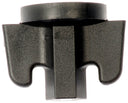


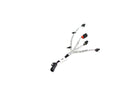


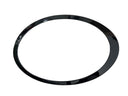

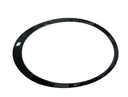




Electrical and lighting hardware keeps your headlights aimed correctly, your wiring harness routed cleanly, and your lighting assemblies sealed and secured. This collection covers the small but critical fasteners, retainers, clips, and fittings that hold it all together - headlight adjusting screws, bulb retainers, wiring harness clips, tail light retainer clips, and more. These parts fail through UV degradation, vibration fatigue, and heat cycling, and a single broken retainer can cause a headlight assembly to rattle loose or a wiring harness to chafe through its insulation. When buying, prioritize OEM-spec plastic grades and thread dimensions - a headlight adjusting screw with the wrong thread pitch won't hold calibration, and a generic wiring clip that's even slightly undersized will pop loose over road vibration. For retainers and caps specific to sealed-beam or projector housings, verify fitment by year, make, model, and trim, since manufacturers often change hardware specs mid-generation.
Signs you need replacement
- Headlights are misaligned or won't hold adjustment - if your low beams drift down or cant sideways after you've aimed them, a worn or stripped headlight adjusting screw is the most common cause.
- Headlight assembly rattles or shifts in the housing - a broken headlight retainer or retaining ring lets the assembly move under vibration, which also breaks the weatherproof seal and invites moisture ingress.
- Wiring harness chafing, intermittent shorts, or exposed insulation - missing or cracked body wiring harness clips allow harnesses to contact sharp sheet metal edges, leading to insulation wear and electrical faults.
- Bulb fails repeatedly or socket shows heat damage - a degraded headlight bulb retainer or bulb cap that no longer seats fully can allow micro-arcing and excess heat at the socket.
- Turn signal operates intermittently or stays on - a fatigued turn signal cam retainer spring can prevent the canceling mechanism from resetting properly after a turn.
- Trailer hitch plug is cracked, missing, or corroded - an unsealed hitch receiver invites rust and debris into the receiver tube, making future hitch installation difficult and potentially voiding corrosion warranties.
Frequently asked questions
- How often do headlight adjusting screws and retainers need to be replaced? There's no fixed interval - these are typically replaced when damaged or when you remove a headlight assembly for bulb service or collision repair. Plastic adjusting screws and retainers are consumables; plan to replace them any time a headlight assembly comes out, since they're inexpensive and brittle plastic rarely survives a second removal.
- Are OEM headlight retainers and clips worth it over aftermarket? For retainers and adjusting screws, OEM or OEM-equivalent parts are usually the better call. The plastic formulations are matched to the thermal environment of your specific housing, and thread geometry is exact. Budget aftermarket clips and screws are often made from inferior polymer blends that crack prematurely - for parts under $5–$15, the cost difference rarely justifies the risk.
- What does this hardware typically cost, and is it a DIY job? Individual retainers, clips, and screws generally run $2–$20 per piece; a CAN adapter or window motor gear plug may reach $25–$50. Most of this hardware installs with basic hand tools in under 30 minutes. When replacing a headlight retainer or adjusting screw, it's smart to replace all retainers on that assembly at the same time to avoid a return trip.