
Select your vehicle
Hardware, Fasteners and Fittings
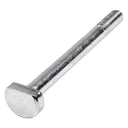


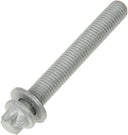

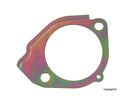


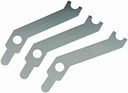

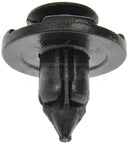
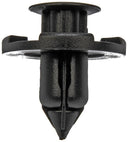
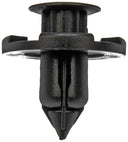
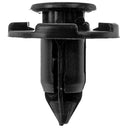
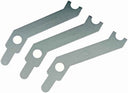
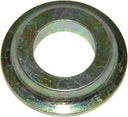

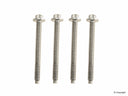
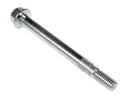
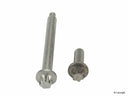
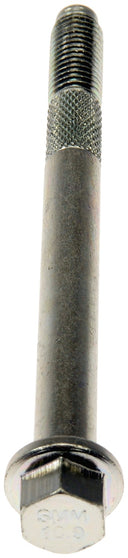
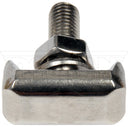


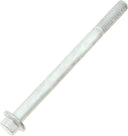
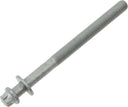


The bolts, terminals, and small hardware holding your charging and starting system together take a beating from heat cycling, vibration, and corrosion - and when they fail, the consequences go beyond a loose connection. A stretched alternator bolt can let the alternator shift under load, throwing belt alignment. A corroded battery terminal bolt or loose hold-down bolt causes resistance that mimics a dying battery. The generator brush spring controls brush pressure against the slip rings; a weak or broken spring causes erratic charging output before full alternator failure. When replacing, match thread pitch and grade - most alternator and starter bolts are metric and torque-sensitive, so substituting a hardware-store equivalent risks stripping or under-clamping. OEM fasteners are the safest bet for torque-spec compliance, but quality aftermarket options from brands like Dorman work well when the grade markings match. Always check your service manual torque values; these are not finger-tight applications.
Signs you need replacement
- Alternator or starter shifts or vibrates during operation. If the unit feels loose or you can see movement under the hood, inspect the mounting bolts for stretch, stripping, or thread damage - a bolt that's been over-torqued once may not clamp reliably again.
- Battery voltage drops or fluctuates despite a healthy battery and alternator. A loose or corroded battery terminal bolt creates resistance at the connection point, producing voltage readings that look like a failing battery or charging system when the real issue is the fastener itself.
- Battery shifts or rocks in the tray during acceleration or braking. A worn, corroded, or missing battery hold-down bolt lets the battery move, which can crack the case, stress the cables, and disconnect the terminal under load.
- Intermittent charging output or erratic voltage gauge readings. A weak generator brush spring fails to maintain consistent contact pressure against the rotor slip rings, causing the alternator to charge inconsistently - often mistaken for a failing voltage regulator.
- Terminal adjuster no longer tightens or clamps securely. Battery cable terminal adjusters stripped or cracked from overtightening lose their ability to maintain a firm connection, leading to hard starts and electrical gremlins even with a fully charged battery.
- Rust or white corrosion visible on bolt heads or terminal hardware. Surface corrosion on fasteners in the charging circuit increases resistance and accelerates further deterioration - if the hardware is pitted or the threads are compromised, replacement is cheaper than diagnosing the downstream electrical faults it causes.
Frequently asked questions
- Do alternator and starter bolts need to be replaced every time the unit is removed? Most manufacturers recommend replacing stretch-to-yield fasteners anytime they're removed, since they're designed for a single torque cycle. Standard hex bolts can typically be reused if threads are clean and undamaged, but inspect carefully - corroded or galled threads are reason enough to swap them out while you have the unit off.
- Are OEM alternator bolts worth it over aftermarket, or is any grade-matched bolt acceptable? OEM bolts guarantee the correct grade, thread pitch, and length for your application without any guesswork. Quality aftermarket fasteners from brands like Dorman are a reliable alternative when grade-marked and spec-matched to your service manual. Avoid generic hardware store bolts - unknown tensile strength and inconsistent coatings make them a liability in a vibration-heavy environment.
- What else should I replace when swapping a battery terminal bolt or cable terminal adjuster? It's good practice to inspect and clean the terminal clamp and cable end at the same time. If the cable shows cracking, green corrosion inside the insulation, or reduced flexibility near the terminal, replace the full cable while everything is apart. Terminal bolts and adjusters cost under $10, making the labor to return later far more expensive than doing it all at once.