
Select your vehicle
Control Modules


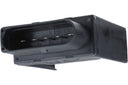

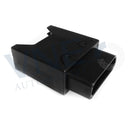


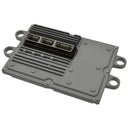
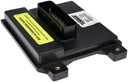

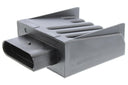
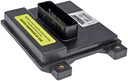
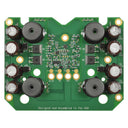
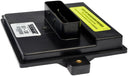
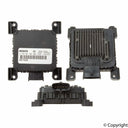


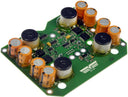
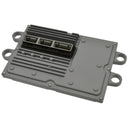


Fuel injector control modules and fuel pump control modules are the electronic brains behind your engine's fuel delivery system. The injector control module precisely times and regulates voltage signals to each fuel injector, while the fuel pump control module manages pump speed and pressure in returnless fuel systems - a design common on Ford, GM, and many European platforms from the mid-2000s onward. These modules don't follow a fixed replacement schedule; they typically fail due to heat cycling, moisture intrusion, or internal transistor failure. Symptoms usually appear suddenly rather than gradually. When buying, confirm the part number against your vehicle's VIN-specific calibration - many modules are not interchangeable between trim levels or engine variants even within the same model year. OEM units are the safer choice for emissions-critical or turbocharged applications; quality aftermarket options from Standard Motor Products or Dorman are viable for naturally aspirated daily drivers and offer significant cost savings.
Signs you need replacement
- Engine misfires or rough idle with no injector fault codes: If individual injectors test clean but the engine still misfires, the control module may be sending erratic or missing trigger signals to one or more injectors.
- Hard start or no-start condition with fuel pressure present: When the fuel rail holds pressure but the engine won't fire, a failed injector control module is a likely cause - the injectors receive no command to open.
- Sudden drop in fuel economy without a change in driving conditions: A module stuck sending long injector pulse widths will over-fuel the engine, showing up as poor MPG, black exhaust smoke, or a strong fuel smell from the tailpipe.
- Fuel pump runs constantly or won't shut off after key-off: A failing fuel pump control module can lose its speed regulation or relay logic, causing the pump to run at full voltage continuously rather than modulating to demand.
- Check engine light with codes P0200–P0209 or U-series communication codes: Injector circuit malfunction codes paired with network communication faults often point to the control module rather than individual injectors or wiring.
Frequently asked questions
- Do fuel injector control modules need to be programmed after replacement? It depends on the platform. Most domestic applications - particularly Ford EEC and GM systems - require the replacement module to be programmed or flashed to the vehicle's VIN using a J2534-compatible scan tool or dealer equipment. Some Dorman remanufactured units come pre-programmed for specific applications; always verify before ordering.
- Is an OEM fuel pump control module worth the extra cost over aftermarket? For vehicles with returnless fuel systems that modulate pump speed electronically - common on 2005–2015 Ford F-150s and many GM trucks - OEM or a reputable remanufactured unit is strongly recommended. Poor-quality aftermarket modules have been linked to premature fuel pump wear from incorrect voltage regulation, which can turn a $80 module failure into a $400 pump replacement.
- What does a fuel injector control module replacement typically cost, and can I do it myself? Parts range from $85–$350 depending on make and module complexity; dealer labor adds $75–$150. The physical swap is straightforward - typically a bolted bracket and multi-pin connector - but programming requirements make this a job for shops with scan tool access unless you're buying a pre-programmed unit confirmed to fit your exact vehicle.