
Select your vehicle
Electrical Connectors


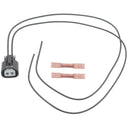

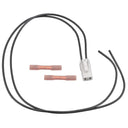


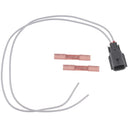


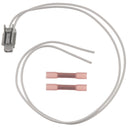
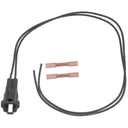
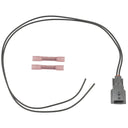
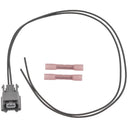
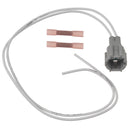
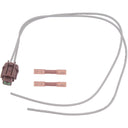
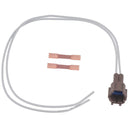
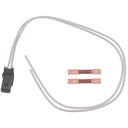
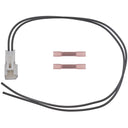
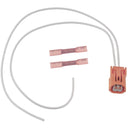


Brake electrical connectors are the link between your vehicle's sensors, modules, and wiring harness - and when they fail, the entire electronic braking system loses reliable signal. This collection covers 27 connectors across 12 part types, including ABS wheel speed sensor connectors, ABS pump and modulator connectors, brake fluid level and pressure sensor connectors, brake pedal position sensor connectors, and parking brake switch connectors. These components fail most often from heat cycling, road salt corrosion, chafing against chassis components, or a single clumsy tug during a brake job. When buying, prioritize connectors that match the OEM terminal count, wire gauge, and locking tab design exactly - a close-fit aftermarket connector that doesn't seat fully will trigger the same fault codes as the damaged one you're replacing. For ABS wheel speed and control module connectors especially, confirm fitment by make, model, year, and trim before ordering.
Signs you need replacement
- ABS warning light stays on after clearing codes. If the ABS or traction control light returns with a wheel speed sensor or module fault code, inspect the connector at that corner or component before replacing the sensor itself - a corroded or cracked connector is frequently the actual cause.
- Brake fluid warning light illuminates with a full reservoir. The brake fluid level sensor connector sits at the reservoir cap; corrosion or a broken lock tab causes an intermittent or false low-fluid signal even when fluid level is correct.
- Erratic or absent ABS activation during hard stops. A failing ABS pump or modulator sensor connector can cause the system to engage unpredictably or not at all, which may also trigger a stability control fault.
- Soft or inconsistent brake pedal feel on vehicles with electronic brake boost. Power brake booster pump and sensor connectors that have lost continuity can reduce or eliminate power assist, making the pedal feel heavy and unpredictable.
- Visible damage at the connector body or terminals. Melted plastic from exhaust heat, green or white corrosion on terminals, or a broken locking clip are all cause for immediate replacement - a damaged connector won't hold a reliable connection under vibration.
- Fault codes returning after replacing a sensor. If a new ABS sensor or brake pressure sensor still throws a code, the connector pigtail is the next logical suspect, particularly on high-mileage vehicles or those in rust-belt climates.
Frequently asked questions
- Do brake electrical connectors have a set replacement interval? There's no fixed mileage interval - these are replace-on-failure or replace-on-inspection parts. In practice, connectors on vehicles over 100,000 miles or 8–10 years old in high-humidity or road-salt environments are statistically more likely to show corrosion or brittle plastic, so inspect them any time you're in the area for a brake service.
- Are aftermarket brake connectors as reliable as OEM? Quality varies significantly. Better aftermarket connectors use nylon 66 housings and tin- or gold-plated terminals that match OEM specs; cheaper ones use lower-grade plastic that becomes brittle faster. For ABS control module and wheel speed sensor connectors - where a loose connection causes a fault code - it's worth paying for an OEM or OEM-equivalent pigtail connector rather than a generic substitute.
- What does it cost to replace a brake electrical connector, and can I do it myself? Individual connector pigtails typically run $8–$35 depending on type and terminal count; full harness connectors can reach $50–$80. Replacement is DIY-friendly for most connectors - the repair usually involves cutting back the damaged pigtail, splicing in the new connector with heat-shrink solder connectors, and routing it clear of heat sources. Budget 30–60 minutes per connector.