
Select your vehicle
Glass, Windows and Related Components
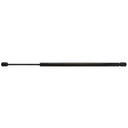

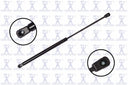


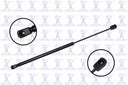


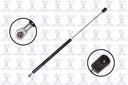
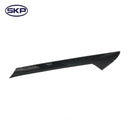

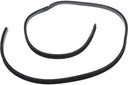
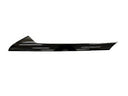

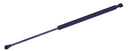


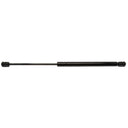


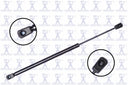
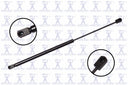

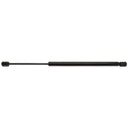


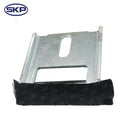

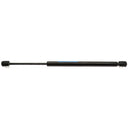


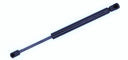


This collection covers the hardware and structural components that keep your vehicle's glass panels operating correctly and sealed in place. The bulk of the 306 parts here are back glass lift supports - the gas-charged struts that hold your hatchback, SUV liftgate, or rear window open while you load cargo. These typically last 5–10 years before the nitrogen charge bleeds out and they can no longer hold weight. The remaining parts - window guides, channels, latches, attaching clips, and windshield trim - are the smaller but critical pieces that control how door and vent glass travels, seals, and locks. When buying lift supports, match the extended and compressed length and the Newton force rating to your OEM spec; an undersized strut will drift shut, an oversized one can stress the glass or hinge. For guides and channels, rubber durometer and exact channel dimensions matter more than brand.
Signs you need replacement
- Liftgate or rear hatch slowly drifts down after you open it - the classic sign of a worn back glass lift support that's lost gas pressure and can no longer hold the rated load.
- Rear window or hatch slams shut suddenly rather than lowering gradually, indicating a support has failed completely and provides no dampening resistance.
- Door glass drops, rattles, or sits at an angle in the door frame - often caused by a cracked window guide, failed attaching clip, or degraded window channel that's no longer holding the glass on track.
- Vent or sliding window won't stay latched shut, letting in wind noise, water, or rattling at highway speed - the latch mechanism is worn or the striker is misaligned.
- Whistling or wind noise from the windshield area at speed can point to deteriorated windshield post trim that's no longer creating a proper seal between the A-pillar and glass edge.
- Visible rust, cracking, or collapsed rubber on a window channel or guide - even without functional symptoms yet, degraded rubber accelerates glass wear and can allow water intrusion into the door.
Frequently asked questions
- How long do back glass lift supports last, and do they need to be replaced in pairs? Most lift supports last 5–10 years or 80,000–120,000 miles depending on climate and use frequency. Always replace both supports at the same time - if one has failed, the other is under the same stress and is close behind. Mismatched support strength will cause uneven lift and can strain the hinge or glass.
- Are aftermarket lift supports as reliable as OEM, and what specs should I check? Quality aftermarket supports from brands like Stabilus, Suspa, or StrongArm are generally comparable to OEM and often cost 40–60% less. The critical specs are extended length, compressed length, and force rating in Newtons - these must match your application. Avoid no-name units with unspecified force ratings; an incorrect force value is the most common cause of early failure or poor fitment.
- What does back glass lift support replacement cost, and is it a reasonable DIY job? Parts run roughly $15–$45 per strut for aftermarket, $40–$90 each for OEM. Most hatchback and SUV applications are straightforward 15–30 minute DIY jobs requiring only a trim tool and possibly a socket - no special tools needed. On some luxury SUVs with power liftgates, a calibration reset via scan tool may be required after replacement.