
Select your vehicle
Exhaust Manifolds
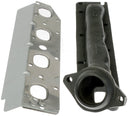

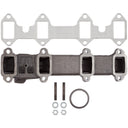


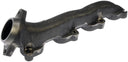
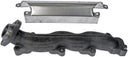
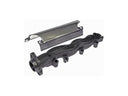
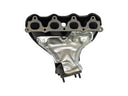
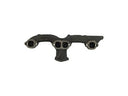
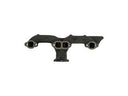
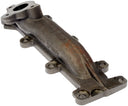
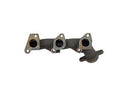
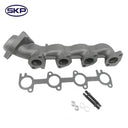

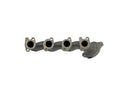


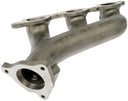
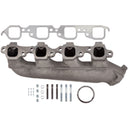
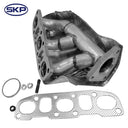
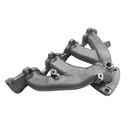
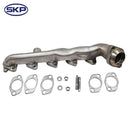
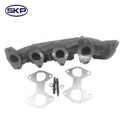
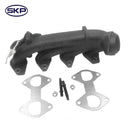
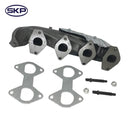
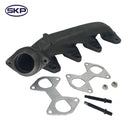
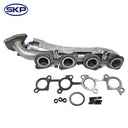
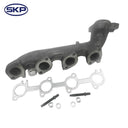
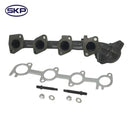
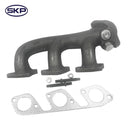
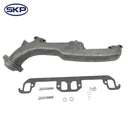
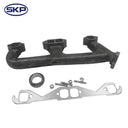
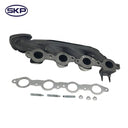
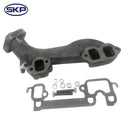
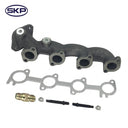
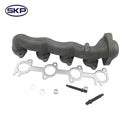
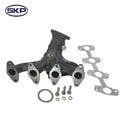
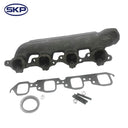
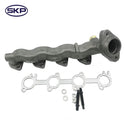
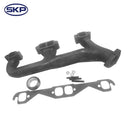
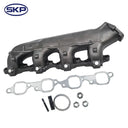
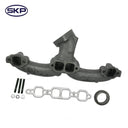
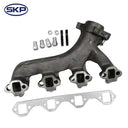
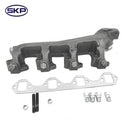
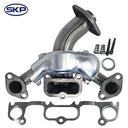
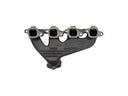
The exhaust manifold bolts directly to your engine's cylinder head and collects spent combustion gases from each cylinder, routing them into the exhaust system. Cast iron manifolds crack from repeated heat cycling - especially on high-mileage engines or vehicles that run hot - while the gaskets between the manifold and head are even more failure-prone. A warped or cracked manifold lets exhaust gases escape before the oxygen sensor can read them, throwing off fuel trim and triggering a check engine light. Pre-heat hoses route warm exhaust air to the intake on older carbureted engines and crack with age; the heat shield protects nearby wiring and fuel lines from radiant heat. When shopping, cast iron OEM-style manifolds are the durable default for daily drivers, while stainless steel headers offer better flow for performance builds. Always verify the part number against your engine's cylinder count, displacement, and bank (driver or passenger side on V-engines).
Signs you need replacement
- Ticking or tapping noise at startup that fades as the engine warms up - a classic sign of a cracked manifold or blown gasket, where the gap seals slightly as metal expands from heat.
- Raw exhaust smell inside the cabin or under the hood - escaping combustion gases from a manifold leak can enter the HVAC fresh-air intake, which is both a performance issue and a safety hazard.
- Check engine light with codes P0420, P0430, or lean-condition codes (P0171/P0174) - an upstream exhaust leak contaminates oxygen sensor readings, causing the ECU to miscalculate fuel delivery.
- Visible cracks, carbon tracking, or black soot deposits on the manifold surface - a visual confirmation of a breach; check around the flange-to-head mounting surface and near any cast-in joints.
- Melted wiring, heat damage to nearby hoses, or a burning smell with no other cause - points to a missing or failed exhaust manifold heat shield allowing radiant heat to damage adjacent components.
Frequently asked questions
- How long do exhaust manifolds typically last, and is there a set replacement interval? There's no fixed mileage interval - manifolds often outlast the vehicle on well-maintained engines. However, cast iron units on turbocharged or high-temperature applications frequently develop cracks between 80,000–150,000 miles. Gaskets typically fail first and should be inspected anytime the manifold is removed.
- Should I buy an OEM exhaust manifold or go with an aftermarket unit? OEM or OEM-equivalent cast iron manifolds are the right call for most stock passenger vehicles - they match factory wall thickness and port dimensions exactly. Aftermarket stainless steel manifolds and headers improve exhaust flow for performance builds but often require additional tuning and may not pass emissions in all states.
- What else should I replace while the exhaust manifold is off? Always install new manifold gaskets - reusing old ones almost guarantees a leak. Replace the manifold studs and nuts if they show corrosion or thread damage; penetrating oil and heat are often needed to remove them without snapping. On turbocharged engines, inspect the downpipe flex section and turbo inlet while access is open. Budget $150–$600 for parts depending on the application, with labor adding $200–$500 at a shop.