
Select your vehicle
Electrical Sockets


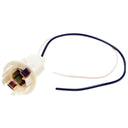

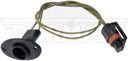


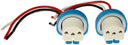


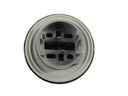
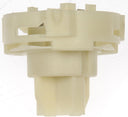

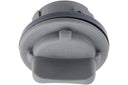

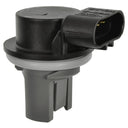
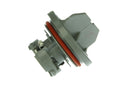

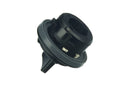
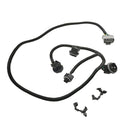


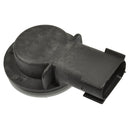

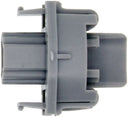

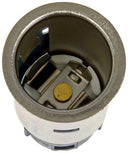


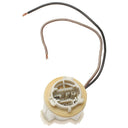
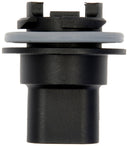
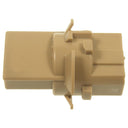
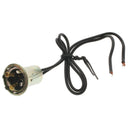
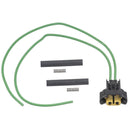
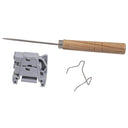
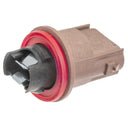
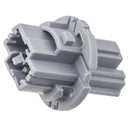
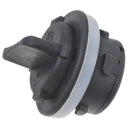
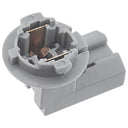
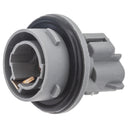
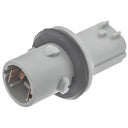
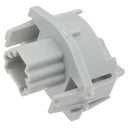
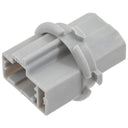
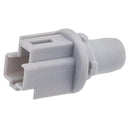
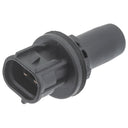
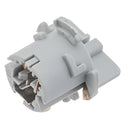
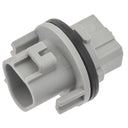
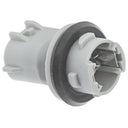
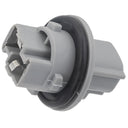
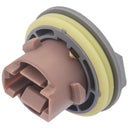
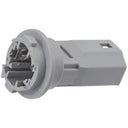
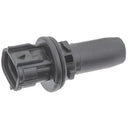
Electrical sockets are the wiring harness connectors that hold bulbs in place and deliver power to every light on your vehicle - from headlights and tail lights to instrument panel indicators and license plate lamps. They fail most often due to heat cycling, corrosion from moisture intrusion, or physical damage when a bulb is forced in or out. A cracked socket body, melted plastic, or corroded terminals will cause intermittent bulb failures, dim output, or trigger a check-engine or warning light even after a fresh bulb is installed. With 299 options across 17 socket types - including parking light, tail light, turn signal, headlight, side marker, and daytime running light sockets - fitment is vehicle-specific, so confirm your year, make, model, and trim before ordering. OEM-spec sockets use heat-resistant nylon and match factory terminal counts exactly; quality aftermarket units from brands like Standard Motor Products or Dorman are reliable alternatives, often at lower cost, but verify the connector body style and wire lead length match your harness.
Signs you need replacement
- Bulb fails immediately after replacement. If a new bulb burns out within days or stops working on installation, the socket itself is likely melted or has corroded terminals creating resistance and excess heat.
- Flickering or intermittent light output. A parking light, tail light, or turn signal that flickers at speed or over bumps usually points to a cracked socket body or loose terminal contact rather than a failing bulb.
- Visible melting, discoloration, or burnt smell at the socket. Heat damage to the plastic housing causes terminal misalignment and can arc - replace the socket before it damages the surrounding wiring harness.
- Warning light stays on after bulb is replaced. Modern vehicles monitor circuit resistance; a corroded or poorly seating socket can keep a "bulb out" or check-engine code active even with a functional bulb installed.
- Green or white corrosion on socket terminals. Moisture intrusion - common on tail light, license plate, and side marker sockets - oxidizes the brass terminals, increasing resistance and causing dim or failed output.
Frequently asked questions
- How often do electrical sockets need to be replaced? There's no fixed interval - sockets typically last the life of the vehicle unless exposed to moisture, heat damage, or physical stress. In practice, most replacements happen reactively when a persistent bulb failure or flickering issue is traced back to the socket rather than the bulb itself.
- Should I use OEM or aftermarket sockets? For most applications, quality aftermarket sockets from Standard Motor Products or Dorman match OEM specs closely enough for reliable long-term use. For late-model vehicles with LED lighting or CANBUS systems - particularly headlight and daytime running light sockets - OEM or OEM-equivalent parts are worth the premium to avoid resistance-related warning lights.
- How difficult is it to replace a light socket, and what else should I replace at the same time? Most exterior sockets are a 10–20 minute DIY job requiring only a trim panel tool or screwdriver to access the housing. Socket prices typically run $5–$30 depending on type. Replace the bulb at the same time - it's free labor - and inspect the connector pigtail for melted insulation, which may need a pigtail repair kit if damage extends into the harness.