
Select your vehicle
Bearings
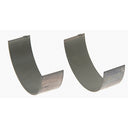

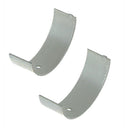
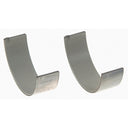
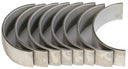

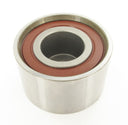

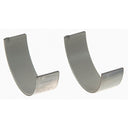
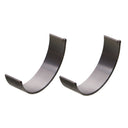
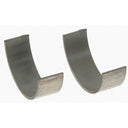
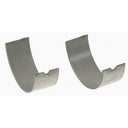
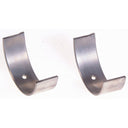
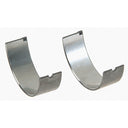
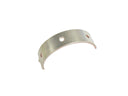


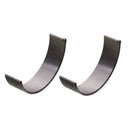

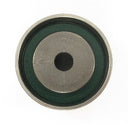
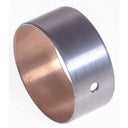
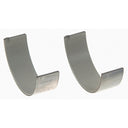
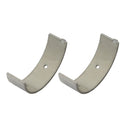
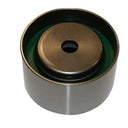


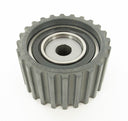
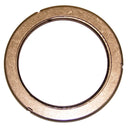
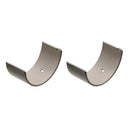
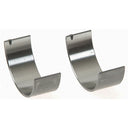


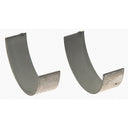
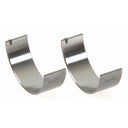

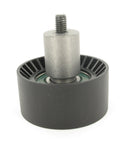
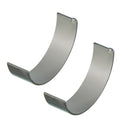
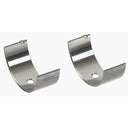

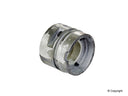

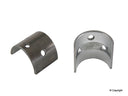


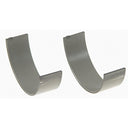
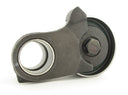
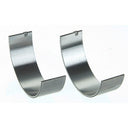
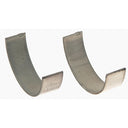

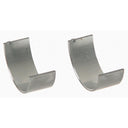
Engine bearings are precision-fit components that allow rotating and reciprocating parts - crankshaft, camshaft, connecting rods, and balance shafts - to move with minimal friction inside the block and head. Most are plain sleeve-style bearings made from layered alloys (typically steel-backed with a babbitt or copper-lead overlay), while timing idler and tensioner bearings are roller-type. Connecting rod and main bearings are the most commonly replaced, usually due to oil starvation, contamination, or high mileage wear - symptoms often surface between 100,000–150,000 miles on engines with consistent oil changes, earlier on neglected ones. When buying, always match the bearing size to your crank journal dimensions - standard or undersized (0.010", 0.020", 0.030" are common) - and confirm the part fits your specific engine code, not just make and model. OEM bearings are a safe choice; reputable aftermarket brands like ACL, Clevite, and King offer comparable or better performance for high-mileage rebuilds or performance applications.
Signs you need replacement
- Deep knocking or rumbling from the engine at idle that gets louder under load typically points to worn connecting rod bearings - often called "rod knock." This is a critical symptom that requires immediate inspection to avoid catastrophic engine damage.
- Low or fluctuating oil pressure readings on your gauge or warning light can indicate bearing clearances have opened up beyond spec, allowing oil to bypass the bearing surfaces faster than the pump can maintain pressure.
- Rhythmic metallic ticking or rattling from the timing cover area may signal a worn timing idler or tensioner bearing, especially on belt-driven DOHC engines after 60,000–90,000 miles or during a scheduled timing belt service.
- Copper or metallic debris in the oil or on the drain plug magnet during an oil change can indicate bearing material is shedding - a sign the overlay has worn through to the substrate layer.
- Rough idle or vibration that worsens at low RPM on engines with balance shafts may point to worn balance shaft bearings, particularly on high-mileage Chrysler 2.4L, Honda K-series, or Mitsubishi-derived engines where these wear before the main bearings do.
Frequently asked questions
- How often do engine bearings need to be replaced? There's no fixed service interval - engine bearings are replaced when symptoms appear or during engine rebuilds. On well-maintained engines, connecting rod and main bearings often last 150,000–200,000 miles. Timing idler and tensioner bearings should be replaced every 60,000–90,000 miles as part of a scheduled timing belt service regardless of visible wear.
- Are aftermarket bearings like ACL or Clevite as good as OEM? For most street applications, yes - and for performance or high-mileage rebuilds, many experienced engine builders prefer them. ACL and Clevite (now owned by Federal-Mogul/Tenneco) use multi-layer alloy constructions with tight dimensional tolerances. Confirm the specific part number fits your engine displacement, journal size, and any undersize specification from your machine shop measurements.
- What else should I replace when doing rod or main bearings? At minimum, replace all bearings in the same family at once - don't replace just one rod bearing. Plan to also replace the oil pump, crankshaft seals, and gasket set if the engine is already apart. A complete set of connecting rod bearings typically runs $40–$120 for common engines; main bearing sets range from $30–$100. Labor for a full bearing job without pulling the engine runs $500–$1,200 at a shop.