
Select your vehicle
Hardware, Fasteners and Fittings
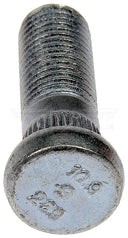



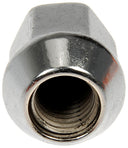



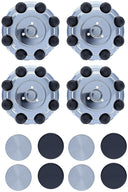
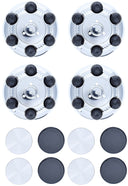

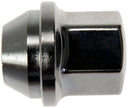


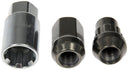
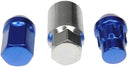
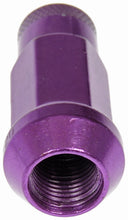


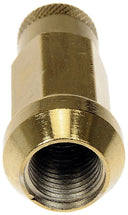

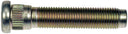
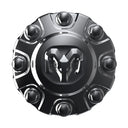
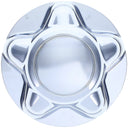
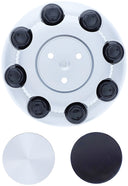

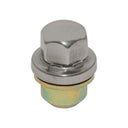
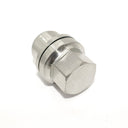
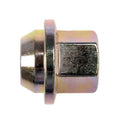
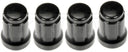
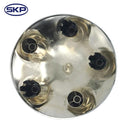
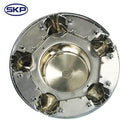
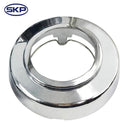
Wheel hardware keeps your wheels centered, seated, and secured to the hub - and when any piece fails, the consequences range from an embarrassing wobble to a wheel separating at speed. This collection covers lug nuts, lug studs, lug bolts, wheel caps, rim nuts, and ancillary hardware including TPMS sensor clips and wheel cover clips across 736 products. Lug studs are the most common failure point: they strip or shear from over-torquing, impact wrench abuse, or corrosion, and a single damaged stud should prompt inspection of the rest. Lug nuts and bolts don't wear on a mileage schedule but should be replaced if threads are compromised, seats are rounded, or you're changing wheel type - open-ended nuts for aftermarket wheels, closed/acorn for OEM applications. Always match thread pitch and seat type (conical, ball, flat) to your wheel. OEM-spec hardware is the safest default; aftermarket is fine when spec-matched correctly.
Signs you need replacement
- Wheel feels loose or vehicle pulls during highway driving. Even one stripped or missing lug nut reduces clamping force across the wheel; if you feel vibration or pulling that wasn't there before, check torque and inspect studs and nuts for thread damage before driving further.
- Lug nut won't torque down or spins freely. This usually means the stud threads are stripped. A stud that won't hold torque has no holding power - replace it before reinstalling the wheel.
- Visible rust, corrosion, or cracking on lug nuts or studs. Surface rust is cosmetic, but deep pitting, thread corrosion, or cracking at the base of a stud are structural issues that warrant immediate replacement.
- Lug nut seat is rounded or won't accept a socket cleanly. Over-torqued or impacted lug nuts develop a rounded hex profile that makes removal difficult and torque readings unreliable - replace them rather than risk a stuck wheel at the next tire change.
- Wheel cap is cracked, missing, or no longer clips securely. Caps are cosmetic but protect center bore threads and hub components from road debris and moisture. Damaged clips or retaining hardware let caps rattle and fall off.
- TPMS sensor reading is erratic after a tire rotation or mount. A damaged or missing TPMS sensor clip can cause the sensor to shift position in the rim, leading to false pressure readings or a persistent TPMS warning light.
Frequently asked questions
- How often should lug nuts and studs be replaced? There's no fixed mileage interval - replace them when you find thread damage, corrosion, or improper fit. That said, it's good practice to inspect studs and nuts every time tires are rotated (typically every 5,000–7,500 miles) and replace the full set if multiple fasteners show wear.
- Do I need OEM lug nuts, or will aftermarket work? Aftermarket lug nuts are fine as long as thread pitch, shank length, and seat type match your wheel. The critical variable is the seat: conical (tapered), ball (spherical), and flat seats are not interchangeable. Mismatched seats cause uneven clamping and can crack aluminum wheels over time. When in doubt, OEM eliminates guesswork.
- What does it cost to replace a lug stud, and can I do it myself? Individual lug studs typically run $3–$15 each; a full set of five per hub is usually $15–$60 depending on vehicle and brand. Replacement is DIY-friendly on most vehicles - it requires removing the wheel and brake rotor or drum, pressing or hammering the old stud out, and pulling the new one through with lug nuts. Budget 30–60 minutes per hub.