
Select your vehicle
Gaskets and Sealing Systems
| Image | Part | Brand | Part number | Position | Availability | |
|---|---|---|---|---|---|---|

|
Distributor Mounting Gasket |

Mahle
|
B25941 | — | $10.24 | In stock
|
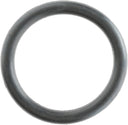
|
Distributor Gasket |

Victor Reinz
|
41-10424-00 | — | $13.44 | In stock
|

|
Distributor Mounting Gasket |

Fel-Pro
|
70056 | — | $10.31 | In stock
|

|
Distributor Mounting Gasket |
Mahle
|
B17926 | — | $11.15 | In stock
|

|
Distributor Mounting Gasket |
Mahle
|
72219 | — | $11.62 | In stock
|

|
Distributor Mounting Gasket |
Mahle
|
B25212 | — | $10.10 | In stock
|
|
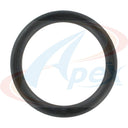
Distributor Mounting Gasket |

Apex
|
ADM1400 | — | $8.30 | In stock
|

|
Distributor Mounting Gasket |
Mahle
|
72125 | — | $12.17 | In stock
|

|
Spark Plug Cover Gasket |
Victor Reinz
|
71-36523-00 | — | $34.28 | In stock
|

|
Distributor Mounting Gasket |
Victor Reinz
|
71-13504-00 | — | $14.57 | In stock
|
|
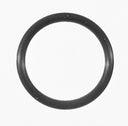
Distributor Tube Gasket |
Mahle
|
B45859 | — | $10.03 | In stock
|

|
Spark Plug Cover Gasket |
Victor Reinz
|
71-28940-00 | — | $14.94 | In stock
|
Ignition gaskets and seals prevent oil, moisture, and combustion gases from migrating into or around distributor housings, coil mounts, and spark plug wells - small parts that cause outsized problems when they fail. Distributor mounting and cap gaskets are the most frequently replaced, typically when a distributor is pulled for servicing or when oil contamination is found inside the cap. Ignition coil mounting gaskets matter most on engines where coils seat directly against the valve cover, as a failed seal here lets oil pool around plug boots. When shopping, prioritize OEM-spec materials - nitrile or silicone rubber for most applications - and always verify fitment by engine code, not just year/make/model. Many distributor gaskets are application-specific to the exact distributor casting, so confirm part numbers against your existing unit before ordering.
Signs you need replacement
- Oil inside the distributor cap or around the cap base. A leaking distributor mounting gasket allows crankcase oil to wick up into the cap, causing misfires, corrosion on the rotor and cap terminals, and eventual ignition failure.
- Misfires or rough idle after rain or a car wash. A deteriorated distributor cap gasket loses its moisture seal, letting water intrude and causing cylinder-specific misfires that often clear once the engine warms up.
- Oil-fouled spark plugs on coil-on-plug engines. A failed spark plug cover or ignition coil mounting gasket lets oil from the valve cover flood the plug well, saturating the boot and plug and triggering P030X misfire codes.
- Visible cracking, compression set, or brittleness on the old gasket during a tune-up. Rubber ignition gaskets harden and lose elasticity over time - if the material flakes or shows surface cracking when removed, replace it rather than reusing it.
- Recurring cap corrosion or carbon tracking with no other obvious cause. If you're replacing distributor caps repeatedly on an otherwise sound ignition system, a compromised cap or mounting gasket seal is often the overlooked culprit.
Frequently asked questions
- Should I replace the distributor gasket every time I pull the distributor? Yes - these gaskets are single-use by design. Once compressed and heat-cycled, they rarely reseal reliably. At $2–$8 for most applications, there's no reason to reuse one. Always install a new gasket any time the distributor is removed for timing adjustments, cap replacement, or engine work.
- Are aftermarket ignition gaskets as reliable as OEM? For most domestic and Japanese applications, quality aftermarket gaskets from brands like Fel-Pro or Standard Motor Products match OEM dimensions and material specs closely and typically cost 30–50% less. For European vehicles - especially older BMWs and Mercedes - OEM or OEM-equivalent parts are worth the premium, as aftermarket fitment tolerances can be inconsistent.
- What else should I replace while I have the distributor out? Replace the cap, rotor, and O-ring (if applicable) at the same time. On high-mileage engines, the distributor shaft seal is worth inspecting too - it's inexpensive and a separate leak source. Bundling these with the gasket replacement avoids pulling the distributor again soon after. Total DIY parts cost typically runs $15–$50 depending on vehicle.