
Select your vehicle
Electrical Connectors


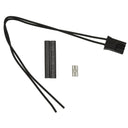
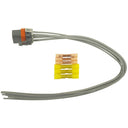


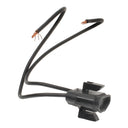


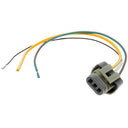

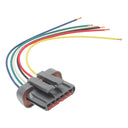
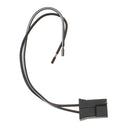

Wiper and washer electrical connectors are the plug-and-socket interfaces that deliver power and signal to every component in your windshield clearing system - wiper motors, washer pumps, rain sensors, defroster modules, fluid level sensors, and pulse control modules. They fail most often from heat cycling, road moisture, and corrosion at the terminal pins, which causes intermittent or complete loss of function in the connected component. Before replacing an expensive wiper motor or washer pump, always inspect the connector first - a corroded or cracked plug is a fraction of the cost. This collection covers 12 distinct connector types across 21 products. When buying, confirm the connector body style (number of pins, locking tab orientation) and wire gauge rating match your original. OEM-spec connectors use weather-resistant nylon housings and tin- or gold-plated terminals; budget aftermarket versions can work fine for low-current sensors but verify terminal plating on motor connectors carrying higher amperage loads.
Signs you need replacement
- Wipers or washers work intermittently without explanation. If tapping or wiggling the wiring harness near the motor or pump restores function temporarily, a cracked connector housing or loose terminal pin is the likely cause - not the component itself.
- Visible corrosion, green oxidation, or melted plastic at the plug. Corroded terminals increase resistance, causing voltage drop that makes motors run slowly or not at all; melted housings indicate a short or overload that requires immediate connector replacement.
- Washer fluid level warning light stays on with a full reservoir. The washer fluid level sensor connector is a common failure point - corrosion at its pins sends a false "low fluid" signal to the dash even when the tank is topped off.
- Rear defroster grid shows continuity but won't activate. The window defroster control module connector or defroster grid terminal can fail independently of the grid itself; check connector integrity before writing off the defroster module.
- Rain sensor stops triggering wipers in wet conditions. The rain sensor connector sits near the windshield where temperature swings are severe; a cracked or unseated housing lets moisture bridge the pins and disrupt the optical sensor signal.
- Wiper speed or delay settings behave erratically. A faulty wiper switch connector or pulse control module connector can cause random speed changes or loss of intermittent function - symptoms that often get misdiagnosed as a failed switch or BCM issue.
Frequently asked questions
- Do wiper and washer connectors need to be replaced on a set interval? There's no mileage interval - these are condition-based replacements. In practice, connectors in high-moisture areas (washer pump, fluid level sensor) tend to degrade in 8–12 years on older vehicles. Inspect them any time you're diagnosing a wiper or washer malfunction, or when replacing the component they serve.
- Are OEM connectors worth the premium over aftermarket for this application? For motor connectors (wiper motor, washer pump motor) carrying 5–15 amps, OEM or OEM-spec aftermarket connectors with plated terminals are worth it - poor contact here causes voltage drop and premature motor wear. For low-current sensor connectors (fluid level, rain sensor), quality aftermarket options from brands like Dorman or ACDelco are reliable and significantly cheaper.
- How difficult is it to replace one of these connectors, and what else should I replace at the same time? Most connector swaps are beginner-level: unplug the old, plug in the new, no special tools required. Pigtail-style replacements that require splicing take 20–40 minutes with basic electrical skills. While you have the connector out, inspect the mating terminals on the component side and apply dielectric grease to both halves before reconnecting - it's a $3 step that prevents the same failure from recurring.