
Select your vehicle
Electrical Connectors


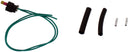


Electrical connectors in the charging and starting system are the hardwired links between your battery, alternator, starter, and the ECM - and they're often the last thing technicians check when diagnosing intermittent charging faults or no-start conditions. The majority of this catalog covers charging system voltage regulator connectors, which mate directly to the alternator's voltage regulator and are notorious for heat-related terminal corrosion, cracked housings, and backed-out pins after years of underhood temperature cycling. Battery current sensor connectors and starter relay and solenoid connectors round out the selection for complete charging and starting circuit repairs. When buying, prioritize connectors with OEM-matched terminal plating (typically tin or gold-flashed copper) and heat-resistant nylon housings rated for underhood temps. Fitment is highly year/make/model specific - a connector that looks identical may have a different pin count or TPA (terminal position assurance) lock, so verify your exact application before ordering.
Signs you need replacement
- Battery warning light or charging voltage fluctuates - An intermittent or corroded voltage regulator connector causes the alternator output signal to drop in and out, triggering a charging fault code (typically P0562 or P0625) even when the alternator itself tests good.
- Melted, scorched, or brittle connector housing - Excessive resistance from a loose or corroded terminal generates heat that discolors or deforms the plastic housing; this is a clear sign the connector needs replacement before it causes a wiring harness fire.
- No-start condition with good battery voltage - A failed starter relay or solenoid connector can interrupt the activation circuit entirely, leaving you with a click or complete silence even with a fully charged battery and a known-good starter.
- Battery current sensor throwing fault codes - Codes like P0AFA or manufacturer-specific battery sensor faults often trace back to a damaged or corroded sensor connector rather than the sensor itself, particularly on vehicles with start-stop systems.
- Connector terminal won't lock or has visible pin damage - If the connector body is cracked, the locking tab is broken, or individual terminals are pushed back or spread, the connection will arc and fail under load even if it appears seated.
Frequently asked questions
- Do electrical connectors have a set replacement interval? There's no mileage-based schedule, but voltage regulator and battery sensor connectors on vehicles over 8–10 years old or 100,000 miles should be inspected any time you're replacing an alternator, battery, or starter. Heat, vibration, and moisture exposure accelerate terminal wear significantly in high-mileage applications.
- Are aftermarket connectors as reliable as OEM for charging system applications? Quality varies significantly. Look for connectors that specify OEM-equivalent terminal material and housing grade - reputable aftermarket options from brands like Dorman or standard pigtail assemblies using Delphi-spec terminals perform reliably. Avoid generic connectors with unspecified plastic grades, especially for the voltage regulator circuit, which carries continuous current load.
- What should I replace at the same time as the voltage regulator connector? If the connector shows heat damage or corrosion, inspect the mating terminals on the alternator plug and the adjoining wiring for at least 6 inches back. It's worth replacing the alternator if its internal regulator plug is damaged. A dielectric grease application on reassembly helps prevent future corrosion - the part itself typically costs $8–$30.