
Select your vehicle
Steering Column


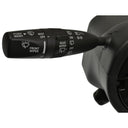
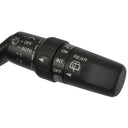
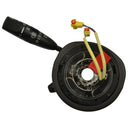
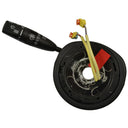
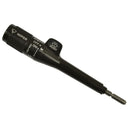
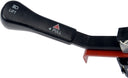

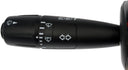
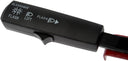
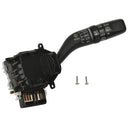
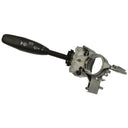
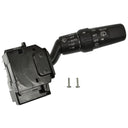
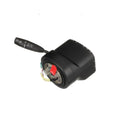
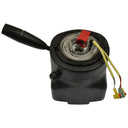
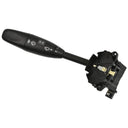
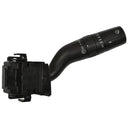
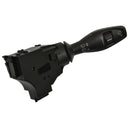
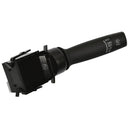
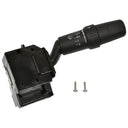
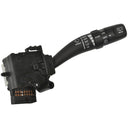
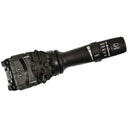
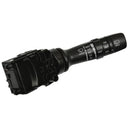
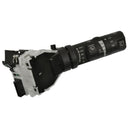
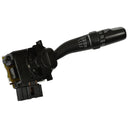
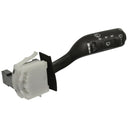
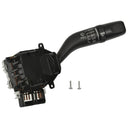
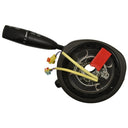
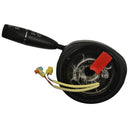
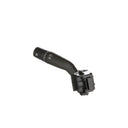
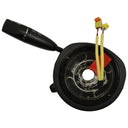
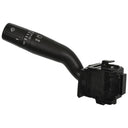
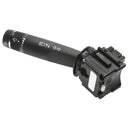
The turn signal lever - also called the turn signal switch or multifunction stalk - mounts to the steering column and controls your directional indicators, and often your headlight flash, lane-change tap signal, and hazard override. These levers fail gradually: the internal contacts wear, the detent spring weakens, or the plastic pivot cracks from repeated use. You'll most commonly see failure on high-mileage vehicles (100,000+ miles) or after airbag deployments that stress the column assembly. When shopping, confirm fitment by year, make, model, and trim - a lever from a base model often won't swap into a vehicle with cruise control stalk integration or auto-dimming functions. OEM units guarantee exact resistance and click feel; quality aftermarket options from brands like Standard Motor Products or Dorman are cost-effective and meet OE specs for most daily drivers. Avoid no-name levers with vague fitment listings - terminal count and connector type must match your column harness exactly.
Signs you need replacement
- Turn signals stay on or don't self-cancel after completing a turn - the canceling cam inside the column may be worn, but a faulty lever with a broken detent is often the culprit first.
- Directionals flash only on one side or not at all despite working bulbs and a good flasher relay - internal contact corrosion or a broken terminal inside the lever is the likely cause.
- Lever feels loose, spins freely, or has no tactile click when actuated - the pivot pin or detent spring has failed, and reliable signaling is no longer guaranteed.
- Hazard lights or high-beam flash function stops working while turn signals still operate - multifunction levers share contacts, and partial internal failures are common as mileage climbs.
- Lever snapped, cracked, or physically broke off at the column - common after steering wheel removal, airbag service, or impact, and a direct replacement is required before the vehicle is roadworthy.
Frequently asked questions
- Is there a set replacement interval for a turn signal lever? There's no mileage-based schedule - these are replaced on failure. Most OEM levers last 100,000–150,000 miles under normal use, but heat cycling, connector corrosion, and physical stress from aggressive use or prior column repairs can shorten that significantly. Inspect it any time you're already servicing the steering column.
- Is an OEM turn signal lever worth the higher price over aftermarket? For vehicles still under extended warranty or with complex multifunction stalks integrating cruise control, wiper functions, and auto-dimming, OEM is worth it for guaranteed fitment and feel. For older or high-mileage vehicles, a Standard Motor Products or Dorman unit offers solid reliability at roughly 40–60% of OEM cost with proper connector matching.
- How difficult is it to replace a turn signal lever yourself, and what else should I replace at the same time? Most turn signal lever swaps are beginner-to-intermediate DIY - expect 30–60 minutes, steering wheel removal on some platforms, and SRS precautions if your column has an airbag. Parts typically run $25–$90 for the lever. If the clock spring or multifunction switch shows wear, replace those together to avoid disassembling the column a second time.