
Select your vehicle
Hardware, Fasteners and Fittings


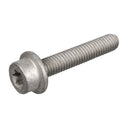

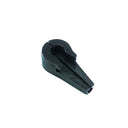

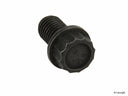
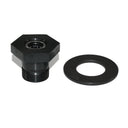

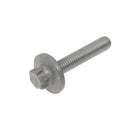
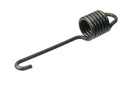



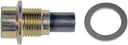
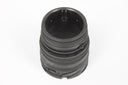

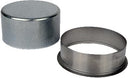

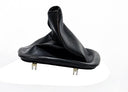


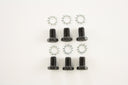


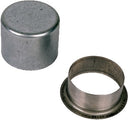
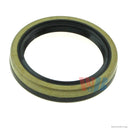

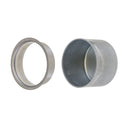

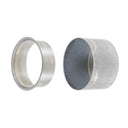
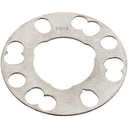
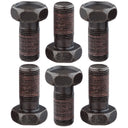
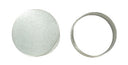
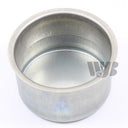
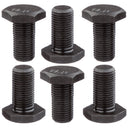


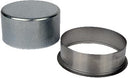

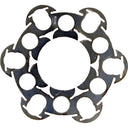

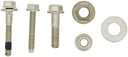
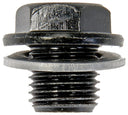


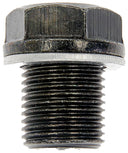





Transmission hardware and fasteners are small parts that carry serious responsibility - flywheel bolts torqued to spec hold your rotating assembly together at thousands of RPM, drain plugs prevent fluid loss that leads to catastrophic gear damage, and repair sleeves salvage worn shaft and torque converter sealing surfaces without requiring full component replacement. This collection covers 192 parts across both automatic and manual transmissions, including clutch flywheel bolts, flexplate mounting bolts, shift linkage clips, valve body sealing sleeves, and a wide range of input, output, and pinion shaft repair sleeves. When sourcing these parts, torque spec compliance and material grade matter more than price - OEM-spec flywheel and pressure plate bolts are typically single-use stretch bolts that must be replaced, never reused. Repair sleeves should be matched to exact shaft diameter and finish tolerance for your application. Always verify fitment by transmission code or VIN, not just year/make/model.
Signs you need replacement
- Transmission fluid pooling under the vehicle - a failing or cross-threaded drain plug, worn plug adapter, or damaged valve body plug can allow steady fluid loss; low ATF accelerates clutch pack and bearing wear quickly.
- Vibration or shudder felt through the drivetrain at idle or under load - loose or damaged flywheel bolts or flexplate mounting bolts allow micro-movement between the flywheel and crankshaft flange, producing a rhythmic knock or shudder that worsens over time.
- Fluid leaking at the output shaft, input shaft, or torque converter snout - worn sealing surfaces cause lip seals to leak even when the seal itself is new; a repair sleeve restores the contact surface so a replacement seal can seat and hold properly.
- Sloppy, vague, or stuck shift feel on a manual transmission - torn shift boots, a cracked shift linkage clip, or a worn shift lever boot allow contaminants into the linkage and reduce precision, making it difficult to engage gears cleanly.
- Clutch engagement feels inconsistent after pedal or hydraulic work - a damaged clutch master cylinder reservoir retainer, worn clutch fork boot, or fatigued clutch fork retainer clamp can introduce air, debris, or misalignment into the clutch actuation path.
- Flywheel or flexplate inspection reveals scoring or runout - if a flywheel shim is missing or incorrect thickness, ring gear alignment and starter engagement are affected; shim selection must match the specific block-to-transmission stack-up.
Frequently asked questions
- Are flywheel bolts and flexplate bolts reusable? Most OEM flywheel and flexplate bolts are torque-to-yield fasteners designed for single use - reusing them risks undertorque or thread failure. Always replace them when removing the flywheel or flexplate. Check your service manual; some applications use standard-grade bolts that are reusable if undamaged and within spec.
- Will an aftermarket repair sleeve work as well as OEM on a transmission shaft? Quality aftermarket repair sleeves from manufacturers like National or Speedi-Sleeve perform comparably to OEM when properly sized and installed. The critical specs are inner diameter, surface finish (microinch Ra), and wall thickness. Avoid generic sleeves without published tolerances - a poor surface finish will cause the new seal to leak almost immediately.
- What does a transmission drain plug replacement typically cost, and should I replace anything else at the same time? Drain plugs run $5–$25 depending on thread size and whether a magnetic tip is included. When you're in there, it's worth inspecting the drain plug gasket or sealing washer - these are crush-type seals that should be replaced with every fluid service to prevent weeping, typically $1–$5 per unit.