
Select your vehicle
ABS Components


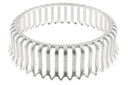






ABS components work together to prevent wheel lockup during hard braking by monitoring individual wheel speeds and modulating brake pressure in milliseconds. The wheel speed sensor tone ring is the most commonly replaced part in this system - it sits at the hub or axle and gives the ABS module its speed data. Corrosion, impact damage, or worn teeth on the tone ring will throw ABS codes and disable the system entirely. Hydraulic assemblies and modulators are less frequent replacements but critical when internal solenoids or pump motors fail. When shopping, confirm the sensor tooth count and ring diameter for tone rings, as these vary by axle position and model year. OEM units offer guaranteed fit and calibration; quality aftermarket brands like Dorman and Standard Motor Products are solid alternatives at 30–50% less, provided you match the part to your exact VIN and trim level.
Signs you need replacement
- ABS warning light stays on. This is the most direct indicator - a stored C-code (commonly C0035–C0050 for wheel speed sensors) points to a specific corner of the vehicle and usually means a failed sensor or damaged tone ring at that wheel.
- ABS activates at low speeds or on dry pavement. If the system pulses the brake pedal during normal stops under 10 mph, a cracked or corroded tone ring is sending erratic speed signals that the module interprets as wheel lockup.
- Traction control and stability control also shut off. These systems share wheel speed data with ABS. When tone ring or sensor data drops out, the entire suite of active safety features disables simultaneously.
- Brake pedal becomes hard and unresponsive during ABS activation. A failing hydraulic assembly or modulator may lose the ability to release pressure to individual calipers, causing the pedal to feel wooden or the vehicle to pull sharply under heavy braking.
- Grinding or clicking noise from a wheel bearing area after a hub replacement. Pressed-in tone rings can crack during hub R&R - any new ABS code immediately following bearing or hub service points here first before replacing the sensor itself.
Frequently asked questions
- How often do ABS wheel speed sensors and tone rings need to be replaced? There's no fixed interval - these parts fail from corrosion, physical damage, or bearing wear rather than mileage. Tone rings typically last 100,000+ miles unless the hub area is exposed to heavy road salt or a bearing fails and takes the ring with it. Inspect them whenever you're servicing hubs or wheel bearings.
- Is OEM worth the premium over aftermarket ABS components? For tone rings and sensors, quality aftermarket units from Standard Motor Products, Dorman, or Bosch perform comparably to OEM at a meaningful cost savings. For hydraulic assemblies and modulators, OEM or remanufactured OEM is strongly preferred - aftermarket units for these have a higher variance in quality and calibration, and a mismatched modulator can affect brake bias across the axle.
- What does it cost to replace an ABS wheel speed sensor or hydraulic assembly, and can I do it myself? Sensor and tone ring replacement runs $40–$150 in parts and is DIY-friendly with basic hand tools - the main challenge is seized sensor bolts on high-mileage vehicles. Hydraulic assemblies and modulators are $200–$800+ in parts and require brake line bleeding; some vehicles also need dealer-level software to initialize a new modulator, so check your specific application before ordering.