
Select your vehicle
Drive Shaft


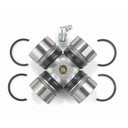

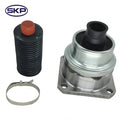






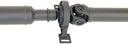



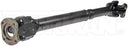


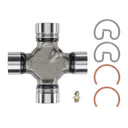


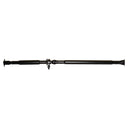
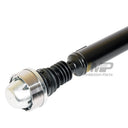


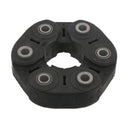


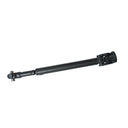

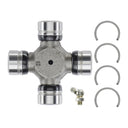

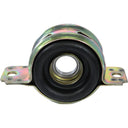


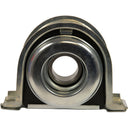

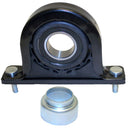


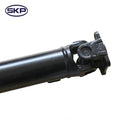

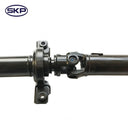


Drive shafts transfer torque from your transmission or transfer case to the axles, and every component in the system - U-joints, center support bearings, CV joints, flex joints, and slip yokes - plays a role in keeping that power delivery smooth. Most U-joints last 100,000–150,000 miles under normal conditions, but towing, off-road use, or worn driveline angles accelerate wear significantly. Complete drive shaft assemblies typically run $150–$600 for passenger vehicles; heavy-duty truck shafts can exceed $1,000. When buying, verify shaft length, slip yoke spline count, and flange bolt pattern - these specs vary even within the same model year across trim levels and axle ratios. OEM replacements guarantee exact fitment, while quality aftermarket units from brands like Spicer, Dorman, and SKF offer comparable durability at lower cost. For high-mileage rebuilds, replacing U-joints and center support bearings together rather than piecemeal saves labor time and prevents a repeat job.
Signs you need replacement
- Vibration felt through the floor or seat at highway speeds - often intensifying between 55–70 mph, this typically points to a worn or out-of-balance drive shaft, failed U-joint, or deteriorating center support bearing.
- Clunking or thudding when accelerating from a stop - a loose or seized U-joint often produces a distinct clunk under initial load, especially noticeable when pulling away from a light or reversing direction.
- Squealing or chirping noise during low-speed maneuvers - dry or failing U-joints frequently squeal when the joint is rotating through its operating angle, a sound that disappears temporarily after lubrication but returns as wear progresses.
- Shudder during acceleration from a fully stopped position - common in trucks and SUVs with a Double Cardan CV joint at the front of the driveshaft, this "morning sickness" shudder usually means the centering ball and socket are worn.
- Grease flung onto the undercarriage or exhaust - burst U-joint caps or a cracked CV boot will throw grease across surrounding components; a joint running without lubrication will fail within miles, not miles.
- Visible lateral play or wobble in the shaft when inspected with the vehicle raised - any perceptible movement at a U-joint, center bearing, or slip yoke under manual pressure indicates the component is past its service limit.
Frequently asked questions
- How often should U-joints and drive shaft components be inspected? Inspect U-joints, center support bearings, and CV joints every 30,000 miles or at every other tire rotation. Vehicles that tow regularly, operate off-road, or accumulate highway miles quickly should be checked annually. Greaseable U-joints should be lubricated at every oil change to maximize service life.
- Is an OEM drive shaft worth the premium over aftermarket for a daily driver? For most daily drivers, a quality aftermarket shaft from Spicer, Dorman, or AAM matches OEM balance tolerances and material specs at 30–50% less cost. OEM is worth the premium for vehicles still under powertrain warranty, or when exact balance certification is required - common in performance applications or newer trucks with active driveline systems.
- What else should I replace when doing a drive shaft or U-joint job? If replacing U-joints, inspect the slip yoke seal and yoke ears for wear or cracks while the shaft is out - a $15 seal prevents a repeat disassembly. On two-piece shafts, replace the center support bearing at the same time. A drive shaft job typically runs $200–$450 in labor at a shop, so bundling related parts pays off.