
Select your vehicle
Instrument Panel
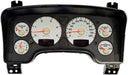

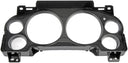
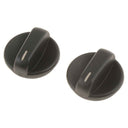


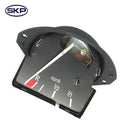


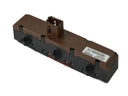
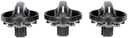
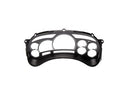
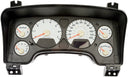
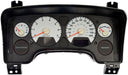

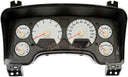
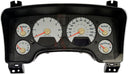
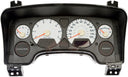
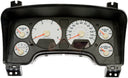



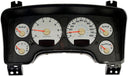
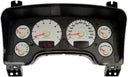
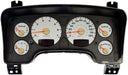
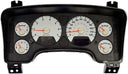
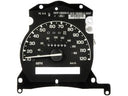





Your instrument panel is the command center of your cabin - housing the gauges, controls, and switches you interact with every drive. Parts in this category cover everything from HVAC heater control knobs and headlight switch knobs to full instrument clusters, cluster bezels, lenses, and upgrade kits. Clusters typically fail due to stepper motor wear, failed backlighting, or corroded circuit boards - common on high-mileage vehicles and certain GM, Ford, and Chrysler platforms from the early 2000s. Control knobs crack, strip, or lose their grip over time, especially in climates with extreme heat or cold. When buying a replacement cluster, verify the part number matches your trim level and engine - speedometer calibration, warning light configurations, and odometer programming requirements vary significantly. OEM clusters often come pre-programmed or require dealer setup; quality aftermarket units can save 40–60% but confirm they're compatible with your vehicle's communication protocol (CAN bus vs. older analog systems).
Signs you need replacement
- Gauge needles are erratic, stuck, or pegged at zero - this is the most common symptom of failed stepper motors inside the cluster, particularly on 2000s-era GM vehicles. The speedometer, tachometer, or fuel gauge may work intermittently or stop responding entirely.
- Cluster backlighting is dim, flickering, or completely out - burned-out bulbs or failed LED lighting makes gauges unreadable at night. On older clusters, individual bulbs can be replaced; on integrated units, a full cluster swap or repair kit is usually required.
- HVAC or headlight control knob spins freely without engaging - the internal post or D-shaft interface has broken, meaning you can no longer control fan speed, temperature, or headlight position reliably. This is a direct replacement - no special tools needed.
- Instrument cluster lens is cracked, yellowed, or heavily scratched - a damaged lens distorts gauge readability and looks poor on resale. Lenses are model-specific and typically snap or screw in; replacing the lens alone avoids the cost of a full cluster.
- Warning lights remain on or fail to illuminate during bulb check - if your check engine, oil pressure, or battery light doesn't illuminate briefly at startup, the cluster's internal circuitry or a specific bulb may have failed, masking real warning signals.
- Odometer reading is blank or showing dashes - usually a failed display segment or cluster board issue. Note that replacing the cluster will reset the odometer display unless the unit is programmed to match - required for legal compliance in most states.
Frequently asked questions
- Does a replacement instrument cluster need to be programmed to my vehicle? It depends on the vehicle. Most modern clusters (2005 and newer) store mileage and VIN data and require dealer or professional programming to match your car's existing odometer and security system. Older analog clusters from the 1990s and early 2000s typically swap in without programming. Always verify before ordering.
- Are aftermarket instrument clusters as reliable as OEM? Reputable aftermarket clusters from brands like Standard Motor Products or Auto Meter are reliable for most daily-driver applications. For vehicles with complex driver-assist integrations or digital displays, OEM or remanufactured OEM units are the safer choice. For simpler platforms - especially pre-2005 trucks and SUVs - quality aftermarket units perform well at a lower cost.
- How much does it cost to replace an instrument cluster, and can I do it myself? Cluster parts range from roughly $80–$400 for most passenger vehicles; luxury and late-model trucks can run higher. The swap itself is beginner-to-intermediate DIY - typically 4–8 screws and a wiring harness connector. Budget extra for programming fees ($50–$150 at a shop) if your vehicle requires it. Replace the cluster lens or bezel at the same time to avoid a second dash teardown.