
Select your vehicle
Wheel


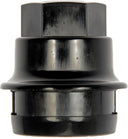


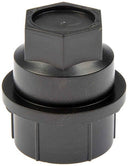


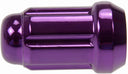

This collection covers the full range of wheel hardware and cosmetic components - from security-focused wheel lock sets and lug nut covers to replacement wheels, wheel covers, center cap emblems, and trim rings. Wheel locks are the most common replacement item here: keys wear out, sets get lost, or you're upgrading after a wheel theft. Replace them any time the key shows visible wear or the locks feel difficult to turn. For replacement wheels, confirm bolt pattern, offset (ET value), center bore diameter, and load rating before ordering - a wheel that's close but wrong on offset will cause rubbing or handling issues. OEM wheels guarantee exact fitment; quality aftermarket wheels from brands like Enkei, Konig, or Motegi are a solid choice if you're prioritizing weight, finish, or budget. Cosmetic parts like wheel covers and trim rings are size-specific - always match to your exact tire diameter.
Signs you need replacement
- Wheel lock key won't turn or strips the lock head. A worn key or corroded lock socket will eventually round off, leaving the wheel impossible to remove without an extraction kit. Replace the full set before you're stranded at a tire shop.
- Visible cracks, bends, or gouges on a wheel. Curb strikes and pothole impacts can crack alloy wheels or bend steel wheels enough to cause persistent slow leaks or vibration at highway speed. A bent wheel that can't be straightened needs replacing.
- Wheel cover or hubcap won't stay seated. Plastic retention tabs break over time, and a loose cover will eventually come off at speed. If the cover is cracked or the clips are broken, replacement is more reliable than repair.
- Lug nut covers are cracked, faded, or missing. Factory plastic lug nut covers protect the hardware from corrosion. Once cracked, moisture gets in and the underlying nut can seize - replace covers before that becomes a bigger problem.
- Center cap emblem is missing, discolored, or cracked. Sun exposure and car washes degrade painted emblems over several years. A missing cap also exposes the bearing grease cavity on some wheel designs to water and debris.
- Persistent vibration between 55–75 mph that balancing doesn't fix. If road force balancing and new tires haven't resolved a shimmy, the wheel itself may have lateral or radial runout beyond spec. Most shops consider anything over 0.040" lateral runout cause for replacement.
Frequently asked questions
- How do I confirm a replacement wheel will fit my vehicle? You need five measurements: bolt pattern (e.g., 5x114.3mm), center bore diameter, offset (ET value in mm), wheel diameter, and width. Your vehicle's bolt pattern and center bore are non-negotiable for safe fitment. Offset can be adjusted slightly with hub-centric spacers, but staying within ±5mm of OEM is safest for stock suspension geometry.
- Are aftermarket wheel lock sets as secure as OEM? Most OEM locks use proprietary key patterns exclusive to the dealership, which offers marginally better security. Quality aftermarket sets from McGard or Gorilla use hardened steel and spline-drive or rotating collar designs that defeat standard socket extraction tools. For most daily drivers, a reputable aftermarket set offers comparable real-world theft deterrence at a lower cost.
- What's the typical cost to replace a single alloy wheel, and can I do it myself? A replacement alloy wheel for a mainstream vehicle typically runs $75–$250 for a quality aftermarket option; OEM wheels range from $150–$600+ depending on make and model. Swapping a wheel is straightforward DIY - jack stands, a torque wrench, and correct lug torque (usually 80–100 ft-lbs) are all you need. Always re-torque after the first 50 miles.