
Select your vehicle
Sensors
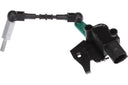


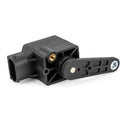


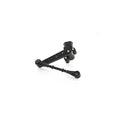


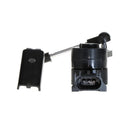


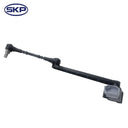


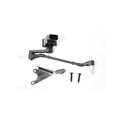

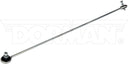


Suspension ride height sensors tell your vehicle's electronic suspension system exactly where each corner sits relative to the chassis. They're critical for air suspension, adaptive damping, and automatic headlight leveling - if one fails, the system can't compensate for load changes, leaving you with a nose-high stance, a sagging rear, or a suspension warning light that won't clear. Most sensors fail gradually due to corrosion, damaged wiring, or a bent connector rod (the small linkage that physically moves the sensor arm). When shopping, confirm the sensor matches your vehicle's specific suspension type - many trucks and SUVs use different sensors for front and rear axles, and part numbers often vary by trim level and whether your vehicle has air suspension or conventional coil-over adaptive shocks. OEM sensors are the safest bet for vehicles still under warranty or with complex air suspension systems; quality aftermarket options from brands like Dorman work well for most non-luxury applications.
Signs you need replacement
- Suspension warning light or ride height fault code: Codes like C1711, C1722, or manufacturer-specific DTC equivalents point directly to a failed or out-of-range height sensor - don't clear the code without diagnosing the root cause first.
- Vehicle sits noticeably low or high on one corner: A faulty sensor sends a bad signal to the suspension control module, which may deflate or inflate an air spring incorrectly, causing an obvious lean or uneven stance.
- Headlights aim too high or too low: On vehicles that use ride height sensors for automatic headlight leveling, a failed sensor causes fixed, incorrect beam aim - a safety issue and often a failed inspection item.
- Suspension constantly adjusting or hunting at idle: If the system repeatedly cycles or the compressor runs excessively, it often means the control module is chasing a bad sensor reading rather than responding to an actual height change.
- Connector rod is bent, broken, or missing: The small metal or plastic linkage rod that connects the sensor arm to the control arm takes hits from road debris. A damaged rod gives the sensor false input even if the sensor itself is fine - check this before replacing the sensor.
Frequently asked questions
- How long do ride height sensors typically last, and is there a scheduled replacement interval? There's no fixed mileage interval - most sensors last the life of the vehicle under normal conditions. Failures are typically triggered by physical damage, connector corrosion, or water intrusion rather than wear. Vehicles in salt-belt states or off-road environments see significantly shorter sensor life due to accelerated corrosion.
- Should I use OEM or aftermarket ride height sensors for an air suspension vehicle? For air suspension systems on luxury vehicles - Land Rover, Mercedes, Lincoln, Cadillac - OEM or OEM-equivalent sensors are strongly preferred. Aftermarket sensors may not match the exact resistance curve or travel range the control module expects, leading to persistent fault codes even after installation. For conventional adaptive shock systems, quality aftermarket sensors generally perform reliably.
- What does a ride height sensor replacement cost, and what else should I replace at the same time? Sensor cost runs roughly $30–$150 per unit for aftermarket; OEM sensors range from $80–$300+. Labor is typically 0.5–1.5 hours per sensor. Always inspect the connector rod and wiring harness when replacing the sensor - these parts are cheap and often degraded when the sensor itself has failed, and replacing them together prevents a repeat job.