
Select your vehicle
Crankcase Ventilation System
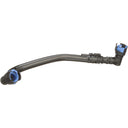

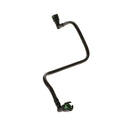
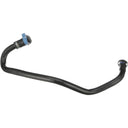


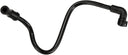


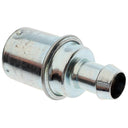
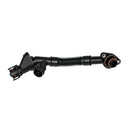





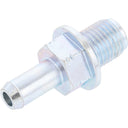


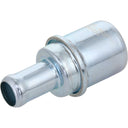


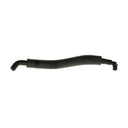
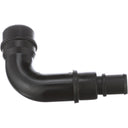


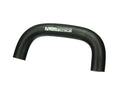

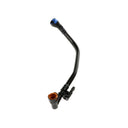
The crankcase ventilation system routes combustion blow-by gases from the engine block back into the intake to be burned, rather than venting them to atmosphere. The PCV valve is the core component - a spring-loaded check valve that regulates flow based on engine vacuum. When it sticks open or closed, or when hoses crack and collapse, you'll see oil consumption problems, rough idle, and sludge buildup that can shorten engine life significantly. Most PCV valves should be replaced every 30,000–50,000 miles or at every other major service interval, though many are overlooked entirely. Hoses, elbows, and connectors are equally failure-prone - heat cycling makes them brittle over time. When buying, match the valve to your exact engine code, not just make and model - a 2.0T and 3.0T in the same chassis often use completely different PCV configurations. OEM units are worth the premium on European vehicles with integrated oil separator systems; for domestic applications, quality aftermarket valves from Dorman, Stant, or ACDelco perform reliably at lower cost.
Signs you need replacement
- Oil consumption without visible leaks. A stuck-open PCV valve pulls excess vacuum on the crankcase, drawing oil past seals and into the intake manifold. If you're topping off oil between changes but see no puddles under the car, inspect the PCV system first.
- Rough or erratic idle with no intake leaks found. A clogged or stuck-closed PCV valve disrupts the intake vacuum signal, causing a lean surge or unstable idle - symptoms that can chase you down misfire and MAF sensor diagnostics before the real cause is found.
- Oily film inside the air intake tube or intercooler. Excessive blow-by from a failed PCV valve or collapsed breather hose pushes oil mist back through the intake tract, coating throttle bodies and intercooler cores and reducing performance.
- Cracked, collapsed, or brittle hoses on visual inspection. Breather hoses on engines with high underhood temperatures typically harden and crack after 60,000–80,000 miles. Any hose that collapses under pinch pressure or shows surface cracking should be replaced before it fails completely.
- Check engine light with codes P052E, P0171, or P0174. A lean condition triggered by unmetered air entering through a cracked PCV hose or failed vent valve will commonly set these codes - particularly on turbocharged engines where the crankcase circuit is under positive pressure at boost.
- Whistling or hissing noise from the engine bay at idle. A torn PCV hose or disconnected elbow creates a vacuum leak with an audible hiss that typically changes pitch with throttle input - a quick check before running a full smoke test.
Frequently asked questions
- How often should a PCV valve be replaced? Most manufacturers recommend replacement every 30,000–50,000 miles, though it's rarely listed as a scheduled maintenance item. A good rule: replace the PCV valve and inspect all connected hoses whenever you do spark plugs or a major tune-up. On high-mileage engines, inspect annually regardless of mileage.
- Is OEM worth the extra cost for PCV valves and breather hoses? For most domestic vehicles - GM, Ford, Chrysler - quality aftermarket brands like ACDelco, Motorcraft, and Dorman match OEM specs at lower cost. On BMW, Audi, and Volkswagen engines with integrated crankcase oil separators, OEM or OEM-equivalent parts are strongly recommended; cheap replacements often fail prematurely and can cause oil consumption issues.
- What else should I replace at the same time as the PCV valve? Replace all connected hoses, elbows, and grommets as a set - they've seen the same heat cycles as the valve itself. A new PCV valve on a cracked hose is a partial fix. Parts cost for a full kit typically runs $15–$60 for most domestic applications; European vehicles with oil separator assemblies can run $80–$250 in parts.