
Select your vehicle
Electrical Connectors


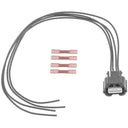


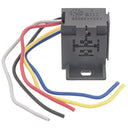
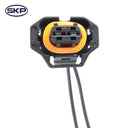

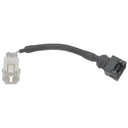
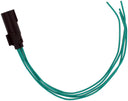

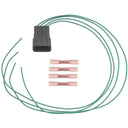


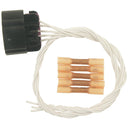
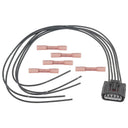
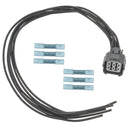


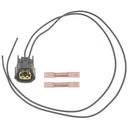
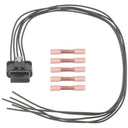
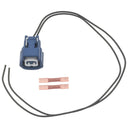
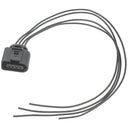


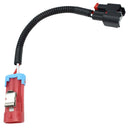

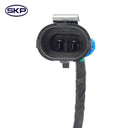
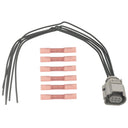
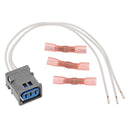
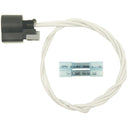
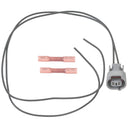

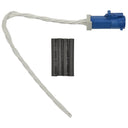
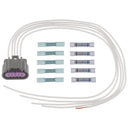
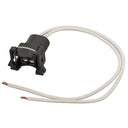

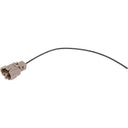

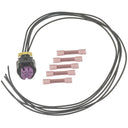
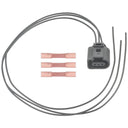

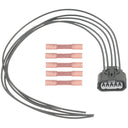
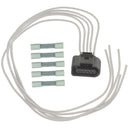


Emission control electrical connectors are the wiring interface between your vehicle's ECM and the sensors, solenoids, and valves that manage evaporative emissions, exhaust recirculation, and air quality compliance. A cracked housing, corroded terminal, or broken locking tab on any one of these connectors - whether it's the vapor canister purge valve, MAF sensor, EGR valve solenoid, or DPF pressure sensor - can trigger a fault code and put your vehicle into a limp mode or emissions failure. These connectors don't wear on a fixed schedule; they fail from heat cycling, road debris, and rough handling during unrelated repairs. When sourcing replacements, OEM-spec connectors with the correct terminal count, wire gauge rating, and weatherproof sealing are critical - a near-fit plug that doesn't fully lock can cause intermittent codes that are harder to diagnose than the original fault. Verify fitment by connector family (Metri-Pack, Weather Pack, Delphi GT series) and pin count, not just by application description.
Signs you need replacement
- Check engine light with emission-related fault codes - codes like P0443 (purge valve circuit), P0401 (EGR flow insufficient), P0101 (MAF sensor range), or P2463 (DPF restriction) can all stem from a failed connector rather than the component itself.
- Intermittent or hard no-start with rough idle - a loose or corroded MAF sensor connector disrupts airflow data, causing the ECM to miscalculate fuel trim and producing stalling, surging, or a rich-running condition at idle.
- Failed emissions inspection despite a functioning sensor or valve - if the component tests good in isolation but the system still faults, inspect the connector for pushed-back terminals, green corrosion on pins, or a locking tab that no longer secures the plug.
- Visible cracking, melting, or brittleness on the connector body - connectors near the exhaust manifold or EGR system are exposed to sustained heat; a housing that flexes or crumbles when handled needs replacement before it causes an open circuit.
- Diesel-specific warning lights for DEF system or DPF regeneration failure - DEF pump connectors and DPF pressure sensor connectors are vulnerable to moisture intrusion; corrosion inside the plug can mimic pump failure and trigger unnecessary component replacements.
Frequently asked questions
- How do I know which connector fits my specific vehicle - can't I just match the plug shape? Shape alone isn't reliable. Many emission connectors share housings across unrelated applications but differ in terminal position, wire gauge, or sealing class. Match by OEM part number when possible, or identify the connector family and pin count from a wiring diagram. Application filters here are accurate, but always confirm terminal count before ordering.
- Are aftermarket emission control connectors as reliable as OEM? Quality varies significantly. Better aftermarket connectors use nylon 66 housings and tin- or gold-plated terminals rated for the same temperature range as OEM - typically –40°F to 275°F for underhood applications. Avoid unbranded connectors with no temperature or IP rating listed. For DEF and DPF connectors specifically, OEM or Tier 1 aftermarket (Standard Motor Products, Dorman, ACDelco) is worth the modest price premium.
- What does an emission control connector replacement cost, and is it a DIY job? Individual connectors run $8–$35 depending on pin count and sealing type. Most are straightforward DIY replacements - squeeze the locking tab, unplug, transfer wires to the new pigtail, and heat-shrink or solder the splice. Budget 30–60 minutes per connector. If you're replacing a connector, inspect the mating terminals on the sensor or solenoid side at the same time; corroded pins on that side can recontaminate a new plug within weeks.