
Select your vehicle
Gaskets and Sealing Systems


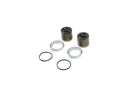


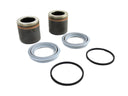



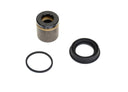


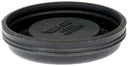


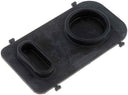


Brake system gaskets and seals are small parts that do critical work - keeping brake fluid contained, contaminants out, and vacuum pressure stable across the entire braking system. This collection covers reservoir cap gaskets, master cylinder O-rings, power brake booster seals and vacuum pump seals, backing plate dust covers, and axle hub O-rings. Most of these components fail gradually: rubber degrades from heat cycling, brake fluid exposure, and age rather than sudden failure. Reservoir cap gaskets and master cylinder O-rings are typically replaced every 3–5 years or whenever a master cylinder or booster is serviced. When shopping, prioritize EPDM or nitrile rubber construction for fluid compatibility - cheap seals can swell or harden prematurely. Always verify part numbers against your vehicle's make, model, and production date, since master cylinder bore diameter and booster port sizing vary even within the same model year range.
Signs you need replacement
- Brake fluid level drops without a visible external leak. A degraded master cylinder reservoir cap gasket or master cylinder O-ring can allow fluid to seep internally or evaporate, causing unexplained fluid loss without puddles under the vehicle.
- Brake pedal feels soft, spongy, or slowly sinks under steady pressure. A failing power brake booster seal or vacuum pump seal can allow air intrusion or vacuum loss, reducing pedal firmness and assist - especially noticeable on the first press after the vehicle sits.
- Hissing noise from the brake booster area when the pedal is depressed. This typically indicates a torn or hardened booster seal allowing vacuum to escape past the diaphragm housing, and usually requires booster seal or full booster replacement.
- Brake dust or road grit building up on the wheel hub or rotor hat area. Worn backing plate dust hole covers lose their seal and allow contamination into the braking assembly, which can accelerate rotor and pad wear.
- Grease or axle lubricant visible on the inside face of the wheel or rotor. A degraded axle hub O-ring can allow bearing grease migration outward, contaminating brake components and significantly reducing stopping performance.
- Moisture or milky discoloration visible inside the brake fluid reservoir. A compromised reservoir cap gasket can allow condensation into the system, lowering the fluid's boiling point and accelerating corrosion in the master cylinder bore.
Frequently asked questions
- How often should brake master cylinder O-rings and reservoir cap gaskets be replaced? Most manufacturers recommend inspecting these seals every 2 years or 30,000 miles, with replacement every 4–6 years regardless of visible condition. Brake fluid is hygroscopic and accelerates rubber degradation from the inside out - proactive replacement during any master cylinder or fluid flush service is good practice.
- Are OEM brake booster seals worth the price over aftermarket options? OEM seals are spec'd to exact durometer and compound for your booster, which matters because incorrect hardness causes vacuum leaks even if dimensions match. Quality aftermarket seals from brands like Dorman or ACDelco are acceptable, but avoid generic unbranded kits - booster seal failure directly affects brake assist and safety.
- What else should I replace when servicing a power brake booster seal? Replace the booster-to-master cylinder mounting gasket at the same time, and inspect the vacuum check valve and hose. Labor to access the booster is the same regardless of how many seals you replace. DIY difficulty is moderate - expect 1–2 hours on most vehicles, with brake line disconnection adding complexity on some platforms.