
Select your vehicle
Dashboard


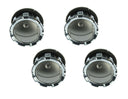


Dashboard components cover everything from the air vents directing airflow to your face and feet, to the rheostat controlling instrument cluster brightness, to trim panels and protective covers that keep the dash looking intact. Air vents are the most commonly replaced piece - clips and pivot louvers crack or break from years of adjustment and UV exposure, and replacement is straightforward on most platforms. Rheostats fail gradually, causing dim or non-adjustable gauge lighting. When buying air vents, confirm the vent location (center, side, or defrost) and trim color or finish - fitment is highly year-, make-, and model-specific, and even minor mid-cycle refreshes can change clip patterns. OEM units match factory tolerances exactly; quality aftermarket pieces from brands like Dorman are cost-effective for older vehicles where originality isn't a concern. Dashboard covers and panels are typically one-shot replacements - measure carefully and verify part numbers before ordering.
Signs you need replacement
- Air vent louvers won't stay positioned or spin freely with no resistance - the internal pivot pins or retaining clips have broken, which is common after 8–12 years on plastic vents exposed to heat cycling.
- Airflow from a specific vent is noticeably weaker than others - a collapsed or detached vent duct connection behind the dash is often the cause, not the blower motor itself.
- Instrument cluster lighting won't dim or brighten when you turn the dash brightness knob - the rheostat (dimmer switch) has worn out internally; this is distinct from a bulb or fuse issue.
- Gauge lighting flickers or cuts out intermittently when you adjust the dimmer - early sign of a failing rheostat with a worn resistor track before it fails completely.
- Dashboard surface is cracked, warped, or lifting in sections - a dashboard cover can restore appearance without a full pad replacement, typically saving $200–$600 in labor on vehicles where OEM pads are no longer available.
- Trim panel around vents or instrument cluster is cracked, discolored, or has broken mounting tabs - broken tabs cause rattles and allow the panel to shift, which can interfere with adjacent switches or screens.
Frequently asked questions
- Are dashboard air vents universal, or do I need an exact vehicle-specific fit? Vents are vehicle-specific - duct diameter, mounting clip pattern, and bezel shape all vary by make, model, and model year. Use your VIN when ordering to confirm fitment. Even trucks and SUVs from the same manufacturer often share zero interchangeable vent parts across trim levels or cab configurations.
- Is OEM worth it for a dashboard air vent replacement, or is aftermarket fine? For daily drivers under 150,000 miles, quality aftermarket vents (Dorman is the most common supplier) are a practical choice at $8–$35 per vent versus $25–$90 OEM. For newer vehicles still under warranty or where color-match to adjacent trim matters, OEM is the safer call - aftermarket plastic can differ slightly in sheen or texture.
- How difficult is it to replace a dashboard air vent yourself, and what does it typically cost? Most air vent replacements are DIY-friendly - the vent usually unclips or unscrews from the front face without removing the dashboard. Budget $10–$40 per vent in parts and 15–30 minutes per location. Rheostat replacement is slightly more involved, typically requiring cluster or switch panel removal, and runs $20–$80 in parts with about one hour of labor at a shop.