
Select your vehicle
Electrical Connectors
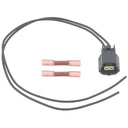

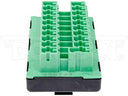

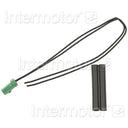
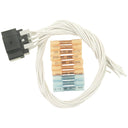
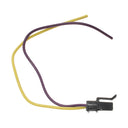
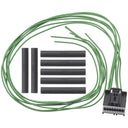

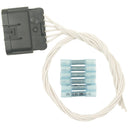
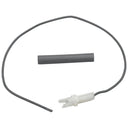
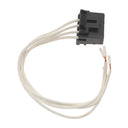
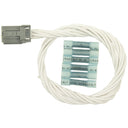
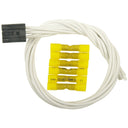
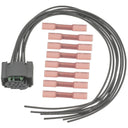
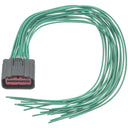
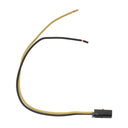
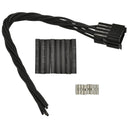
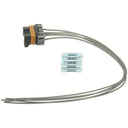
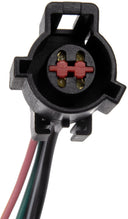
Body electrical connectors are the weatherproof plugs and terminals that keep your vehicle's interior and exterior circuits talking to each other. The parts in this collection cover power seat systems - harness connectors, motor connectors, switch connectors, and control module connectors - along with sun visor light connectors, hood ajar indicator switch connectors, and tailgate wiring harness extension connectors. These components don't wear on a fixed schedule, but age, heat cycling, moisture intrusion, and rodent damage are the most common failure causes. A cracked housing or corroded terminal pin can mimic a failed motor or faulty switch, making diagnosis frustrating. When buying, prioritize connectors with the correct terminal count, wire gauge rating, and locking tab design for your specific year, make, and model - fitment is tight on power seat and tailgate circuits. OEM-spec connectors use the same nylon grades and gold- or tin-plated terminals as the factory assembly, which matters for long-term corrosion resistance in high-moisture areas like door sills and tailgates.
Signs you need replacement
- Power seat stops moving in one or more directions - but the motor and switch test fine. A corroded or cracked power seat harness or motor connector can interrupt the circuit to specific seat tracks, causing partial or complete loss of adjustment.
- Interior dome or visor light flickers or won't illuminate - even after bulb replacement. Sun visor light connectors are prone to terminal push-back and green corrosion, especially in high-humidity climates, producing intermittent open circuits.
- Hood ajar warning stays on with the hood fully closed - and the switch itself checks out. A damaged hood ajar indicator switch connector can hold the circuit in a false-triggered state, draining attention and occasionally battery life.
- Tailgate electrical functions are erratic or dead - including release solenoids, rear wiper, or camera power. The tailgate wiring harness extension connector flexes every time the gate opens and eventually cracks at the housing or fatigues the terminal crimps.
- Visible melting, discoloration, or burnt smell at a connector body - indicates excessive resistance from poor contact, which generates heat. Replace the connector immediately; continued use risks wiring damage beyond the connector itself.
Frequently asked questions
- Are these connectors vehicle-specific, or will a universal connector work? Body electrical connectors are almost always vehicle-specific. Terminal count, cavity spacing, locking tab orientation, and wire seal diameter vary by platform. Using a universal connector risks poor sealing and terminal misalignment. Always match by year, make, model, and the specific circuit - especially for power seat and tailgate applications where multiple connectors look nearly identical.
- Should I buy OEM or aftermarket for power seat connectors? OEM connectors are the safest choice for power seat circuits, which carry continuous current and cycle frequently. Quality aftermarket options that meet OEM specifications are acceptable, but avoid no-brand connectors with unplated brass terminals - they corrode faster and can cause the intermittent faults you're trying to fix. Check that the housing material is rated for the operating temperature of your seat zone.
- How difficult is it to replace a body electrical connector, and what else should I replace at the same time? Most body connector swaps are straightforward - depin the old terminals, transfer or replace wires, and seat the new housing. Budget 30–90 minutes depending on access. Connectors typically run $10–$45 each. If you're replacing a power seat harness connector due to corrosion, inspect the mating pigtail and adjacent connectors on the same circuit - corrosion rarely stops at one point.