
Select your vehicle
Electrical Connectors


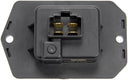

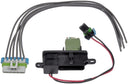
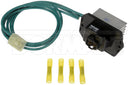


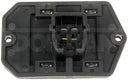
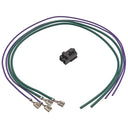
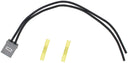
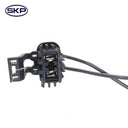

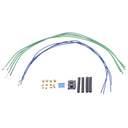
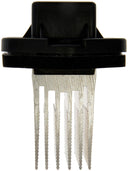

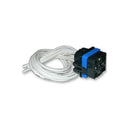


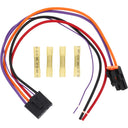

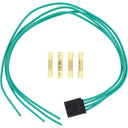


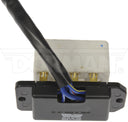


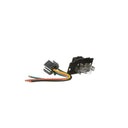

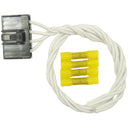


HVAC electrical connectors are the wiring interfaces that link your climate control system's components - blower motors, blend door actuators, A/C compressor clutches, temperature sensors, relays, and more - to the vehicle's power and control circuits. Most failures aren't caused by the component itself, but by a degraded connector: corroded terminals, melted plastic housings (especially common on blower motor resistor connectors, which sit directly in the airflow path and run hot), or broken locking tabs that cause intermittent contact. The blower motor resistor connector is by far the most frequently replaced piece in this category, and it's often sold as a kit with the resistor itself - check whether you need just the connector pigtail or the full kit. When buying, confirm the connector body type, terminal count, and wire gauge rating match your application. OEM-spec connectors use weatherproof seals and heat-resistant nylon; budget alternatives sometimes skip both, leading to repeat failures. Always filter by year, make, and model before ordering - connector designs change mid-production-year on many platforms.
Signs you need replacement
- Blower motor runs only on one or two fan speeds - this typically points to a failing blower motor resistor, but a melted or corroded resistor connector causes identical symptoms and is often the actual culprit. Inspect the connector before replacing the resistor.
- Burnt plastic smell from the dash or under the hood - blower motor resistor connectors are prone to thermal damage from high current draw; a burned or discolored connector housing means the connector needs immediate replacement before it damages surrounding wiring.
- A/C clutch doesn't engage or engages intermittently - a faulty A/C compressor clutch connector or clutch cycle switch connector can interrupt the engagement signal, mimicking a bad clutch coil or relay when the actual failure is just a broken terminal or corroded pin.
- Temperature blend doesn't respond or is stuck on one setting - blend door actuator connectors and mode valve actuator connectors carry low-voltage control signals; corrosion or a cracked connector body will cause erratic or no response from the actuator even if the motor itself is fine.
- Climate control error codes related to sensors - DTCs pointing to cabin air temperature sensors or duct air temperature sensors (B-codes on most platforms) are frequently caused by a bad connector rather than a failed sensor; check the connector first before buying the sensor.
- Visible corrosion, green oxidation, or broken locking tabs on a connector - any connector showing terminal corrosion, cracked housing, or a tab that no longer locks the connector body in place should be replaced proactively, especially in high-vibration or high-heat locations.
Frequently asked questions
- How often do HVAC electrical connectors need to be replaced? There's no fixed interval - connectors are replaced on failure or during related repairs. Blower motor resistor connectors commonly fail between 80,000–150,000 miles due to heat cycling. In high-humidity climates, corrosion-related failures tend to appear earlier, especially on underhood A/C compressor and relay connectors.
- Is OEM worth it over aftermarket for HVAC connectors, or will any pigtail work? For high-current connectors like the blower motor resistor pigtail, OEM or OEM-equivalent connectors with proper terminal plating and heat-resistant housings are worth the small price difference. For low-current signal connectors (sensor and actuator pigtails), quality aftermarket options from Standard Motor Products or Dorman perform reliably at lower cost.
- Can I replace just the connector, or do I need to replace the resistor and connector together? If the resistor tests good but the connector shows heat damage, replacing only the connector pigtail is the correct repair - many are available as standalone pigtails. However, if the resistor itself is burned or the terminals are fused together, replace both. Many listings here include the resistor kit with the connector for convenience.