
Select your vehicle
Sensors


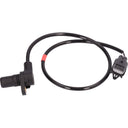


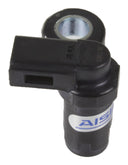

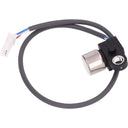
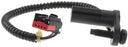

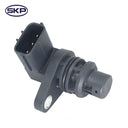

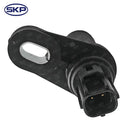
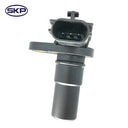
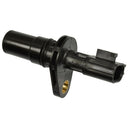
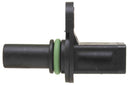
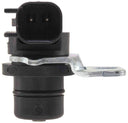

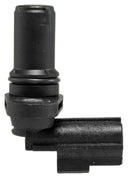
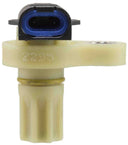
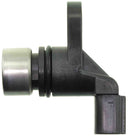
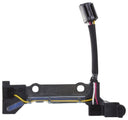


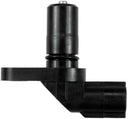


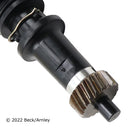


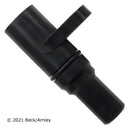

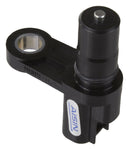
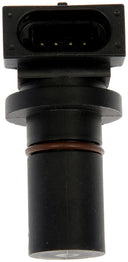


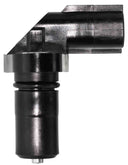
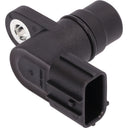
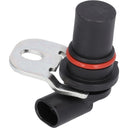
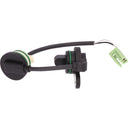
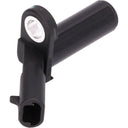
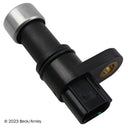
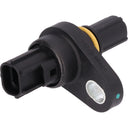
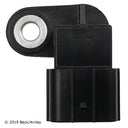
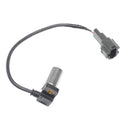
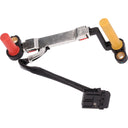
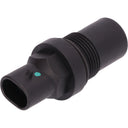
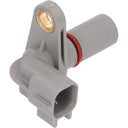
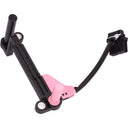
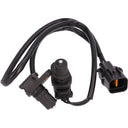
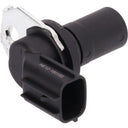
Transmission sensors monitor shaft speeds, fluid temperature, gear position, and oil pressure - feeding real-time data to your vehicle's TCM (transmission control module) to manage shift timing, torque converter lockup, and overall drivetrain behavior. When one fails, the TCM loses the feedback it needs, and the transmission responds with hard shifts, erratic behavior, or a full limp-mode lockout. Most sensors don't follow a fixed replacement interval; they fail on condition, typically between 80,000–150,000 miles, though heat cycles and fluid contamination can accelerate wear. This catalog covers 344 parts across all major sensor types - input and output shaft speed sensors, fluid temperature sensors, gear position sensors, oil pressure sensors, and more - for both automatic and manual transmissions. When buying, prioritize sensors that match your vehicle's connector type and signal output (analog vs. digital); mismatches cause fault codes even with a brand-new part. OEM-equivalent sensors from brands like Standard Motor Products or Delphi are solid choices where factory parts are cost-prohibitive.
Signs you need replacement
- Erratic or delayed shifts under normal driving conditions. A failing output shaft speed sensor or input shaft speed sensor gives the TCM inconsistent speed data, causing it to mistime upshifts and downshifts - often most noticeable between 2nd and 4th gear at highway on-ramps.
- Transmission stuck in limp mode (typically 2nd or 3rd gear only). Many automatic transmissions default to a single fixed gear when a speed or gear position sensor throws a fault code - a protective response that won't clear until the underlying sensor is replaced and the code is reset.
- Speedometer reads zero or fluctuates erratically. Output shaft speed sensors often feed both the TCM and the instrument cluster. A failed sensor can knock out your speedometer entirely, which is also a safety and inspection concern beyond the transmission itself.
- Stored codes P0700–P0799 or P0715–P0722 range. These OBD-II codes point specifically to transmission speed sensor circuits and input/output rationality faults. Pull the full code set before ordering - P0715 (input speed sensor) and P0720 (output speed sensor) each point to a different physical location.
- Overheating transmission or abnormal fluid temperature warnings. A failed automatic transmission fluid temperature sensor or torque converter temperature sensor can cause the TCM to mismanage cooling strategies, leading to overheating that accelerates clutch pack and seal wear if left unaddressed.
- Clutch engagement problems on manual transmissions. A faulty clutch sensor or manual transmission speed sensor can interfere with rev-matching systems, hill-hold assist, or clutch position detection on modern manual-equipped vehicles - often flagged through a PRNDL/clutch circuit fault code.
Frequently asked questions
- Do transmission sensors need to be replaced at a set mileage interval? No - these are condition-based replacements, not scheduled maintenance items. Most sensors last the life of the vehicle, but heat, contaminated fluid, and vibration can cause failure anywhere from 80,000 to 150,000+ miles. Replace on symptom and confirmed fault code, not mileage alone.
- Should I use OEM or aftermarket transmission sensors? OEM sensors guarantee connector fit and signal output compatibility, but quality aftermarket brands like Standard Motor Products, Delphi, and Dorman use the same specs and typically cost 40–60% less. Avoid unbranded sensors - signal calibration tolerances vary and can cause intermittent codes that are harder to diagnose than the original failure.
- How difficult is it to replace a transmission speed sensor, and what's the typical cost? Most external-mount speed sensors are straightforward DIY jobs - one bolt, one connector, no transmission disassembly required. Expect 15–45 minutes of labor and $20–$80 for the part. Internal sensors like gear position or oil pressure sensors may require pan removal or professional access. Always drain fluid to the sensor level before removal to minimize spillage.