
Select your vehicle
Hardware, Fasteners and Fittings


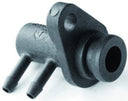


Emission control hardware keeps your engine's closed-loop systems sealed, vented, and connected the way the manufacturer intended. This category covers the small but critical pieces - PCV valve grommets, crankcase breather caps, EGR line fittings, DEF filler caps, oxygen sensor bung plugs, flame trap nipples, and vacuum line fittings - that hold the emission control system together. Most of these parts are made from rubber, nylon, or aluminum and degrade from heat cycling, oil exposure, and age rather than mileage. When a grommet cracks or a fitting corrodes, the result is usually a vacuum leak or crankcase pressure imbalance that triggers a check engine light and disrupts fuel trims. When buying, prioritize OEM-spec materials: a PCV grommet that's undersized by even a millimeter won't seal properly. For DEF filler caps, verify fitment by year and tank manufacturer - they're not universally interchangeable. Most parts here cost under $20 and take minutes to swap.
Signs you need replacement
- Rough idle or vacuum leak hiss - A cracked PCV valve grommet or failed vacuum line fitting lets unmetered air into the intake, causing erratic idle, lean fuel trims, and sometimes an audible hiss near the valve cover or intake manifold.
- Oil mist or residue around the valve cover - A deteriorated crankcase breather cap or hose grommet can't maintain proper crankcase pressure, allowing oil vapor to escape and coat nearby components.
- Check engine light with codes P0171, P0174, or EGR-related codes - Vacuum leaks from cracked fittings or plugs directly affect fuel trim calculations and EGR flow readings, often throwing lean or EGR malfunction codes.
- DEF warning light or contamination message - A missing or damaged DEF filler cap allows moisture and debris into the DEF tank, which can contaminate the fluid and trigger SCR system warnings on diesel vehicles.
- Failed emissions test with no obvious fault - Small leaks in vacuum fittings or an unseated oxygen sensor bung plug can alter O2 sensor readings enough to skew emissions results without setting a hard code.
Frequently asked questions
- How often should PCV valve grommets be replaced? There's no fixed interval, but inspect them any time you replace the PCV valve - typically every 30,000–50,000 miles. Rubber grommets on high-heat engines (turbocharged, high-compression) tend to harden and crack sooner. Replace immediately if you see cracking, deformation, or oil seepage around the grommet seat.
- Are aftermarket PCV grommets and EGR fittings reliable, or should I stick with OEM? For grommets and rubber components, OEM or OEM-equivalent parts from suppliers like Dorman or ACDelco are generally fine. The critical spec is material durometer and inner diameter - cheap universal grommets often run soft and won't hold their shape under heat. For EGR line fittings, OEM is preferred since thread pitch and material must match exactly to prevent leaks.
- What else should I replace when swapping out a PCV grommet or crankcase breather cap? Replace the PCV valve itself and inspect the attached hose for cracking or oil saturation - these all fail around the same time and the parts together typically cost $15–$40. On vehicles with a flame trap in the breather circuit, inspect it for oil clogging as well. Doing it all at once avoids a repeat job within a few months.