
Select your vehicle
Telematics Systems and Components


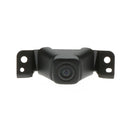


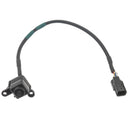


Park assist cameras, lane departure cameras, and their supporting components are the eyes of your vehicle's safety and driver-assistance systems. Park assist cameras typically fail due to lens fogging, physical damage from minor impacts, or moisture intrusion into the housing - symptoms that usually show up between 60,000–100,000 miles, though earlier on vehicles frequently used in tight parking situations. Lane departure cameras are more sensitive to windshield contamination and mounting angle shifts, which can trigger false warnings or complete system dropout. When buying replacements, OEM units guarantee plug-and-play compatibility with your vehicle's existing ADAS modules and image processors - critical for systems that require calibration. Quality aftermarket cameras from brands like Brandmotion or Bosch can work well but confirm the camera matches your original's resolution spec and connector pinout. For multi-camera systems, replacing a single unit from a different manufacturer can cause calibration conflicts.
Signs you need replacement
- Rearview or surround-view image is blurry, distorted, or shows a fixed smear that doesn't clear after washing - the lens coating may be degraded or moisture has entered the sealed housing.
- Backup camera displays a black screen or cuts in and out when the vehicle shifts into reverse, pointing to a failed camera module, damaged wiring harness connector, or corroded ground.
- Lane departure warning triggers randomly or stops activating entirely on clearly marked roads, indicating the forward camera has a misaligned mounting position, obstructed lens, or failing image sensor.
- Park assist gridlines or distance markers appear frozen or misaligned on the infotainment display, often caused by a camera that has physically shifted in its mount after a minor impact.
- Park assist camera washer nozzle fails to clear the lens in rain or mud, leaving the camera obscured - common on vehicles where the nozzle orifice clogs with mineral deposits or the solenoid fails.
- ADAS warning light illuminates on the dash with a stored DTC pointing to a camera circuit fault, low voltage to the camera module, or a loss of communication between the camera and the ADAS control unit.
Frequently asked questions
- Do park assist cameras need to be calibrated after replacement? Yes - most modern vehicles require a static or dynamic calibration after any camera swap, especially lane departure and surround-view cameras. Park assist cameras on some older systems are self-calibrating, but 2015-and-newer vehicles with integrated ADAS typically need dealer or shop calibration using a scan tool and target board.
- Is an aftermarket park assist camera as reliable as OEM for daily use? For basic reverse cameras on older platforms, quality aftermarket units work fine and can save $100–$300 over OEM pricing. On vehicles with integrated surround-view, object detection, or trailer-assist features, OEM is strongly preferred - aftermarket cameras often lack the exact resolution or signal output required for those systems to function correctly.
- How much does park assist or lane departure camera replacement typically cost, and is it a DIY job? Camera units run $40–$350 depending on make, model, and camera type; OEM parts for luxury vehicles can exceed $500. Swapping a basic rear bumper camera is a straightforward DIY task (1–2 hours). Lane departure cameras mounted near the rearview mirror are also accessible, but budget an additional $100–$200 for professional ADAS recalibration afterward.