
Select your vehicle
Hardware, Fasteners and Fittings
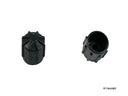


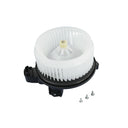



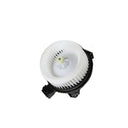


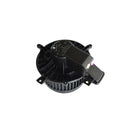


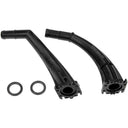


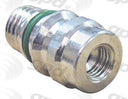
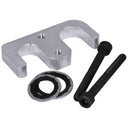
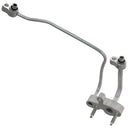


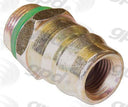


HVAC hardware, fasteners, and fittings are the small parts that keep your heating and cooling system sealed, mounted, and connected - and they fail more often than most techs expect. This collection covers heater hose fittings and retainer clips, air distribution duct clips, A/C service valve caps, high and low side charging adapters, air outlet retainers, compressor mounting bolts, and heater coolant glow plugs across 38 SKUs. Hose fittings and retainer clips are common failure points on high-mileage vehicles, especially in freeze-thaw climates where plastic becomes brittle and aluminum corrodes. When replacing, match the barb diameter and thread spec exactly - a 5/8" heater hose fitting is not interchangeable with a 3/4" unit even if it threads in. For A/C charging adapters and valve caps, verify Schrader valve compatibility and whether your system uses R-134a or R-1234yf fittings. OEM plastic clips tend to be the safest bet for duct and outlet retainers since aftermarket tolerances can vary enough to cause rattles or poor seal.
Signs you need replacement
- Coolant smell or wet carpet inside the cabin. A cracked or loose heater hose fitting at the firewall or heater core inlet is a common source - pressure causes seepage that wicks into the footwell insulation before you see drips.
- A/C vent grilles vibrating or popping loose. Broken air outlet retainers or missing duct clips let panels flex against the dash structure; the rattle is usually most noticeable over rough pavement or at idle with the blower on high.
- Refrigerant loss with no visible leak at lines or compressor. Degraded or missing A/C service valve caps allow slow refrigerant migration through the Schrader valve - the cap itself is the secondary seal, not just a dust cover.
- Heater hose slipping or blowing off at the fitting. A worn or cracked retainer clip fails to lock the quick-connect hose to the heater core or engine fitting, especially after repeated heat cycling above 200°F.
- Compressor body vibration or belt misalignment after recent A/C work. A missing or sheared compressor mounting bolt shifts the compressor's position under load, accelerating belt wear and potentially damaging the bracket.
- Hard start or rough idle in cold weather on diesel-equipped vehicles. Faulty heater coolant glow plugs prevent adequate cylinder preheat, showing up as extended cranking or misfires below 40°F.
Frequently asked questions
- How often do heater hose fittings and retainer clips need to be replaced? There's no fixed interval, but inspect them whenever you service the cooling system - typically every 30,000 miles or with every coolant flush. Plastic quick-connect retainers are especially prone to cracking after 100,000 miles or 10 years of heat cycling. Replace any clip that shows whitening, cracking, or won't click fully into position.
- Do A/C charging adapters need to match my system's refrigerant type? Yes - R-134a and R-1234yf systems use different port thread sizes and adapter fittings specifically to prevent cross-contamination. Most vehicles built after 2021 use R-1234yf. Check your underhood sticker or owner's manual before ordering a high or low side adapter. Using the wrong adapter can damage valves or void refrigerant certification compliance.
- Can I replace a broken duct clip or hose retainer myself, and what should I replace at the same time? Most duct clips and retainer clips are straightforward DIY repairs requiring basic hand tools - 15 to 30 minutes per fitting. Cost is typically $2–$15 per clip or fitting. When replacing a heater hose retainer, inspect the full hose run and both end fittings simultaneously; replacing just the clip on a hose that's soft or swollen will likely mean a repeat repair within a season.