
Select your vehicle
Sensors


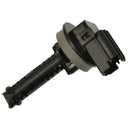


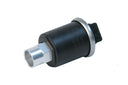

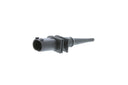

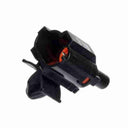
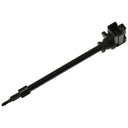
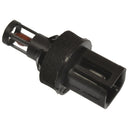
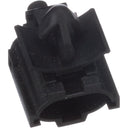

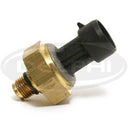

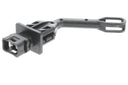
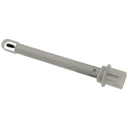
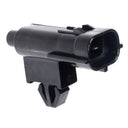
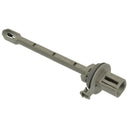

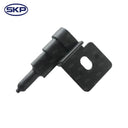


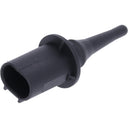


HVAC sensors monitor temperatures, pressures, and airflow conditions to keep your climate control system running accurately - ambient air temperature sensors feed outside temp data to the ECU and HVAC module, while cabin and heater core temperature sensors help regulate interior comfort. A/C evaporator and refrigerant sensors protect the system from freezing or overpressure conditions. These sensors don't follow a strict mileage replacement schedule; they typically fail from corrosion, heat cycling, or connector damage over time, often between 80,000–150,000 miles. When buying, confirm the connector type and mounting configuration match your application - many sensors look identical across makes but use different resistance curves or voltage ranges, so OEM or OEM-equivalent parts are worth the small price premium. Budget aftermarket sensors can introduce inaccurate readings that are harder to diagnose than a clean failure.
Signs you need replacement
- Inaccurate outside temperature reading on your dash - the ambient air temperature sensor is usually the culprit, especially if the reading is stuck, erratic, or shows a temperature that's 10°F or more off from actual conditions.
- A/C blows warm despite compressor engaging - a failed A/C evaporator temperature sensor can fail to signal the system to cycle correctly, causing poor cooling or inconsistent compressor operation.
- Heater output feels inconsistent or the blend door hunts constantly - a faulty heater core or cabin air temperature sensor can send bad feedback to the HVAC module, causing the system to overcorrect temperature continuously.
- A/C compressor not engaging or cutting out prematurely - refrigerant pressure and temperature sensors protect the compressor from running under unsafe conditions; a bad reading can prevent engagement entirely even when refrigerant charge is correct.
- Climate control stuck in manual mode or automatic mode unavailable - on vehicles with automatic climate control, a failed cabin temperature sensor will often trigger a fault that forces the system into manual operation or throws a dash warning.
- HVAC-related DTCs stored (e.g., B1xxx codes) - sensor failures typically throw body control or HVAC-specific fault codes; if you're chasing a climate code before full diagnosis, a sensor is a high-probability and low-cost starting point.
Frequently asked questions
- How do I know which HVAC sensor my vehicle needs - there are eight different types listed here? Start with your symptom or stored DTC. Ambient sensors affect outside temp display and auto climate input; evaporator and refrigerant sensors relate to A/C performance; cabin and heater core sensors affect interior temperature regulation. Your factory service manual or a scan tool with live data will confirm which sensor is out of range before you order.
- Is OEM worth the extra cost for HVAC sensors, or will a quality aftermarket part work fine? For most ambient and cabin temperature sensors, a reputable aftermarket brand (Four Seasons, ACDelco, Dorman) will perform reliably if the resistance curve and connector match exactly. For refrigerant pressure and evaporator sensors, stick closer to OEM spec - incorrect pressure thresholds can damage the compressor or cause nuisance cutouts that are difficult to trace.
- How much do HVAC sensors cost, and can I replace one myself? Most sensors run $15–$60 for the part; refrigerant pressure sensors can reach $80–$120 on European makes. Ambient and cabin temperature sensors are straightforward DIY - typically a single connector and one screw, 15–30 minutes. Evaporator sensors on some vehicles require partial dash disassembly. Refrigerant pressure sensors may require recovering the A/C charge first, which requires shop equipment.