
Select your vehicle
Electrical Connectors


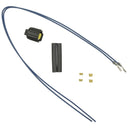

Steering electrical connectors maintain the signal and power pathways between your vehicle's steering column wiring harness, power steering pressure switch, control module, angle sensor, and airbag clockspring coil. These connectors fail most often due to heat cycling, corrosion from road moisture, or physical damage during unrelated repairs - symptoms can range from intermittent power steering assist loss to airbag warning lights and stability control faults. Unlike mechanical steering parts, connectors rarely have a set replacement interval; they're typically replaced on condition or when a related component (pressure switch, steering angle sensor, control module) is being serviced. When sourcing replacements, prioritize connectors with the correct terminal count, wire gauge rating, and OEM-style locking tabs - a loose or mismatched connector causes the same fault codes as a failed sensor. For airbag coil connectors specifically, always verify your vehicle's clockspring part number first, as connector designs vary significantly across model years even within the same platform.
Signs you need replacement
- Power steering assist cuts in and out at low speeds. A corroded or loose power steering pressure switch connector disrupts the signal the control module uses to adjust assist levels - often mimics a failing pump or rack before the connector is inspected.
- Airbag or SRS warning light stays on after a steering column repair. The clockspring coil connector is easily disturbed when removing the steering wheel; a damaged or improperly seated connector will trigger a persistent fault code even if the clockspring itself is intact.
- Stability control, lane-keep assist, or traction control faults appear together. The steering angle sensor feeds multiple chassis systems - a failing connector at this sensor produces a cluster of seemingly unrelated warning lights rather than a single steering code.
- Visible corrosion, melting, or burnt plastic on the connector body. Overheating from a high-resistance connection or a short in the wiring harness causes terminal discoloration and brittle plastic; the connector should be replaced before the damage spreads to the harness itself.
- Intermittent horn, cruise control, or audio controls on the steering wheel. These functions route through the steering column wiring harness connector - erratic behavior that clears when you wiggle the column shroud points directly to a failing multi-pin connector rather than the individual switches.
Frequently asked questions
- Do steering electrical connectors need to be replaced on a set schedule? No fixed interval applies - these are replaced on condition or when servicing an adjacent component. That said, vehicles over 10 years old or with high mileage (150,000+ miles) in salt-belt regions should have connectors inspected for corrosion whenever the steering system is opened up for other repairs.
- Are aftermarket steering connectors reliable, or should I stick with OEM? For most connectors - pressure switch, column harness, control module - quality aftermarket units from brands like Dorman or Standard Motor Products are reliable and significantly less expensive than dealer parts. For the airbag clockspring coil connector, OEM or OEM-equivalent is strongly recommended given the safety implications of an intermittent connection in the SRS circuit.
- How difficult is it to replace a steering connector, and what else should I check at the same time? Most connectors swap in under 30 minutes with basic hand tools - the biggest challenge is accessing the column harness connector behind the dash trim. While you're in there, inspect the adjacent terminal pins for bending and the wiring for chafing. If replacing a pressure switch connector, change the switch itself; they're often sold together and labor overlap makes it cost-effective.