
Select your vehicle
Horns
| Image | Part | Brand | Part number | Position | Availability | |
|---|---|---|---|---|---|---|

|
Horn Kit |

Mopar
|
56046744AB | — | $76.97 | In stock
|

|
Horn Kit |
Mopar
|
68386895AA | — | $48.48 | In stock
|

|
Horn HELLA OE Certified |

Hella
|
007728981 | — | $82.19 | In stock
|

|
Horn |

Genuine
|
61338379712 | — | $73.74 | In stock
|

|
Horn |

Dorman
|
926-572 | — | $42.02 | In stock
|
|
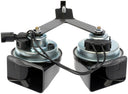
Horn |
Dorman
|
926-571 | — | $42.55 | In stock
|

|
Horn |

Standard Ignition
|
HN50 | — | $51.77 | In stock
|

|
Horn Kit |
Mopar
|
68386896AA | — | $96.32 | In stock
|

|
Horn VEMO |

Vemo
|
V20-77-0312 | — | $55.60 | In stock
|

|
Horn VEMO |
Vemo
|
V10-77-0934 | — | $124.24 | In stock
|

|
Horn VEMO |
Vemo
|
V10-77-0931 | — | $154.29 | In stock
|

|
Horn |
Hella
|
012588291 | — | $49.17 | In stock
|

|
Horn |
Standard Ignition
|
HN37 | — | $38.49 | In stock
|

|
Horn |
Hella
|
011225831 | — | $50.47 | In stock
|

|
Horn |
Genuine
|
61337833013 | — | $43.24 | In stock
|

|
Horn |
Standard Ignition
|
HN35 | — | $82.15 | In stock
|

|
Air Horn Kit VEMO |
Vemo
|
V20-77-0005 | — | $41.23 | In stock
|

|
Horn VEMO |
Vemo
|
V10-77-0924 | — | $60.76 | In stock
|

|
Horn VEMO |
Vemo
|
V30-77-0151 | — | $36.81 | In stock
|

|
Horn |
Standard Ignition
|
HN43 | — | $146.23 | In stock
|

|
Horn Hella |
Hella
|
012010901 | — | $42.19 | In stock
|

|
Horn Hella |
Hella
|
012010881 | — | $44.29 | In stock
|

|
Horn |
Standard Ignition
|
HN-19 | — | $43.89 | In stock
|

|
Air Horn Kit VEMO |
Vemo
|
V20-77-0006 | — | $45.66 | In stock
|

|
Horn Hella |
Hella
|
011225841 | — | $43.90 | In stock
|

|
Horn |
Standard Ignition
|
HN30 | — | $102.18 | In stock
|

|
Horn |
Standard Ignition
|
HN-17 | — | $44.06 | In stock
|

|
Horn |
Standard Ignition
|
HN-18 | — | $39.60 | In stock
|

|
Horn |
Standard Ignition
|
HN-16 | — | $43.62 | In stock
|

|
Horn |
Standard Ignition
|
HN-20 | — | $56.22 | In stock
|

|
Horn |
Standard Ignition
|
HN-15 | — | $32.26 | In stock
|
|
Air Horn Kit VEMO |
Vemo
|
V30-77-0161 | — | $132.96 | In stock
|

|
Horn Hella |
Hella
|
011225851 | — | $42.31 | In stock
|

|
Back Up Alarm |
Dorman
|
926-104 | — | $52.24 | In stock
|

|
Back Up Alarm |
Dorman
|
926-777 | — | $32.28 | In stock
|

|
Horn Hella |
Hella
|
011225891 | — | $41.98 | In stock
|

|
Horn Hella |
Hella
|
011225901 | — | $42.90 | In stock
|

|
Horn Hella |
Hella
|
011225881 | — | $42.55 | In stock
|

|
Horn Hella |
Hella
|
011225921 | — | $40.30 | In stock
|
|
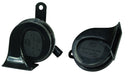
Horn Hella |
Hella
|
012010911 | — | $41.36 | In stock
|

|
Horn |
Genuine
|
61337833012 | — | $53.38 | In stock
|

|
Horn |
Genuine
|
0055424120 | — | $50.79 | In stock
|

|
Horn VEMO |
Vemo
|
V20-77-0309 | — | $65.27 | In stock
|

|
Horn VEMO |
Vemo
|
V10-77-0918 | — | $38.41 | In stock
|

|
Horn VEMO |
Vemo
|
V10-77-0920 | — | $35.27 | In stock
|

|
Horn VEMO |
Vemo
|
V20-77-0308 | — | $65.27 | In stock
|
|
Horn VEMO |
Vemo
|
V10-77-0923 | — | $47.83 | In stock
|
|

|
Horn VEMO |
Vemo
|
V10-77-0917 | — | $46.31 | In stock
|
Vehicle horns are safety-critical electrical components that alert other drivers and pedestrians - and in most states, a non-functioning horn is a failed inspection. Standard horns use an electromagnet and diaphragm to produce sound, and they fail most often from corrosion, a burned-out coil, or a faulty horn relay. Most OEM horns are rated at 107–118 dB and run on 12V; aftermarket upgrades like dual-tone disc horns or Stebel-style compressor horns can push 130 dB or more for a more assertive sound. Air horn kits add a compressor and trumpet assembly and are popular for trucks, RVs, and off-road builds. Back-up alarms serve a separate purpose - OSHA-required on commercial vehicles, and increasingly used on personal trucks and trailers. When buying, confirm connector type (single- or dual-spade terminal), bracket fitment, and frequency tone (high/low pair vs. single). OEM-spec replacements are straightforward swaps; upgrades may require a relay harness.
Signs you need replacement
- No sound when pressing the horn button. If you get nothing at all, check the fuse and relay first - but if those test good, the horn itself has likely failed internally due to a burned coil or corroded diaphragm.
- Weak, muffled, or raspy tone. A horn that used to sound crisp but now sounds hollow or distorted is a sign the diaphragm is cracked or the electromagnet is weakening - it won't get better on its own.
- Horn sounds intermittently or only when you press hard. Intermittent operation usually points to a failing clock spring in the steering column, a loose ground connection, or a corroded terminal at the horn itself.
- Horn sticks on continuously. A horn that won't stop blowing indicates a stuck relay, a shorted horn switch, or a seized clock spring - address it immediately to avoid draining the battery or disturbing traffic.
- Back-up alarm not activating in reverse. If the alarm is silent when the vehicle is shifted into reverse, check the wiring connection at the reverse light circuit first, then test the alarm unit for internal failure.
- Visible corrosion or physical damage on the horn body. Horns mounted behind the grille take road debris and moisture directly - a cracked housing or heavily corroded bracket is reason enough to replace before complete failure.
Frequently asked questions
- How long do factory horns typically last, and is there a replacement interval? There's no set mileage interval - OEM horns are designed to last the life of the vehicle, but real-world corrosion, vibration, and moisture exposure typically cause failure between 80,000–150,000 miles. Vehicles in high-humidity or road-salt environments tend to fail sooner. Replace on failure or during a failed inspection.
- Should I stick with OEM or go aftermarket for a horn replacement? For a direct replacement, OEM or OEM-equivalent horns (Hella, Bosch, Hadley) are the easiest swap and maintain the factory tone. If you want louder output, a dual-tone disc horn pair running 115–118 dB is a simple upgrade using the same wiring. Air horn kits require adding a relay and compressor but deliver the most dramatic sound improvement.
- How difficult is a horn replacement, and what else should I check at the same time? Most horn replacements are a 15–30 minute DIY job - disconnect the battery, unplug the connector, swap the bracket, reconnect. While you're in there, test the horn relay (usually in the under-hood fuse box) and inspect the clock spring if the horn was intermittent. Parts run $15–$80 for standard horns; air horn kits range $40–$200.