
Select your vehicle
Mufflers
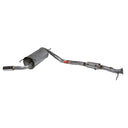


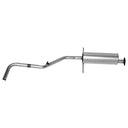


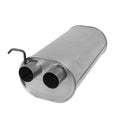

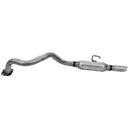
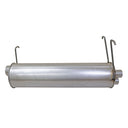

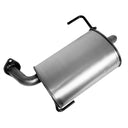


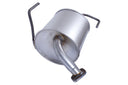
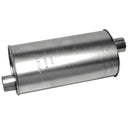
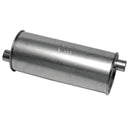
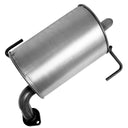
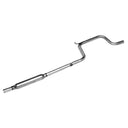
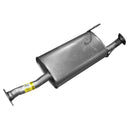

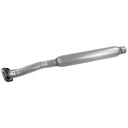
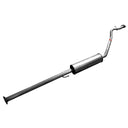
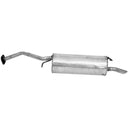
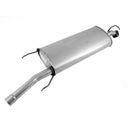

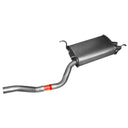
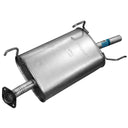


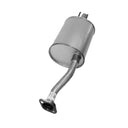


Mufflers and resonators reduce exhaust noise and help tune back-pressure for proper engine performance. Most last 5–7 years, but road salt, moisture trapped inside, and stop-and-go driving can cut that lifespan significantly shorter - especially in northern states. Rust-through, physical damage from bottoming out, or failed seam welds are the most common failure points. When shopping, decide between direct-fit assemblies (bolt-on, no cutting or welding) and universal units (cheaper, but require fabrication). OEM-spec replacements match your factory tone and fitment exactly; performance aftermarket options from brands like Flowmaster, Borla, and MagnaFlow offer reduced restriction and a more aggressive exhaust note. Always verify connection diameter, inlet/outlet positions, and overall pipe length before ordering - these specs vary widely even within the same make and model year range.
Signs you need replacement
- Loud roaring or rumbling from underneath the vehicle - A muffler with a rusted-through casing or cracked baffle wall loses its ability to dampen exhaust pulses, producing a noticeably louder, deeper exhaust note that gets worse under acceleration.
- Rattling or buzzing at idle or low RPM - Internal baffles can corrode and break loose inside the muffler shell, causing a metallic rattling that's often mistaken for a heat shield. It typically gets louder as the exhaust heats up.
- Visible rust, holes, or corrosion on the muffler body - Surface rust is cosmetic, but through-rust or pinhole perforations let exhaust gases escape before the muffler can process them, reducing noise suppression and potentially routing fumes toward the cabin.
- Smell of exhaust inside the cabin - A failed muffler or resonator joint can direct CO-containing exhaust gases toward the firewall or floor seams. This is a safety issue that warrants immediate inspection, not just a nuisance.
- Failed emissions or inspection test - Some jurisdictions test for exhaust leaks visually or by sound. A compromised muffler assembly can cause an outright inspection failure regardless of emissions readings.
- Reduced fuel economy without another clear cause - A collapsed baffle or heavily restricted muffler increases exhaust back-pressure, forcing the engine to work harder and burning more fuel in the process.
Frequently asked questions
- How long do mufflers typically last, and does driving style affect it? Average muffler lifespan is 5–7 years or roughly 60,000–100,000 miles under normal conditions. Short-trip drivers actually see faster corrosion - condensation inside the muffler never fully burns off, accelerating rust from the inside out. Highway-heavy driving is easier on exhaust components overall.
- Is an OEM muffler worth the premium over an aftermarket replacement? OEM units guarantee an exact fit and match the factory sound profile, which matters for luxury or performance vehicles with tuned exhaust notes. Quality aftermarket options - aluminized or stainless steel from brands like Walker, Flowmaster, or Borla - offer comparable durability at 30–60% less cost and are the practical choice for most daily drivers.
- What does a muffler replacement typically cost, and what else should I replace at the same time? Parts run $50–$350 depending on vehicle and brand; labor adds $75–$200 at most shops. Since the system is already apart, it's smart to inspect and replace exhaust clamps, flex pipes, and the tailpipe section simultaneously - especially if any show rust. Doing it all at once avoids a second labor charge within a year.