
Select your vehicle
Hoses and Pipes
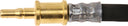

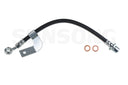


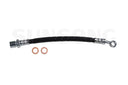
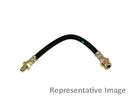

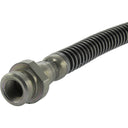

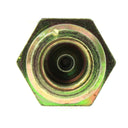

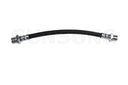
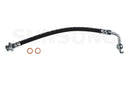
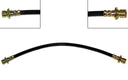
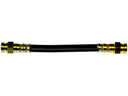
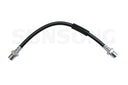
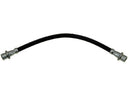
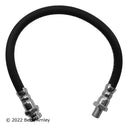


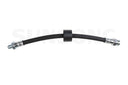


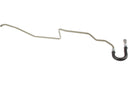


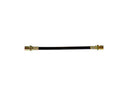


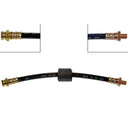


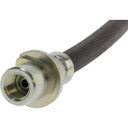


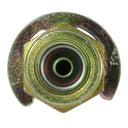


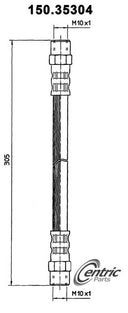

Clutch hydraulic hoses and pipes carry pressurized fluid between the clutch master cylinder and slave cylinder, translating pedal input into clutch engagement. Unlike rigid steel lines, the flexible hose section absorbs drivetrain movement - making it the first point of failure. Rubber hoses degrade from heat cycling and fluid contamination, typically lasting 60,000–100,000 miles, though vehicles in high-heat or high-humidity environments fail earlier. Internal delamination is a common failure mode: the hose looks fine outside but restricts fluid flow internally, causing a clutch that won't fully disengage. When buying, verify the exact routing length and end fitting types (banjo vs. threaded) for your specific make and model - a 2mm difference in fitting diameter will cause a no-fit. OEM-spec rubber or PTFE-lined aftermarket hoses are both reliable; braided stainless upgrades make sense for performance applications or repeated early failures.
Signs you need replacement
- Clutch pedal sinks to the floor or feels soft and spongy. A deteriorating hose can internally collapse or develop a slow leak, reducing hydraulic pressure and preventing full clutch disengagement.
- Visible fluid weeping or wet residue along the hose. Any external seepage - even minor dampness near the fittings or along the hose body - indicates seal breakdown and warrants immediate replacement before total hydraulic failure.
- Clutch engages and disengages inconsistently or at an unpredictable pedal height. Intermittent internal blockage from a delaminating hose liner causes erratic pressure delivery, making clutch engagement feel notchy or delayed.
- Clutch fluid reservoir is losing fluid with no obvious external leak. Small pinhole weeps in the hose can drip onto hot exhaust components and evaporate before pooling - inspect the hose directly before assuming a master or slave cylinder failure.
- Difficulty shifting into gear at a stop, even with the pedal fully depressed. Insufficient hydraulic travel caused by a restricted or leaking hose prevents the clutch from fully releasing, causing grinding when trying to engage first or reverse.
Frequently asked questions
- How often should a clutch hydraulic hose be replaced? There's no fixed service interval from most manufacturers, but 60,000–100,000 miles is a reasonable inspection threshold. Replace immediately if you see cracking, swelling, or fluid weeping. Many shops recommend replacing the hose any time the clutch master or slave cylinder is replaced, since labor overlap makes it inexpensive insurance.
- Is an OEM clutch hydraulic hose worth it over aftermarket? OEM hoses guarantee exact routing length, correct end fittings, and pressure ratings specific to your vehicle. Quality aftermarket options - particularly PTFE-lined or braided stainless hoses - meet or exceed OEM specs at lower cost. Avoid unbranded hoses with vague pressure ratings; for a hydraulic component, material quality directly affects safety and reliability.
- How difficult is a clutch hydraulic hose replacement, and what else should I replace at the same time? Most clutch hydraulic hose replacements are DIY-accessible in 1–2 hours with basic hand tools and a line wrench set. Parts typically run $15–$80 depending on vehicle. If the hose has failed, replace the clutch fluid and inspect the master and slave cylinders for leaks - both are inexpensive to address with the hydraulic system already open.