
Select your vehicle
Relays
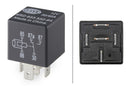

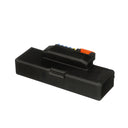


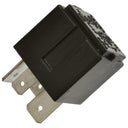
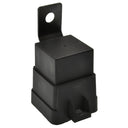

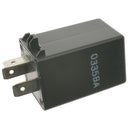


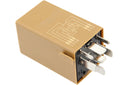

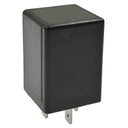
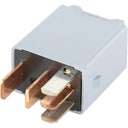
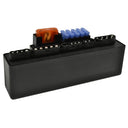
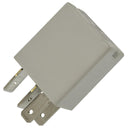




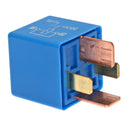
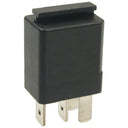
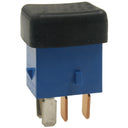
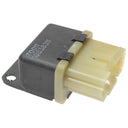
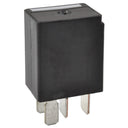
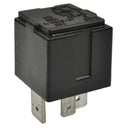

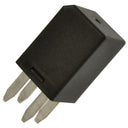
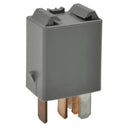
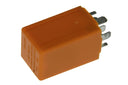

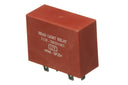
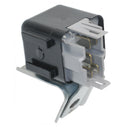
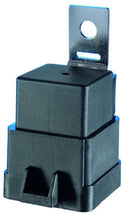


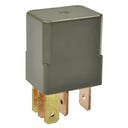


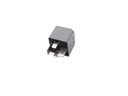

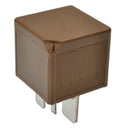
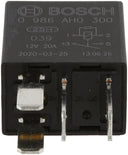

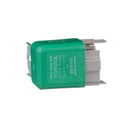
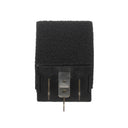


Relays are electrically operated switches that let a low-current signal control a high-current circuit - protecting your switches, fuses, and wiring from the load demands of horns, headlights, fuel pumps, and dozens of other systems. Most vehicles carry 20–40 relays spread across the under-hood fuse/relay box and interior fuse panel. They don't have a fixed replacement interval, but they do fail - typically from corroded contacts, coil burnout, or vibration damage after 80,000–150,000 miles or 10–15 years of heat cycling. When buying, OEM relays are the safe call for computer control, main, and circuit opening relays where exact resistance and switching specs matter. For horn, headlight, and accessory relays, quality aftermarket units (Bosch, Standard Motor Products, Dorman) match OEM specs at lower cost. Always confirm amperage rating, terminal configuration (4-pin vs. 5-pin), and whether the relay is a plug-in type or hardwired before ordering.
Signs you need replacement
- Electrical system clicks but nothing activates - A relay that chatters or clicks repeatedly without completing the circuit (horn won't sound, headlights won't fire, door locks cycle erratically) typically has a failed coil or welded contacts.
- Component works intermittently or only when warm/cold - If your daytime running lights, fog lights, or accessories cut out randomly and come back after the car sits, a relay with corroded internal contacts is a common cause before the symptom becomes permanent.
- No crank or no-start condition - A failed main relay or auto shut down (ASD) relay can leave the fuel pump or ignition system unpowered, producing a no-start with normal battery voltage and no fault codes on some platforms.
- Burnt smell or visible heat damage at the fuse box - Relays that fail shorted generate heat; if the plastic housing is discolored or melted, replace the relay immediately and inspect surrounding sockets for damage.
- Accessory or feature completely dead with no blown fuse - If the fuse is intact but a sunroof, heated seat, trailer tow circuit, or turn signal doesn't respond at all, probe the relay coil and contact terminals before chasing wiring faults deeper in the harness.
Frequently asked questions
- How do I know which relay is which in my fuse box? Your owner's manual or the fuse box cover diagram labels each relay by circuit. If that's missing, your vehicle's factory wiring diagram (available through OEM service portals or ALLDATA) lists relay location, pin assignments, and coil voltage. Most standard automotive relays are 12V DC with either a 30A or 40A contact rating - confirm both before swapping.
- Is OEM worth it over aftermarket for relays like computer control or main relays? For computer control relays, main relays, and circuit opening relays - especially on Honda, Toyota, and Chrysler platforms where relay specs are tightly integrated with ECU logic - OEM or OEM-equivalent brands like Denso or Mopar are worth the premium. For lighting, horn, and accessory relays, Bosch and Standard Motor Products aftermarket units perform reliably at roughly half the OEM price.
- Can I replace a relay myself, and what does it typically cost? Most plug-in relays are a genuine DIY job - pull the old one, push in the new one, no tools required. Parts run $8–$45 for standard relays; computer control or OEM-specific units can reach $60–$100. If the relay socket itself is burnt or corroded, budget an extra $15–$40 for a pigtail repair connector to avoid splicing into the harness.