
Select your vehicle
Relays


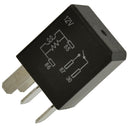
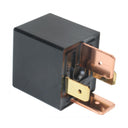


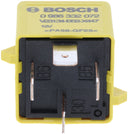

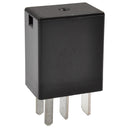
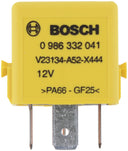
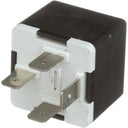
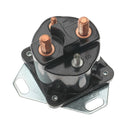


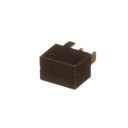

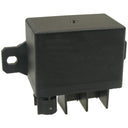

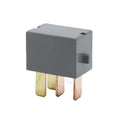

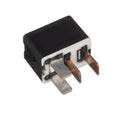


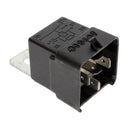
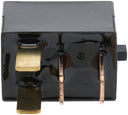
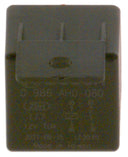


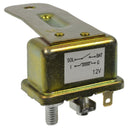


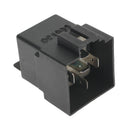
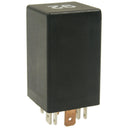
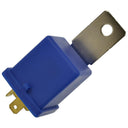

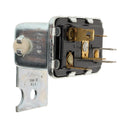


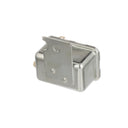


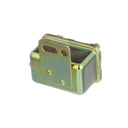

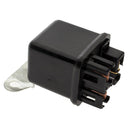
Starter relays, control relays, and their supporting variants act as high-current switches between your battery and starter motor - when you turn the key or press the start button, the relay completes the circuit that cranks the engine. A failing relay is one of the most misdiagnosed no-start causes, often blamed on the battery or starter before the relay is even tested. Most relays don't follow a fixed mileage interval; they fail from heat cycling, corrosion at the terminal contacts, or coil burnout - typically showing up after 80,000–150,000 miles or in high-heat engine bays. Specialty types like battery charge relays and battery saver relays manage charging circuits and parasitic drain prevention, so correct fitment matters. When buying, match the relay's coil voltage (typically 12V), contact current rating, and terminal configuration to your OEM spec - many aftermarket relays are pin-compatible but vary in contact durability. OEM units are generally worth the premium on late-model vehicles with integrated relay control modules.
Signs you need replacement
- Engine won't crank and the starter makes no sound. A dead-silent no-start with a fully charged battery often points to a failed starter relay rather than the starter motor itself - the relay may have an open coil and is no longer completing the circuit.
- Clicking sound when turning the key, but the engine doesn't turn over. A single click (not rapid clicking) can indicate the relay is engaging but its main contacts are burnt or corroded and aren't passing enough current to the starter.
- Intermittent starting - the vehicle cranks fine sometimes, then won't start at all. Heat-sensitive relay failures are common in this pattern; the relay may work when cold but fail once the engine bay reaches operating temperature.
- Starter continues running briefly after the engine fires. A starter control relay with welded or stuck contacts can fail to open the circuit on time, keeping the starter engaged longer than it should - which will quickly damage the starter ring gear.
- Battery draining overnight with no obvious cause. A faulty battery saver relay that's stuck closed can allow constant current draw on circuits that should shut off, mimicking a parasitic drain from an unrelated source.
Frequently asked questions
- How do I know which starter relay fits my specific vehicle? Relay fitment depends on your year, make, model, and engine size - and in some cases the transmission type (automatic vs. manual have different starter control circuits). Always confirm the OEM part number or use a verified fitment tool. Terminal count (typically 4 or 5 pins) and mounting configuration must also match your fuse box or relay bracket.
- Are aftermarket starter relays as reliable as OEM? For most domestic and Japanese vehicles, quality aftermarket relays from brands like Standard Motor Products or Duralast are a reliable, cost-effective choice. On European vehicles - particularly BMW, Mercedes, and Audi - OEM or OEM-equivalent parts are recommended, as proprietary relay housings and contact ratings are tighter tolerances that budget units sometimes don't meet consistently.
- How much does a starter relay cost, and can I replace it myself? Starter relays typically run $8–$40 for the part itself, with OEM units on the higher end. Replacement is usually a straightforward DIY job - most are plug-and-pull from the underhood fuse/relay box in under five minutes. While you're in there, inspect the relay socket terminals for corrosion and test the battery, since a weak battery is often what caused the relay to fail prematurely.