
Select your vehicle
Motors, Core, Case and Related Components
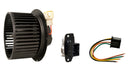


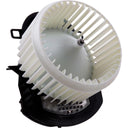




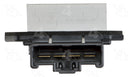
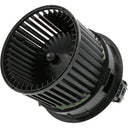
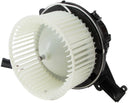


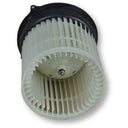

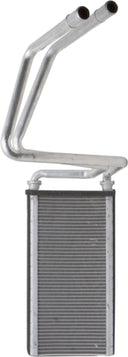
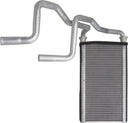
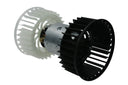


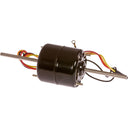


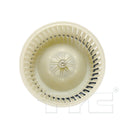


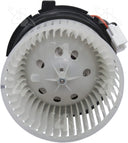
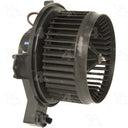

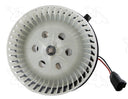
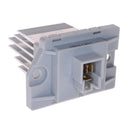


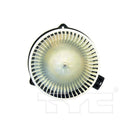


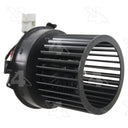
The blower motor, heater core, and related components are the mechanical heart of your vehicle's HVAC system - responsible for moving air, transferring heat, and directing airflow throughout the cabin. Blower motors typically last 100,000–150,000 miles but fail sooner in climates with extreme heat or cold; heater cores often develop leaks between 80,000–120,000 miles, especially in vehicles with neglected coolant maintenance. Blower motor resistors are one of the most common HVAC failures and are often misdiagnosed as a blower motor problem. When shopping, verify fitment by year, make, model, and trim - many vehicles use different motor configurations between base and premium trims. OEM-spec replacements are the safest choice for heater cores due to material and pressure tolerances; aftermarket blower motors from reputable brands like Four Seasons or Dorman offer solid value for most applications. Always confirm connector type and mounting configuration before ordering.
Signs you need replacement
- Blower only works on certain fan speeds - typically one or two speeds stop functioning while others still work. This is a classic symptom of a failing blower motor resistor, not the motor itself.
- No airflow from vents at any fan speed - if the fan doesn't spin at all, the blower motor or its relay has likely failed. A motor that hums but doesn't move air often has a seized wheel or broken impeller.
- Sweet, syrup-like smell inside the cabin or foggy windshield - coolant leaking from a failing heater core evaporates into the cabin air, creating a distinct odor and greasy film on the inside of the glass.
- Coolant puddle on the passenger-side floor - a cracked or corroded heater core will drip coolant directly into the footwell, often soaking the carpet before the leak becomes obvious.
- Rattling, squealing, or grinding noise when the fan runs - worn blower motor bearings or debris caught in the blower wheel produce noise that changes with fan speed. Replacing just the wheel can sometimes resolve it if the motor tests out fine.
- Airflow direction or temperature doesn't respond to controls - if blend door or mode door actuators aren't the cause, a failed HVAC air adjustment control motor may be preventing the system from directing airflow correctly.
Frequently asked questions
- How do I know if my blower motor resistor or the blower motor itself has failed? A resistor failure almost always causes some fan speeds to work and others not to - most commonly, only high speed works because it bypasses the resistor entirely. If no speeds work at all, suspect the motor, relay, or a blown fuse. Test resistance across the resistor terminals with a multimeter before replacing the motor.
- Is an aftermarket heater core as reliable as OEM? For heater cores, quality matters more than with most HVAC parts. Cores must hold coolant pressure and resist corrosion over years of thermal cycling. OEM or OEM-equivalent units from brands like Spectra Premium or Denso are worth the modest price premium. Avoid unbranded budget cores - a repeat heater core job means pulling the entire dash twice.
- What should I replace at the same time as the heater core? Since heater core replacement typically requires removing the dashboard - a 6–12 hour job on most vehicles - replace the heater core hoses, coolant, and thermostat while everything is accessible. Parts cost $20–$60 extra but eliminates the risk of pulling the dash again soon after. Heater cores themselves range from $40–$300 depending on vehicle; labor adds $500–$1,200 at a shop.