
Select your vehicle
Tailgate and Midgate
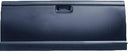




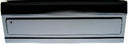

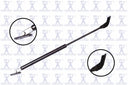
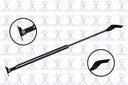



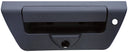

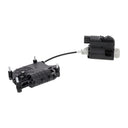
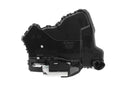
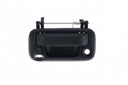
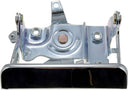
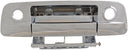
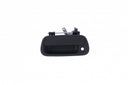


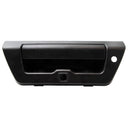

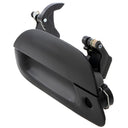
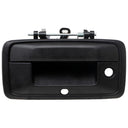
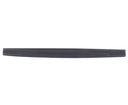
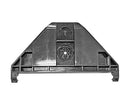
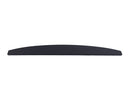
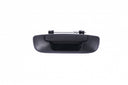
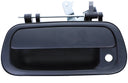
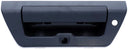
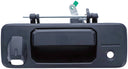
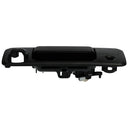
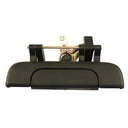
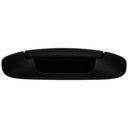
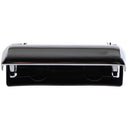
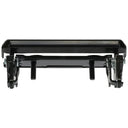
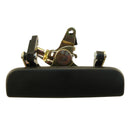
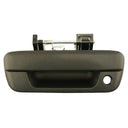
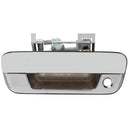
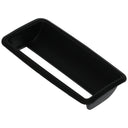
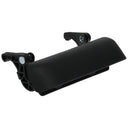
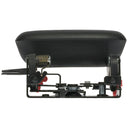
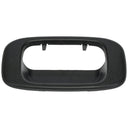
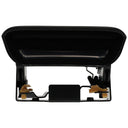
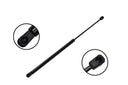


Tailgate and midgate components take a beating - they're opened and closed dozens of times a week, exposed to road grime, weather, and the occasional overloaded truck bed. This collection covers everything from the lift supports and support cables that control how your tailgate swings down, to the handles, latches, lock cylinders, and actuator motors that operate it daily. Lift supports typically last 5–10 years before losing gas pressure and letting the tailgate drop under its own weight. Handle bezels crack from UV exposure, cables fray or snap under load, and power tailgate motors fail silently until the gate won't move at all. When buying, match parts to your exact year, make, model, and cab/bed configuration - a tailgate handle for a Silverado 1500 double cab won't fit a crew cab, and lift support stroke length varies by gate weight. OEM parts guarantee fit; quality aftermarket options from brands like Dorman and Standard Motor Products often cost 30–50% less with comparable durability.
Signs you need replacement
- Tailgate drops or slams open instead of lowering smoothly. This points to failed lift supports that have lost their nitrogen charge - standard gas struts, they can't be recharged and must be replaced in pairs for even resistance.
- Handle spins, sticks, or won't release the latch. Internal plastic clips and metal tabs inside tailgate handles break with age, especially in cold climates where plastic becomes brittle. The handle may move but fail to actuate the latch rod.
- Tailgate won't stay closed or rattles over bumps. A worn latch, stretched latch rod, or damaged striker plate is usually the cause - any slop in the latch mechanism will let the gate bounce under load.
- Power tailgate moves slowly, hesitates, or stops mid-cycle. On GM trucks and SUVs with motorized midgates or power tailgates, a failing lift motor or lock actuator motor often throws a body control module fault code before complete failure.
- Visible cable fraying or a tailgate that sags to one side when open. Support cables carry the full weight of a lowered tailgate - a single frayed or snapped cable lets that side drop and can crack the tailgate shell or bend the hinge.
- Key won't turn or lock cylinder spins freely. Corroded or broken lock cylinders are common on trucks parked outdoors long-term; a spinning cylinder means the retaining clip has failed and the cylinder is no longer engaging the lock rod.
Frequently asked questions
- How often do tailgate lift supports need to be replaced? Most gas-charged lift supports last 7–10 years or 100,000–150,000 miles under normal use, but climate matters - extreme heat accelerates seal degradation. If your tailgate no longer holds itself horizontal when open, the supports are done. Replace both at the same time to avoid uneven tension on the hinges.
- Are aftermarket tailgate handles and latches as reliable as OEM? For handles and bezels, quality aftermarket parts from Dorman or Sherman are a solid value - they use similar materials and include mounting hardware OEM often omits. For lock actuator motors and power lift motors on late-model trucks, OEM or a Tier 1 supplier like Standard Motor Products is worth the premium to avoid recalibration issues with the body control module.
- What's a reasonable budget for tailgate repairs, and what should I replace at the same time? Lift supports run $15–$40 each; handles $25–$80; full latch assemblies $30–$90; power lift motors $80–$200+. When replacing a handle, also check the handle bezel and latch rod - they're inexpensive and often worn simultaneously. Replacing a latch? Pull the lock cylinder and actuator motor too while the gate panel is already disassembled.