
Select your vehicle
Sending Units
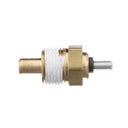

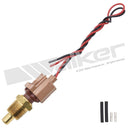

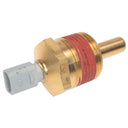


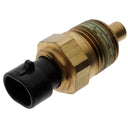


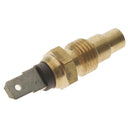

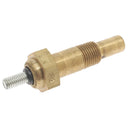
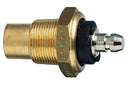
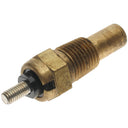
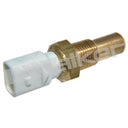


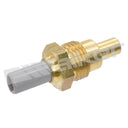
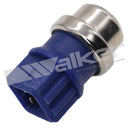
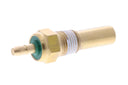
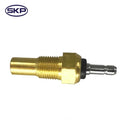
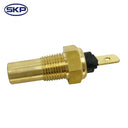
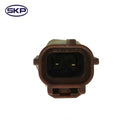
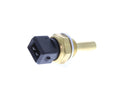
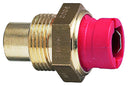
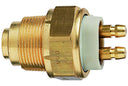
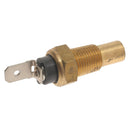
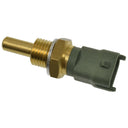
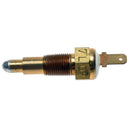
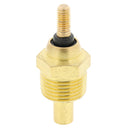
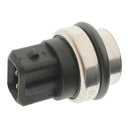
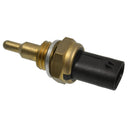
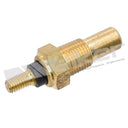
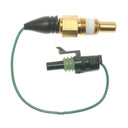
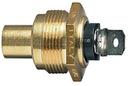
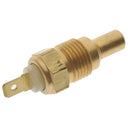
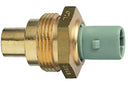
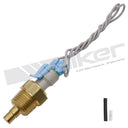
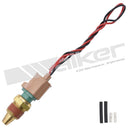
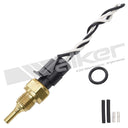
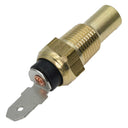
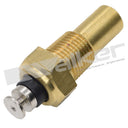
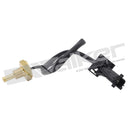
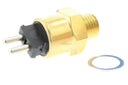
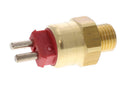
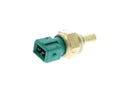


Engine coolant temperature (ECT) senders are single-wire resistive sensors that feed coolant temp data to your gauge cluster or warning light - distinct from the two-wire ECT sensor that feeds the ECM. When a sender fails, you lose accurate temperature readings at the dash, which matters whether you're watching for overheating on a long tow or just want to know your engine has reached operating temp. Most senders last the life of the vehicle but can fail from corrosion, thread damage during previous work, or internal resistor degradation - typically showing up between 80,000–150,000 miles on older platforms. When buying, confirm thread pitch and diameter (common sizes include 3/8-18 NPT, 1/8-27 NPT, and M14x1.5), and match the ohm range to your gauge - a sender calibrated for a factory VDO gauge won't read correctly on an aftermarket unit. OEM-spec replacements are the safest choice for stock gauges; universal senders work well if you're building a custom dash or running aftermarket instrumentation.
Signs you need replacement
- Temperature gauge reads cold permanently or pegs at maximum - even after the engine fully warms up or immediately on startup, suggesting the sender's internal resistor has failed open or shorted.
- Temperature gauge fluctuates erratically at idle or highway speed - the needle swings without a corresponding change in actual coolant temp, often caused by a corroded terminal or failing resistor element inside the sender.
- Coolant warning light stays on despite normal temperature - on vehicles that use the sender to trigger a dash warning rather than a full sweep gauge, a failed sender can trip the light even when coolant level and temp are both fine.
- Visible coolant seepage around the sender body or threads - the sender seals against the block or intake with a copper or nylon washer; once that seal fails, you'll see dried coolant residue or an active weep around the hex.
- Sender threads are stripped or the hex is rounded from previous removal - a sender that can't be properly torqued to spec (typically 8–15 ft-lbs depending on application) will leak and should be replaced even if it still reads correctly.
Frequently asked questions
- Is there a standard replacement interval for coolant temperature senders? There's no set mileage interval - senders are replace-on-failure parts, not scheduled maintenance items. That said, if you're doing a coolant system overhaul or replacing a leaking intake manifold gasket, it's practical to swap the sender at the same time since you're already draining coolant and have access to the fitting.
- Should I use an OEM sender or will an aftermarket unit work just as well? For factory gauge clusters, OEM or OEM-equivalent senders matched to your gauge's ohm curve (typically 33–240Ω or 240–33Ω sweep) are strongly recommended - a mismatched aftermarket unit can read 20–40°F off. Aftermarket senders are a legitimate choice when the original part is discontinued or when you're running aftermarket gauges calibrated to a known resistance range.
- What does it typically cost to replace a coolant temperature sender, and is this a DIY job? The sender itself runs $8–$35 for most domestic and Asian applications; European senders can reach $50–$80 OEM. Replacement is a straightforward DIY job - you'll need a deep socket or sender wrench, a drain pan to catch the small amount of coolant lost, and fresh thread sealant or a new sealing washer. Budget 30–45 minutes.