
Select your vehicle
Transfer Case Components
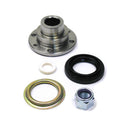


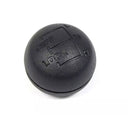

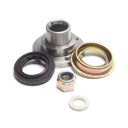
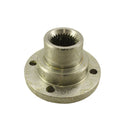
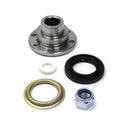


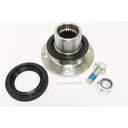
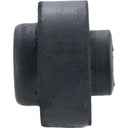


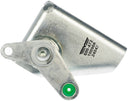


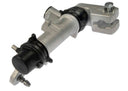



Transfer case components keep power flowing to all four wheels - and when any one of them fails, you can lose 4WD engagement, develop fluid leaks, or face complete drivetrain damage. This collection covers the full range of structural and mechanical parts: housings, mounts, shift forks, control levers, input shafts, and shift linkage assemblies. Housings typically fail from cracks caused by impact or long-term corrosion; shift forks and linkage wear out from repeated engagement cycles and are common culprits behind 4WD modes that won't engage or disengage cleanly. Transfer case mounts deteriorate like engine mounts - usually after 80,000–120,000 miles or with heavy off-road use. When sourcing replacements, verify exact fitment by transfer case model number (e.g., NP231, BW4406, MP1522), not just year/make/model - the same vehicle platform often used multiple transfer case variants across production years.
Signs you need replacement
- Grinding or popping when shifting into 4WD or 4Lo - often points to a worn shift fork or damaged shift linkage that's preventing clean gear engagement inside the transfer case.
- 4WD mode won't engage or stays stuck - a broken control lever, worn shift fork, or bent shift linkage can physically prevent the transfer case from completing a range change.
- Visible oil leaks around the transfer case casing - cracks or porosity in a damaged housing will leak fluid, leading to lubrication loss and accelerated internal wear if not addressed quickly.
- Excessive vibration or clunking felt through the floor at highway speed - a deteriorated transfer case mount allows the unit to shift under load, causing driveline vibration and misalignment with front and rear driveshafts.
- Whining or growling noise that changes with vehicle speed in 4WD - can indicate a worn input shaft bearing, often caused by low fluid from a housing leak or deferred maintenance.
- Shift knob or lever is loose, cracked, or won't stay in position - while cosmetic in some cases, a failed shift knob or control lever connection can make it impossible to confirm which range is actually selected.
Frequently asked questions
- How do I know which transfer case housing or internal parts are compatible with my truck? Match parts to the transfer case model number stamped on the case itself - not just your vehicle's year, make, and model. Trucks like the Ford F-150, GM Sierra/Silverado, and Jeep Grand Cherokee used multiple transfer case variants depending on engine, trim, and production date. Cross-reference the tag or casting number for guaranteed fitment.
- Are aftermarket transfer case components as reliable as OEM for off-road use? For structural parts like housings and mounts, OEM or OEM-equivalent parts from suppliers like Dorman or Genuine GM/Ford are generally preferred - dimensional tolerances matter here. For wear items like shift knobs and control levers, quality aftermarket options work fine. Avoid no-name imports for shift forks and input shafts, where material hardness is critical.
- What else should I replace when rebuilding or resealing a transfer case? If you're pulling the transfer case to replace the housing or input shaft, replace the fluid, all seals, and the output shaft seal at the same time - labor overlap makes it cost-effective. A full transfer case reseal kit typically runs $30–$80. If the unit has over 150,000 miles, inspect the chain and sprocket for stretch while it's apart.