
Select your vehicle
Catalytic Converter
| Image | Part | Brand | Part number | Position | Availability | |
|---|---|---|---|---|---|---|

|
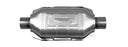
Catalytic Converter Direct-Fit CALIFORNIA OBDII CONVERTERS |

MagnaFlow
|
551092 | — | $1,228.00 | In stock
|
|
Catalytic Converter 6GMXT04.3181 |

AP Exhaust
|
912006 | — | $286.90 | In stock
|

|
Catalytic Converter EPA |

Walker
|
48353 | — | $614.28 | In stock
|

|
Catalytic Converter 9SKXV1.995D1 |
AP Exhaust
|
771497 | — | $769.87 | In stock
|

|
Catalytic Converter Direct Fit Converter |
AP Exhaust
|
644223 | — | $331.43 | In stock
|

|
Catalytic Converter with Integrated Exhaust Manifold Exhaust Manifold with Integrated Catalytic Converter CALIFORNIA CONVERTERS |
MagnaFlow
|
452029 | — | $863.00 | In stock
|

|
Catalytic Converter Direct-Fit CALIFORNIA OBDII CONVERTERS |
MagnaFlow
|
447192 | — | $995.00 | In stock
|

|
Catalytic Converter Exact-Fit Catalytic Converter |

Davico
|
18089 | — | $334.16 | In stock
|

|
Catalytic Converter Direct Fit Converter |

Eastern Convertors
|
20490 | — | $386.42 | In stock
|

|
Catalytic Converter 2.25in. Universal California Pre-OBDII Catalytic Converter |
MagnaFlow
|
339105 | — | $523.00 | In stock
|
|
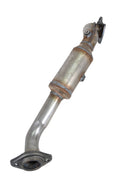
Catalytic Converter Direct Fit Converter |
Eastern Convertors
|
20491 | — | $386.42 | In stock
|

|
Catalytic Converter with Integrated Exhaust Manifold |
AP Exhaust
|
641395 | — | $667.29 | In stock
|

|
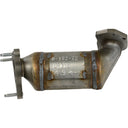
Catalytic Converter CalCat |
Walker
|
83187 | — | $418.18 | In stock
|
|
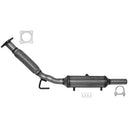
Catalytic Converter CalCat |
Walker
|
84178 | — | $491.77 | In stock
|
|
Catalytic Converter FVGAV02.0VUC |
AP Exhaust
|
770540 | — | $1,351.01 | In stock
|

|
Catalytic Converter 2.25in. Universal California OBDII Catalytic Converter |
MagnaFlow
|
408005 | — | $345.00 | In stock
|

|
Catalytic Converter Direct-Fit Catalytic Converter |
Davico
|
17565 | — | $284.70 | In stock
|

|
Catalytic Converter Direct-Fit CALIFORNIA OBDII CONVERTERS |
MagnaFlow
|
447196 | — | $955.00 | In stock
|
|
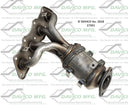
Catalytic Converter Exact-Fit Catalytic Converter |
Davico
|
17351 | — | $268.03 | In stock
|
|
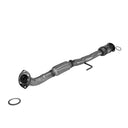
Catalytic Converter 7TYXV02.4BEB |
AP Exhaust
|
754320 | — | $442.03 | In stock
|
|
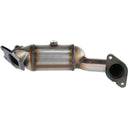
Catalytic Converter with Integrated Exhaust Manifold |

OP Converters
|
OPCC1028 | — | $188.56 | In stock
|

|
Catalytic Converter with Integrated Exhaust Manifold |

Dorman
|
673-576 | — | $746.77 | In stock
|

|
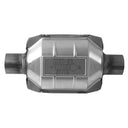
Catalytic Converter Exact-Fit Catalytic Converter |
Davico
|
18534 | — | $522.21 | In stock
|
|
Catalytic Converter 1SKXT2.00LC4 |
AP Exhaust
|
612004 | — | $155.73 | In stock
|

|
Catalytic Converter DIRECT FIT |
Eastern Convertors
|
30619 | — | $395.67 | In stock
|

|
Catalytic Converter Direct-Fit CALIFORNIA OBDII CONVERTERS |
MagnaFlow
|
551144 | — | $1,711.00 | In stock
|

|
Catalytic Converter with Integrated Exhaust Manifold Exhaust Manifold with Integrated Catalytic Converter CALIFORNIA CONVERTERS |
MagnaFlow
|
452180 | — | $780.00 | In stock
|

|
Catalytic Converter with Integrated Exhaust Manifold |
Dorman
|
674-048 | — | $480.68 | In stock
|

|
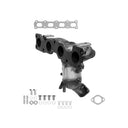
Catalytic Converter with Integrated Exhaust Manifold Exhaust Manifold with Integrated Catalytic Converter CALIFORNIA CONVERTERS |
MagnaFlow
|
5531343 | — | $1,111.00 | In stock
|
|
Catalytic Converter with Integrated Exhaust Manifold GHYXV02.41WE |
AP Exhaust
|
771173 | — | $914.56 | In stock
|

|
Catalytic Converter EPA |
Walker
|
16590 | — | $317.96 | In stock
|

|
Catalytic Converter DIRECT FIT |
Eastern Convertors
|
50548 | — | $237.98 | In stock
|

|
Catalytic Converter 4TYXT03.4VRH |
AP Exhaust
|
774016 | — | $514.43 | In stock
|

|
Catalytic Converter with Integrated Exhaust Manifold CFJXJ02.5PHL |
AP Exhaust
|
771187 | — | $700.30 | In stock
|

|
Catalytic Converter with Integrated Exhaust Manifold Exhaust Manifold with Integrated Catalytic Converter CALIFORNIA CONVERTERS |
MagnaFlow
|
5582740 | — | $2,209.00 | In stock
|

|
Catalytic Converter HCRXT03.65P3 |
AP Exhaust
|
776135 | — | $538.83 | In stock
|

|
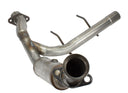
Catalytic Converter 8HNXV01.5JKC |
AP Exhaust
|
770545 | — | $789.71 | In stock
|
|
Catalytic Converter DIRECT FIT |
Eastern Convertors
|
30653 | — | $447.35 | In stock
|

|
Catalytic Converter Exact-Fit Catalytic Converter |
Davico
|
17353 | — | $207.38 | In stock
|

|
Catalytic Converter 3in. Universal California OBDII Catalytic Converter |
MagnaFlow
|
445300 | — | $1,147.00 | In stock
|

|
Catalytic Converter 3in. Universal California Pre-OBDII Catalytic Converter |
MagnaFlow
|
339301 | — | $1,028.00 | In stock
|

|
Catalytic Converter 2.25in. Universal California Pre-OBDII Catalytic Converter |
MagnaFlow
|
337085 | — | $321.00 | In stock
|

|
Catalytic Converter with Integrated Exhaust Manifold Exhaust Manifold with Integrated Catalytic Converter CALIFORNIA CONVERTERS |
MagnaFlow
|
452013 | — | $1,374.00 | In stock
|
|
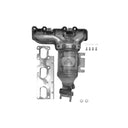
Catalytic Converter with Integrated Exhaust Manifold Direct Fit Converter w/ Manifold |
Eastern Convertors
|
30585 | — | $424.39 | In stock
|
|
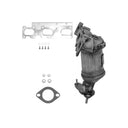
Catalytic Converter with Integrated Exhaust Manifold Direct Fit Converter w/ Manifold |
Eastern Convertors
|
30584 | — | $326.30 | In stock
|

|
Catalytic Converter Direct-Fit Catalytic Converter |
Davico
|
17426 | — | $219.83 | In stock
|
|
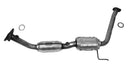
Catalytic Converter |
AP Exhaust
|
642110 | — | $514.76 | In stock
|

|
Catalytic Converter DIRECT FIT |
Eastern Convertors
|
41318 | — | $194.35 | In stock
|
Catalytic converters reduce harmful exhaust emissions by converting hydrocarbons, carbon monoxide, and nitrogen oxides into less toxic compounds through chemical reactions over a precious-metal substrate. Most last 100,000–150,000 miles under normal conditions, but contamination from oil burn, coolant leaks, or running rich can destroy the substrate prematurely. This collection covers direct-fit catalytic converters, integrated exhaust manifold-catalytic converter assemblies (common on late-model import and domestic engines), diesel particulate filters (DPFs), and diesel oxidation catalysts (DOCs). When buying, verify EPA or CARB compliance for your state - California and several other states require CARB-Executive Order (EO) certified converters, and installing a non-compliant unit will fail smog inspection. Match by engine displacement, position (front/rear, bank 1/bank 2), and connection type (bolt-on vs. weld-in). OEM units are the safest fit; quality aftermarket brands like MagnaFlow, Walker, and Eastern Catalytic offer solid warranties and legal compliance at lower price points.
Signs you need replacement
- Check Engine light with P0420 or P0430 codes. These codes indicate catalyst efficiency below threshold on bank 1 or bank 2 - the most direct indicator of a failing converter and the most common reason for replacement.
- Sulfur or rotten egg smell from the exhaust. A converter struggling to process hydrogen sulfide produces a noticeable sulfur odor, especially during deceleration or after extended idling.
- Rattling noise from under the vehicle. A broken or collapsed internal substrate rattles noticeably at idle or during cold starts - at this point the converter is past the point of chemical function and can also restrict exhaust flow.
- Significant power loss and poor acceleration. A clogged converter creates backpressure that chokes exhaust flow, causing sluggish throttle response, reduced top-end power, and in severe cases, stalling at idle.
- Failed emissions or smog test. High HC or CO readings at the tailpipe, or a failed OBD-II readiness monitor, often trace directly to a converter that's no longer processing efficiently even without a stored code.
- Excessive heat under the vehicle or discolored converter shell. Bluish or glowing heat discoloration on the converter body signals a misfiring cylinder is sending unburned fuel into the converter, accelerating substrate damage.
Frequently asked questions
- How long does a catalytic converter typically last, and what shortens its lifespan? Most converters are designed to last 100,000–150,000 miles. Engine misfires, oil consumption, coolant intrusion from a head gasket leak, and extended rich-running conditions are the leading causes of early failure - always diagnose and fix the root cause before installing a replacement or the new unit will fail prematurely.
- Should I buy OEM or aftermarket, and does brand matter for catalytic converters? OEM converters guarantee fit and legal compliance but typically cost 30–60% more than aftermarket equivalents. For most applications, CARB-certified aftermarket units from MagnaFlow, Walker, or Eastern Catalytic perform comparably. Avoid uncertified "universal" converters for street-driven vehicles - they're non-compliant in emissions-tested states and often use lower precious-metal loading that degrades faster.
- What's the typical cost to replace a catalytic converter, and what else should I replace at the same time? Parts range from $150–$600 for most passenger vehicles; direct-fit units for trucks or European models can run $800–$1,500+. Labor adds $100–$300 depending on location and accessibility. Replace upstream and downstream oxygen sensors if they're original - contaminated sensors can cause the new converter to read inefficient immediately and trigger the same P0420/P0430 codes.