
Select your vehicle
Bearings
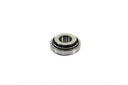

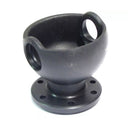
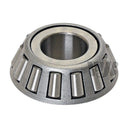




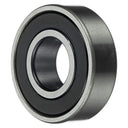

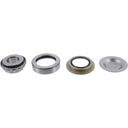

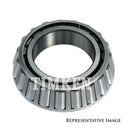


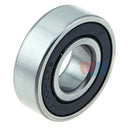
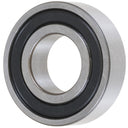


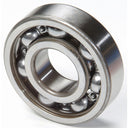
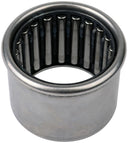

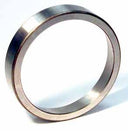


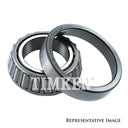
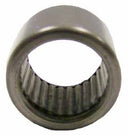
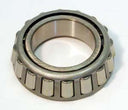
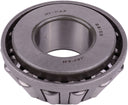
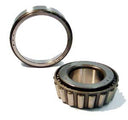

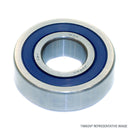
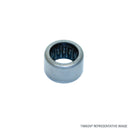
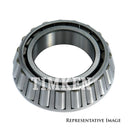

Steering bearings keep every rotating and pivoting component in your steering system moving smoothly and with proper load support - from the knuckles at your wheels to the worm shaft deep inside a recirculating-ball steering gear. When these bearings wear, you'll notice it through noise, looseness, or vague steering feel before anything else. Steering knuckle bearings are the most commonly replaced, often worn out alongside wheel hubs and tie rod ends during front-end service. Power steering pump shaft bearings tend to fail when pump seals leak and contaminate the bearing race. For gear shaft bearings - worm, pitman, and sector - inspect these any time you're rebuilding a steering gearbox rather than replacing them as standalone items on a schedule. When buying, match bearing type (ball, roller, or needle) and load rating to OEM specs; many aftermarket units are interchangeable, but double-check inner/outer diameter and width against your application before ordering.
Signs you need replacement
- Grinding or growling noise that changes with steering input - A rough, low-pitched noise when turning the wheel, especially at low speeds, often points to worn steering knuckle bearings or a failing steering column bearing under load.
- Clicking or popping when turning at low speed - Intermittent clicks or pops during parking-lot maneuvers can indicate a damaged needle bearing in the steering knuckle or a deteriorating shaft bearing with flat spots on the race.
- Whining from the power steering pump that gets louder under load - A high-pitched whine that intensifies when you hold the wheel at full lock often signals a worn pump shaft bearing, especially if accompanied by fluid leaks around the pump body.
- Loose, wandering, or notchy steering feel - Excessive play in the steering wheel or a notch-like resistance through center can mean the worm shaft or sector shaft bearings inside a steering gearbox are worn or preloaded incorrectly.
- Vibration or shimmy in the steering wheel at highway speeds - A wobble that wasn't resolved by a wheel balance or alignment check may trace back to a worn steering knuckle bearing allowing lateral movement in the spindle.
- Visible grease loss or rough rotation on inspection - Any steering bearing that shows dried-out or contaminated grease, corrosion on the race, or rough rotation when spun by hand is overdue for replacement regardless of mileage.
Frequently asked questions
- How often do steering knuckle bearings need to be replaced? There's no fixed interval - most last 80,000–150,000 miles under normal conditions, but road salt, off-road use, and heavy loads accelerate wear significantly. Inspect them during every front-end service or any time you're replacing wheel bearings, tie rod ends, or ball joints on the same corner.
- Are OEM steering bearings worth it over aftermarket? For steering gear shaft bearings (worm, sector, pitman), OEM or a known-brand aftermarket unit (SKF, Timken, National) is worth the premium - preload tolerances are tight and a cheap bearing can introduce play immediately. For knuckle bearings on common domestic and Asian applications, quality aftermarket options are widely available and perform comparably at lower cost.
- What else should I replace at the same time as a steering knuckle bearing? Replace the hub assembly or wheel bearing if it shares the same housing, and inspect the CV axle shaft, ball joint, and tie rod end while the knuckle is off. Parts cost for a steering knuckle bearing typically runs $20–$80; labor adds $100–$200 per side at a shop, so bundling related repairs saves significant labor cost.