
Select your vehicle
Control Modules


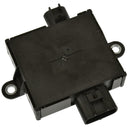
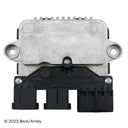


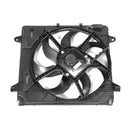

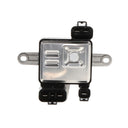
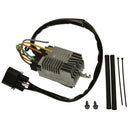
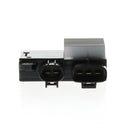


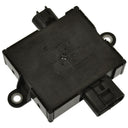


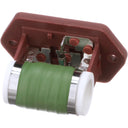
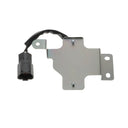
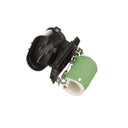


Engine cooling fan modules and cooling control modules are the electronic brains behind your radiator and condenser fan operation. The fan module interprets signals from coolant temperature sensors, the A/C system, and the ECU to regulate fan speed - in many vehicles replacing the older relay-based setup entirely. When these modules fail, fans may run at full blast, refuse to turn on, or cycle erratically, leading to overheating or compressor damage. Most don't follow a strict mileage interval; they fail from heat cycles, voltage spikes, or corrosion - typically between 80,000–150,000 miles but often earlier in high-heat environments. When shopping, confirm the exact OEM part number or your vehicle's VIN-based fitment - connector pin count, mounting configuration, and speed signal protocol vary significantly across model years, even within the same nameplate. OEM units guarantee a direct fit; quality aftermarket options from brands like Four Seasons or Dorman offer comparable reliability at 30–50% less cost.
Signs you need replacement
- Engine overheating at idle or in stop-and-go traffic - the cooling fan isn't spinning up when coolant temps rise, often because the module has lost the ability to trigger low- or medium-speed operation.
- Cooling fan runs continuously at full speed - a failing module can get stuck in a fail-safe mode that keeps the fan on at 100%, draining the battery and stressing the fan motor unnecessarily.
- A/C blows warm at low speeds or in traffic - the condenser fan relies on the same module in many vehicles; if it's not commanded on during A/C operation, head pressure spikes and cooling performance drops sharply.
- Check engine light with codes P0480, P0481, or P0482 - these fan control circuit codes often point directly to a failed module rather than the fan motor itself; verify with a wiring check before replacing.
- Fan motor whines or pulses unevenly - erratic PWM output from a degraded module can cause the fan to surge or flutter instead of ramping smoothly through speed ranges.
Frequently asked questions
- Is there a replacement interval for cooling fan modules, or do I only replace them when they fail? These are on-demand replacements, not scheduled maintenance items. There's no mileage interval - most last the vehicle's lifetime, but heat exposure and electrical stress are the primary failure drivers. If you're seeing fan-related codes or overheating symptoms and the fan motor itself checks out, the module is the next logical suspect.
- Should I buy OEM or aftermarket for a cooling fan module? For most daily drivers, a quality aftermarket unit from Dorman or Four Seasons performs reliably and costs significantly less than OEM. If your vehicle has a history of module failures or you're driving a high-performance or European model with proprietary fan control logic, OEM is worth the premium to avoid calibration or communication issues with the ECU.
- How difficult is it to replace a cooling fan module, and what else should I replace at the same time? Most cooling fan modules are a straightforward R&R - disconnect the battery, unplug the harness, swap the module. Expect 30–60 minutes for most applications. Parts typically run $40–$180 depending on make and model. While you're in there, inspect the fan wiring harness for chafing or corrosion and check the fan motor; replacing a worn motor alongside the module avoids a repeat job.