
Select your vehicle
Relays


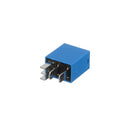


Air and fuel delivery relays are small but critical electrical components that control power to your fuel pump, fuel injectors, choke heater, and related systems. The fuel pump relay is by far the most common failure point - it switches 12V power to the pump every time you cycle the ignition, and heat cycles eventually cause the internal contacts to burn or stick. Cold-start and cold-advance relays are specific to older fuel-injected and carbureted engines, enriching the mixture during warm-up. When shopping, OEM relays are the safe choice for vehicles with known relay-related issues, since they match exact switching load and thermal specs. Aftermarket options from Bosch, Standard Motor Products, and Duralast are generally reliable for most domestic and import applications. Always cross-reference by year, make, model, and engine code - a relay that fits the socket isn't necessarily rated for the same current draw as the original.
Signs you need replacement
- Engine cranks but won't start, or dies immediately after starting. A failed fuel pump relay cuts power to the pump - the engine gets spark but no fuel. You may also notice the pump doesn't prime (the brief 2-second hum) when you first turn the key to ON.
- Intermittent stalling or no-start that clears on its own. Relay contacts that are partially burned will work when cool but drop out under heat. If your car stalls on hot days or after extended driving and restarts fine after sitting 20–30 minutes, the fuel pump relay is a primary suspect.
- Rough cold starts or excessive choke-on time on carbureted engines. A faulty automatic choke heater relay or cold-advance solenoid relay can leave the choke engaged too long, causing rich running, black smoke, and poor fuel economy until the engine fully warms up.
- Check engine light with fuel system or injector circuit codes. DTCs like P0230 (fuel pump primary circuit) or related injection circuit faults often trace back to a failing relay before the pump or injectors themselves are at fault.
- No throttle response or hanging idle on cold startup. A failed throttle lever actuator relay or fast idle valve solenoid relay can prevent the fast-idle mechanism from engaging, resulting in a rough, unstable idle and potential stalling until operating temperature is reached.
Frequently asked questions
- How long do fuel pump relays typically last, and should I replace mine proactively? Most fuel pump relays last 100,000–150,000 miles, but heat-soaked engine bays and frequent short trips accelerate wear. If your vehicle is over 10 years old and you're already replacing the fuel pump, swapping the relay at the same time makes sense - it's a $10–$30 part that can cause a repeat no-start if overlooked.
- Is an OEM relay worth the extra cost over an aftermarket one? For most mainstream applications - Honda, Toyota, GM, Ford - quality aftermarket relays from Bosch or Standard Motor Products are a cost-effective and reliable choice. For vehicles with a documented history of relay-related failures (Mitsubishi Eclipse, older Hondas) or for high-output fuel systems, OEM or a Bosch equivalent is worth the premium to match exact current ratings.
- What's involved in replacing a fuel pump relay, and what else should I check at the same time? Most fuel pump relays are located in the under-hood fuse/relay box and swap out in under five minutes with no tools - cost is typically $10–$40 for the part. While you're there, inspect the relay socket for corrosion or melted plastic, which signals a wiring issue that needs to be addressed before installing a new relay.