
Select your vehicle
Tire
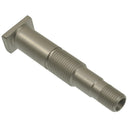


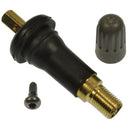
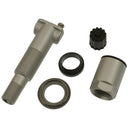
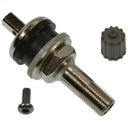
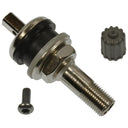
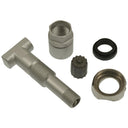


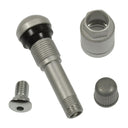
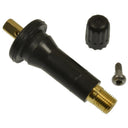
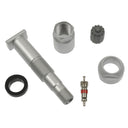
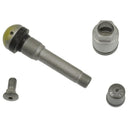
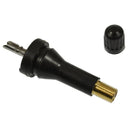
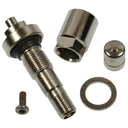
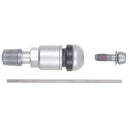
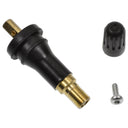
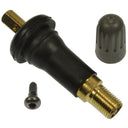
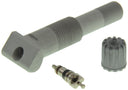


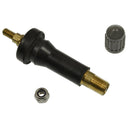
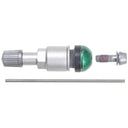
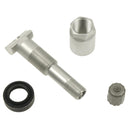
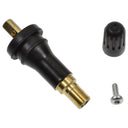
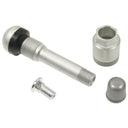
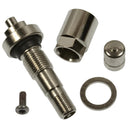
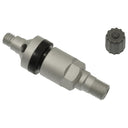
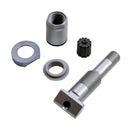
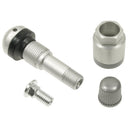
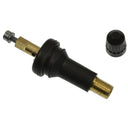
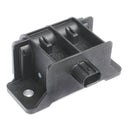
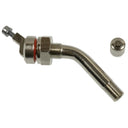

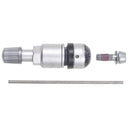
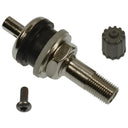
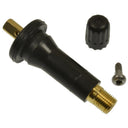
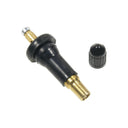
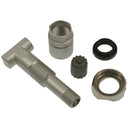
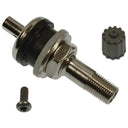


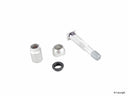

TPMS valve kits, stems, and receivers are the hardware that keeps your tire pressure monitoring system functional. The valve stem is the physical component that threads into your wheel and houses or connects to the TPMS sensor - when it corrodes, cracks, or is damaged during a tire change, the sensor can't maintain a proper seal or transmit accurate pressure data. Most manufacturers recommend replacing TPMS valve stems every time you mount new tires, typically every 40,000–50,000 miles or 5–7 years. TPMS receivers, the module that reads sensor signals, fail less often but can cause system-wide faults. When buying, match by vehicle year, make, and model - many TPMS components are frequency-specific (315 MHz vs. 433 MHz) and wheel-bore dependent. OEM-spec kits from brands like Schrader, ACDelco, and Standard Motor Products offer reliable fitment; universal kits work across a wider range of wheels but require careful spec verification.
Signs you need replacement
- TPMS warning light stays on after inflating tires to spec. If your tires are properly inflated but the dashboard indicator remains lit or blinks, the valve stem or sensor may have failed and is no longer transmitting pressure data to the receiver.
- Visible corrosion or physical damage to the valve stem. Metal clamp-in TPMS stems corrode - especially in regions that use road salt - causing leaks at the base. If you see green or white corrosion buildup, the stem is compromised and should be replaced before the next tire mount.
- Slow leak that isn't in the tire itself. A gradual pressure loss with no puncture present often points to a failing TPMS valve stem seal or a cracked snap-in rubber stem, both of which break down with age and heat cycling.
- TPMS sensor reads incorrectly or inconsistently. If one corner of the vehicle shows wildly different pressure than what's actually in the tire, the valve stem connection to the sensor may be loose, damaged, or corroded internally.
- No sensor signal after a wheel swap or new tire installation. Cross-threaded or overtorqued valve cores during a tire service can damage the stem enough to prevent signal transmission - a new valve kit resolves this before it triggers a system fault.
Frequently asked questions
- Do TPMS valve stems need to be replaced every time I get new tires? Most tire shops and OEM guidelines recommend replacing TPMS valve stems with every tire installation. Rubber snap-in stems degrade in 5–7 years; metal clamp-in stems corrode over time. Since labor is already part of a tire mount, replacing the stems at the same time avoids a separate service call later.
- Are aftermarket TPMS valve kits as reliable as OEM parts? Quality aftermarket kits from Schrader, VDO, or Standard Motor Products meet or exceed OEM specs and are significantly less expensive - typically $5–$15 per stem versus $20–$40 for dealer parts. The critical factors are frequency match (315 or 433 MHz) and correct thread size for your wheel, not the brand name on the package.
- How much does TPMS valve stem replacement cost, and can I do it myself? Parts run $5–$20 per stem; a full set of four is usually $15–$60. The catch is that stems must be replaced with the tire unmounted from the wheel - a job that requires a tire machine. Most DIYers handle this through a shop during a scheduled tire rotation or swap, keeping total labor costs under $20–$40 additional.