
Select your vehicle
Relays


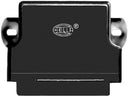


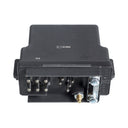


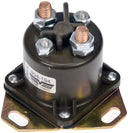


Emission control relays manage the electrical switching for systems that reduce harmful exhaust output - primarily diesel glow plug circuits and secondary air injection (SAI) pumps. The glow plug relay is the most failure-prone: it controls the high-current supply to glow plugs during cold starts, and a failed relay means plugs never heat up, leaving you with hard starts or no-starts in cold weather. SAI relays trigger the air pump that feeds fresh oxygen into the exhaust stream during cold engine warm-up, a federally mandated function on many gas engines from the mid-1990s onward. When buying, confirm the relay's current rating (glow plug relays typically handle 70–150A), voltage specification (12V vs. 24V on heavy-duty diesels), and the number of pins - many BMW, Mercedes, VW, and Audi applications use application-specific relay footprints that don't interchange. OEM units are the safer bet for glow plug relays given the high current demands; quality aftermarket options from Bosch or Standard Motor Products are well-proven for SAI applications.
Signs you need replacement
- Hard starting or no-start in cold weather on a diesel - If the engine cranks but won't fire below 40°F, and glow plugs test good individually, a failed glow plug relay is often the culprit preventing current from reaching the plugs.
- Glow plug indicator light doesn't illuminate on the dash - On vehicles with a glow plug indicator relay, a missing or stuck-on dashboard coil symbol points directly to that relay rather than the plugs or controller.
- Check engine light with SAI-related codes (P0410, P0411, P0412) - These codes flag secondary air injection faults; before replacing the pump itself, test the SAI relay, which is a far cheaper fix at $15–$45.
- Relay clicks but glow plugs don't heat - Audible click confirms the relay coil is energizing, but resistance or burned contacts inside the relay are blocking the high-current circuit to the plugs.
- Relay runs hot or shows visible burn marks - Glow plug relays that feel excessively hot to the touch or show melted plastic are failing under load and should be replaced before they cause wiring harness damage.
- Excessive white smoke on cold diesel start that clears as the engine warms - Unburned fuel from improperly heated cylinders produces white smoke; if it's isolated to cold starts, trace it to the glow plug circuit, starting with the relay.
Frequently asked questions
- How long do glow plug relays typically last, and should they be replaced with the glow plugs? Glow plug relays don't have a fixed service interval, but they're often stressed when glow plugs begin to draw abnormal current as they age. Replacing the relay when you do a glow plug service - typically every 60,000–100,000 miles on modern diesels - is cheap insurance and takes less than 10 minutes.
- Is OEM worth the price premium over aftermarket for a glow plug relay? For high-current glow plug relays on European diesels (BMW 3.0d, VW TDI, Mercedes OM642), OEM or Bosch-sourced units are worth the extra $20–$40 - contact quality and current ratings are better documented. For SAI relays, Standard Motor Products or Bosch aftermarket units are reliable and cost roughly half the dealer price.
- What does a glow plug relay replacement cost, and is it a DIY job? Parts run $15–$80 depending on application; dealer labor adds $50–$120 if the relay is tucked in the fuse box. Most glow plug relays are fuse-box-mounted or firewall-mounted with a single connector - straightforward for any DIYer with a test light and a socket set. Always disconnect the battery before swapping a high-current relay.