
Select your vehicle
Steering, Gear and Related Components
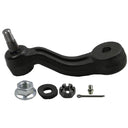

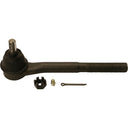
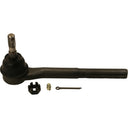


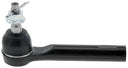
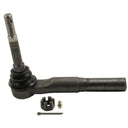




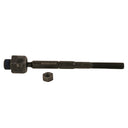


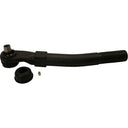




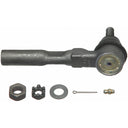

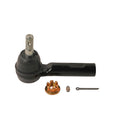


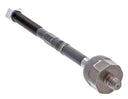



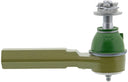


Steering gear and linkage components translate your input at the wheel into directional movement at the tires. This category covers the full mechanical chain: rack and pinion assemblies, tie rod ends, pitman arms, idler arms, center links, drag links, steering knuckles, and the shafts and couplings connecting them. Tie rod ends are the highest-wear item in the group - expect to replace them every 50,000–100,000 miles depending on road conditions and vehicle load. Rack and pinion units typically last 100,000–150,000 miles but fail sooner on vehicles driven on rough terrain or with deferred fluid service. When buying, verify fitment by submodel and drivetrain (2WD vs. 4WD configurations often use different knuckles and linkage geometry). OEM parts guarantee exact tolerances; quality aftermarket brands like Moog, TRW, and ACDelco offer comparable performance at lower cost with lifetime warranties on many tie rod and linkage parts.
Signs you need replacement
- Loose or wandering steering: If your vehicle drifts or requires constant correction on straight roads, worn tie rod ends, a loose idler arm, or excessive rack and pinion play are common causes - not just an alignment issue.
- Clunking or knocking over bumps: A metallic knock from the front end when hitting potholes or dips often points to worn tie rod ends, a failing pitman arm, or loose steering shaft joints rather than suspension.
- Steering wheel vibration at highway speed: Play or looseness in tie rod ends or the center link can cause shimmy that worsens with speed and won't be resolved by wheel balancing alone.
- Power steering fluid leaking near the rack: Wet or oily buildup around the rack housing, bellows, or hydraulic transfer lines signals seal failure - torn bellows accelerate this by letting in dirt and moisture.
- Uneven or rapid tire wear on the front axle: Inner or outer edge wear that reappears after alignment is often caused by a bent steering knuckle or worn tie rod ends shifting toe angle under load.
- Stiff or binding steering that worsens when turning lock-to-lock: Binding in a rack and pinion assembly or a seized steering shaft universal joint creates inconsistent effort and is a safety concern, not just a comfort issue.
Frequently asked questions
- How often should tie rod ends be replaced, and do both sides need to come off at once? Tie rod ends don't have a fixed interval, but most need replacement between 50,000 and 100,000 miles. If one side has measurable play, inspect the other - it's usually at similar wear. Replacing both at once saves labor and ensures consistent steering geometry when you realign.
- Is an aftermarket rack and pinion assembly reliable, or should I stick with OEM? Reputable aftermarket racks from brands like Maval, A1 Cardone, or TRW are reliable for most daily drivers and cost $150–$500 less than OEM. For performance vehicles, trucks with frequent towing, or applications where hydraulic pressure specs are tight, OEM or a remanufactured OEM-spec unit is the safer choice.
- What else should I replace when doing a rack and pinion or tie rod job? When replacing a rack and pinion, install a new bellows kit and fresh power steering fluid at the same time - reusing torn or brittle boots accelerates seal wear. For tie rod end work, always schedule an alignment immediately after. On older linkage systems (pitman arm, idler arm, center link), replace all three together since wear is typically concurrent.