
Find parts in 3 steps
Automatic Transmission Components
| Image | Title | Brand | Part # | Position | Availability | Actions | Image | Product | ||
|---|---|---|---|---|---|---|---|---|---|---|
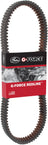 |
Automatic Continuously Variable Transmission (CVT) Belt
|

|
49R4313 | - | $153.82 | In Stock | |
Automatic Continuously Variable Transmission (CVT) Belt
49R4313
|
$153.82 | |
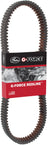 |
Automatic Continuously Variable Transmission (CVT) Belt
|
|
49R4266 | - | $146.46 | In Stock | |
Automatic Continuously Variable Transmission (CVT) Belt
49R4266
|
$146.46 | |
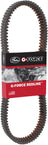 |
Automatic Continuously Variable Transmission (CVT) Belt
|
|
48R4867 | - | $139.39 | In Stock | |
Automatic Continuously Variable Transmission (CVT) Belt
48R4867
|
$139.39 | |
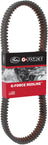 |
Automatic Continuously Variable Transmission (CVT) Belt
|
|
48R4246 | - | $109.98 | In Stock | |
Automatic Continuously Variable Transmission (CVT) Belt
48R4246
|
$109.98 | |
 |
Automatic Continuously Variable Transmission (CVT) Belt
|
|
48G4289 | - | $132.59 | In Stock | |
Automatic Continuously Variable Transmission (CVT) Belt
48G4289
|
$132.59 | |
 |
Automatic Continuously Variable Transmission (CVT) Belt
|
|
47R4572 | - | $115.97 | In Stock | |
Automatic Continuously Variable Transmission (CVT) Belt
47R4572
|
$115.97 | |
 |
Automatic Continuously Variable Transmission (CVT) Belt
|
|
47R4368 | - | $185.04 | In Stock | |
Automatic Continuously Variable Transmission (CVT) Belt
47R4368
|
$185.04 | |
 |
Automatic Continuously Variable Transmission (CVT) Belt
|
|
46R5289 | - | $115.18 | In Stock | |
Automatic Continuously Variable Transmission (CVT) Belt
46R5289
|
$115.18 | |
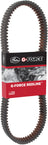 |
Automatic Continuously Variable Transmission (CVT) Belt
|
|
46R4573 | - | $148.62 | In Stock | |
Automatic Continuously Variable Transmission (CVT) Belt
46R4573
|
$148.62 | |
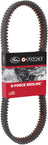 |
Automatic Continuously Variable Transmission (CVT) Belt
|
|
42R4474 | - | $92.68 | In Stock | |
Automatic Continuously Variable Transmission (CVT) Belt
42R4474
|
$92.68 | |
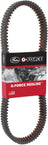 |
Automatic Continuously Variable Transmission (CVT) Belt
|
|
42R4266 | - | $110.29 | In Stock | |
Automatic Continuously Variable Transmission (CVT) Belt
42R4266
|
$110.29 | |
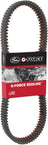 |
Automatic Continuously Variable Transmission (CVT) Belt
|
|
41R4514 | - | $97.92 | In Stock | |
Automatic Continuously Variable Transmission (CVT) Belt
41R4514
|
$97.92 | |
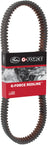 |
Automatic Continuously Variable Transmission (CVT) Belt
|
|
41R4313 | - | $137.99 | In Stock | |
Automatic Continuously Variable Transmission (CVT) Belt
41R4313
|
$137.99 | |
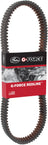 |
Automatic Continuously Variable Transmission (CVT) Belt
|
|
40R4340 | - | $102.43 | In Stock | |
Automatic Continuously Variable Transmission (CVT) Belt
40R4340
|
$102.43 | |
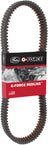 |
Automatic Continuously Variable Transmission (CVT) Belt
|
|
40R4313 | - | $93.40 | In Stock | |
Automatic Continuously Variable Transmission (CVT) Belt
40R4313
|
$93.40 | |
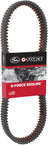 |
Automatic Continuously Variable Transmission (CVT) Belt
|
|
40R3691 | - | $163.86 | In Stock | |
Automatic Continuously Variable Transmission (CVT) Belt
40R3691
|
$163.86 | |
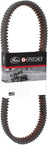 |
Automatic Continuously Variable Transmission (CVT) Belt
|
|
37G4604 | - | $103.91 | In Stock | |
Automatic Continuously Variable Transmission (CVT) Belt
37G4604
|
$103.91 | |
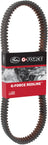 |
Automatic Continuously Variable Transmission (CVT) Belt
|
|
36R4368 | - | $170.16 | In Stock | |
Automatic Continuously Variable Transmission (CVT) Belt
36R4368
|
$170.16 | |
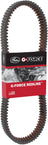 |
Automatic Continuously Variable Transmission (CVT) Belt
|
|
31R4573 | - | $106.60 | In Stock | |
Automatic Continuously Variable Transmission (CVT) Belt
31R4573
|
$106.60 | |
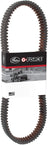 |
Automatic Continuously Variable Transmission (CVT) Belt
|
|
30G3596 | - | $93.33 | In Stock | |
Automatic Continuously Variable Transmission (CVT) Belt
30G3596
|
$93.33 | |
 |
Automatic Continuously Variable Transmission (CVT) Belt
|
|
29G3627 | - | $65.14 | In Stock | |
Automatic Continuously Variable Transmission (CVT) Belt
29G3627
|
$65.14 | |
 |
Automatic Continuously Variable Transmission (CVT) Belt
|
|
28R3636 | - | $118.41 | In Stock | |
Automatic Continuously Variable Transmission (CVT) Belt
28R3636
|
$118.41 | |
 |
Automatic Continuously Variable Transmission (CVT) Belt
|
|
28G3982 | - | $91.83 | In Stock | |
Automatic Continuously Variable Transmission (CVT) Belt
28G3982
|
$91.83 | |
 |
Automatic Continuously Variable Transmission (CVT) Belt
|
|
27G4006 | - | $72.61 | In Stock | |
Automatic Continuously Variable Transmission (CVT) Belt
27G4006
|
$72.61 | |
 |
Automatic Continuously Variable Transmission (CVT) Belt
|
|
26R4140 | - | $148.53 | In Stock | |
Automatic Continuously Variable Transmission (CVT) Belt
26R4140
|
$148.53 | |
 |
Automatic Continuously Variable Transmission (CVT) Belt
|
|
25R4108 | - | $112.15 | In Stock | |
Automatic Continuously Variable Transmission (CVT) Belt
25R4108
|
$112.15 | |
 |
Automatic Continuously Variable Transmission (CVT) Belt
|
|
25G3750 | - | $68.66 | In Stock | |
Automatic Continuously Variable Transmission (CVT) Belt
25G3750
|
$68.66 | |
 |
Automatic Continuously Variable Transmission (CVT) Belt
|
|
23R4340 | - | $71.90 | In Stock | |
Automatic Continuously Variable Transmission (CVT) Belt
23R4340
|
$71.90 | |
 |
Automatic Continuously Variable Transmission (CVT) Belt
|
|
21R4140 | - | $148.53 | In Stock | |
Automatic Continuously Variable Transmission (CVT) Belt
21R4140
|
$148.53 | |
 |
Automatic Continuously Variable Transmission (CVT) Belt
|
|
21G4289 | - | $60.94 | In Stock | |
Automatic Continuously Variable Transmission (CVT) Belt
21G4289
|
$60.94 | |
 |
Automatic Transmission CoverVAICO
|

|
V48-0524 | - | $635.93 | In Stock | |
Automatic Transmission Cover
VAICOV48-0524
|
$635.93 | |
 |
Automatic Transmission Shift Lever
|

|
GM1218594 | - | $74.82 | In Stock | |
Automatic Transmission Shift Lever
GM1218594
|
$74.82 | |
 |
Automatic Continuously Variable Transmission (CVT) Belt
|
|
93G3499 | - | $83.24 | In Stock | |
Automatic Continuously Variable Transmission (CVT) Belt
93G3499
|
$83.24 | |
 |
Automatic Continuously Variable Transmission (CVT) Belt
|
|
29G4573 | - | $78.82 | In Stock | |
Automatic Continuously Variable Transmission (CVT) Belt
29G4573
|
$78.82 | |
 |
Automatic Transmission Pressure Sensor Transducer
|

|
GPS102 | - | $78.42 | In Stock | |
Automatic Transmission Pressure Sensor Transducer
GPS102
|
$78.42 | |
 |
Automatic Transmission Shift Tube Bushing
|

|
905-103 | - | $87.96 | In Stock | |
Automatic Transmission Shift Tube Bushing
905-103
|
$87.96 | |
 |
Automatic Continuously Variable Transmission (CVT) Belt
|
|
18G4313 | - | $119.00 | In Stock | |
Automatic Continuously Variable Transmission (CVT) Belt
18G4313
|
$119.00 | |
 |
Automatic Continuously Variable Transmission (CVT) Belt
|

|
XTX5039 | - | $202.67 | In Stock | |
Automatic Continuously Variable Transmission (CVT) Belt
XTX5039
|
$202.67 | |
 |
Automatic Continuously Variable Transmission (CVT) Belt
|
|
XTX5038 | - | $202.67 | In Stock | |
Automatic Continuously Variable Transmission (CVT) Belt
XTX5038
|
$202.67 | |
 |
Automatic Continuously Variable Transmission (CVT) Belt
|
|
XTX5025 | - | $202.67 | In Stock | |
Automatic Continuously Variable Transmission (CVT) Belt
XTX5025
|
$202.67 | |
 |
Automatic Continuously Variable Transmission (CVT) Belt
|
|
XTX5019 | - | $202.67 | In Stock | |
Automatic Continuously Variable Transmission (CVT) Belt
XTX5019
|
$202.67 | |
 |
Automatic Continuously Variable Transmission (CVT) Belt
|
|
XTX2256 | - | $184.72 | In Stock | |
Automatic Continuously Variable Transmission (CVT) Belt
XTX2256
|
$184.72 | |
 |
Automatic Continuously Variable Transmission (CVT) Belt
|
|
XTX2254 | - | $184.72 | In Stock | |
Automatic Continuously Variable Transmission (CVT) Belt
XTX2254
|
$184.72 | |
 |
Automatic Continuously Variable Transmission (CVT) Belt
|
|
XTX2251 | - | $184.72 | In Stock | |
Automatic Continuously Variable Transmission (CVT) Belt
XTX2251
|
$184.72 | |
 |
Automatic Continuously Variable Transmission (CVT) Belt
|
|
XTX2247 | - | $184.72 | In Stock | |
Automatic Continuously Variable Transmission (CVT) Belt
XTX2247
|
$184.72 | |
 |
Automatic Continuously Variable Transmission (CVT) Belt
|
|
XTX2205 | - | $184.72 | In Stock | |
Automatic Continuously Variable Transmission (CVT) Belt
XTX2205
|
$184.72 | |
 |
Automatic Continuously Variable Transmission (CVT) Belt
|
|
HPX5025 | - | $130.88 | In Stock | |
Automatic Continuously Variable Transmission (CVT) Belt
HPX5025
|
$130.88 | |
 |
Automatic Continuously Variable Transmission (CVT) Belt
|
|
HPX5014 | - | $130.88 | In Stock | |
Automatic Continuously Variable Transmission (CVT) Belt
HPX5014
|
$130.88 |
More Information
Automatic transmission components cover the internal and external hardware that controls shift timing, line pressure, gear selection, and electrical communication between your transmission and ECU. The parts in this collection span vacuum modulators, shift levers and linkages, solenoid kits, pressure sensors, wiring harnesses, and kickdown cables — most of which are found on older domestic and import vehicles from the 1960s through early 2000s. Vacuum modulators are the most common failure point: a cracked diaphragm causes rough or early shifts and can pull transmission fluid into the intake. Solenoids and pressure transducers are more relevant to late-model electronically controlled units. When buying, match the part to your specific transmission code (e.g., TH350, 4L60E, A4LD), not just the vehicle year and model — the same car was often offered with multiple transmission options. OEM-spec replacements are the safer call for solenoids and pressure sensors; vacuum modulators are widely available in quality aftermarket.
Signs you need replacement
- Harsh, erratic, or early/late shifts — A failing vacuum modulator or worn shift linkage is often the cause. If the transmission hunts between gears or bangs into shifts that used to be smooth, these components should be among the first things checked.
- Transmission fluid in the intake manifold or excessive black smoke at startup — A ruptured vacuum modulator diaphragm draws ATF through the vacuum line directly into the engine. You may also notice a sweet-burning smell or a dropping fluid level with no external leak.
- Difficulty moving the selector through gears or a sloppy, imprecise shifter feel — Worn or cracked shift tubes, loose lever assemblies, or a broken shift interlock latch can make it hard to select the correct gear and may prevent the key from releasing properly in park.
- Transmission warning light with shift-related fault codes (P0750–P0770 range) — These codes point directly to shift solenoid circuit faults. A failed solenoid or damaged wiring harness connector will trigger limp mode, locking the transmission in second or third gear.
- No kickdown or sluggish wide-open-throttle downshifts — A stretched, frayed, or misadjusted kickdown cable prevents the transmission from dropping into a lower gear under hard acceleration, reducing passing power and causing excessive slipping at the shift point.
- Gear selector button sticks, won't depress, or shifter won't come out of park — The shift lever button, button cover, or park release link are typically the culprit. This is often an inexpensive fix but becomes a safety and daily-use issue if left unaddressed.
Frequently asked questions
- How do I know which vacuum modulator fits my transmission? Vacuum modulators are specific to the transmission model, not just the vehicle. Identify your transmission (check the pan shape, ID tag, or door jamb sticker) and note the vacuum port thread size and adjustment type — some are fixed, others have a slotted adjuster screw for line pressure tuning. Always confirm the part number cross-reference before ordering.
- Are aftermarket solenoid kits as reliable as OEM for the 4L60E or similar units? Quality varies significantly. Reputable brands like Dorman, Standard Motor Products, and Sonnax produce solenoids that meet or exceed OEM specs for most popular transmission families. Avoid unbranded kits for electronically controlled units — solenoid response time and resistance values need to fall within tight tolerances or shift quality and fault codes will return quickly.
- Is replacing a vacuum modulator a DIY job, and what else should I replace at the same time? Yes — most vacuum modulators are accessible with basic hand tools and take under 30 minutes. While you're in there, replace the vacuum line running to the modulator (they harden and crack with age) and inspect the modulator mounting port on the transmission case for stripped threads. Expect to spend $15–$50 on the modulator itself depending on the application.